fertility treatment in Ahmedabad

Different Types of Fertility Treatment: A Comprehensive Guide

Becoming a parent is one of life’s most heartfelt dreams. For some, it happens easily. For others, it may take a little more time and the right medical support. When a couple begins exploring fertility care, the amount of information available can feel overwhelming, and that’s completely normal. 

The positive aspect is that there are numerous types of fertility treatments available today, developed to bring couples parenthood with the support of science, empathy, and understanding. From the most advanced fertility treatment options, such as IVF, to less complex treatments designed to encourage or support natural conception, every form of fertility treatment is designed for one reason: to assist couples in their dream of parenthood in a pleasant, individualized, and confident way. 

Across India, knowledgeable fertility specialists, including practitioners serving IVF treatment in Ahmedabad, are here to assist, facilitate, and support every step of the journey, while doing their best to make every moment feel easy rather than stressful.

Understanding Fertility Care: Where Science Meets Sensitivity 

Fertility care goes beyond simply treating someone medically; it’s about knowing the person, the emotions, and the timing. Every couple’s fertility journey is unique, as are their needs. 

That’s why specialists begin with straightforward discussions and then engage in some basic investigations to find out where things stand. Sometimes, it’s as simple as monitoring ovulation or correcting hormone levels. Sometimes, more intricate treatment options may be suggested; this is completely acceptable. The goal is not to rush the process, but to navigate each couple through options that match their journey, lifestyle, and comfort level.

Bonus ReadReady for Your First IVF Consultation? Here’s What to Know

(1) Ovulation Induction and Hormonal Support

Many couples are surprised that one of the most common reasons for trouble conceiving is having irregular ovulation. In cases of irregular ovulation, ovulation induction is often the first and most straightforward step taken, using delicate medications to encourage the production of regular eggs. 

This treatment helps regulate the body’s natural rhythm and boosts the chances of being able to get pregnant. Sometimes, doctors may suggest hormonal therapy for couples who have irregular exposures to reproductive hormones affecting their fertility. 

It’s a very gentle and effective way to give nature a little boost of help, particularly suited for couples who are just beginning their attempt to conceive.

(2) Intrauterine Insemination (IUI): The Supportive First Step

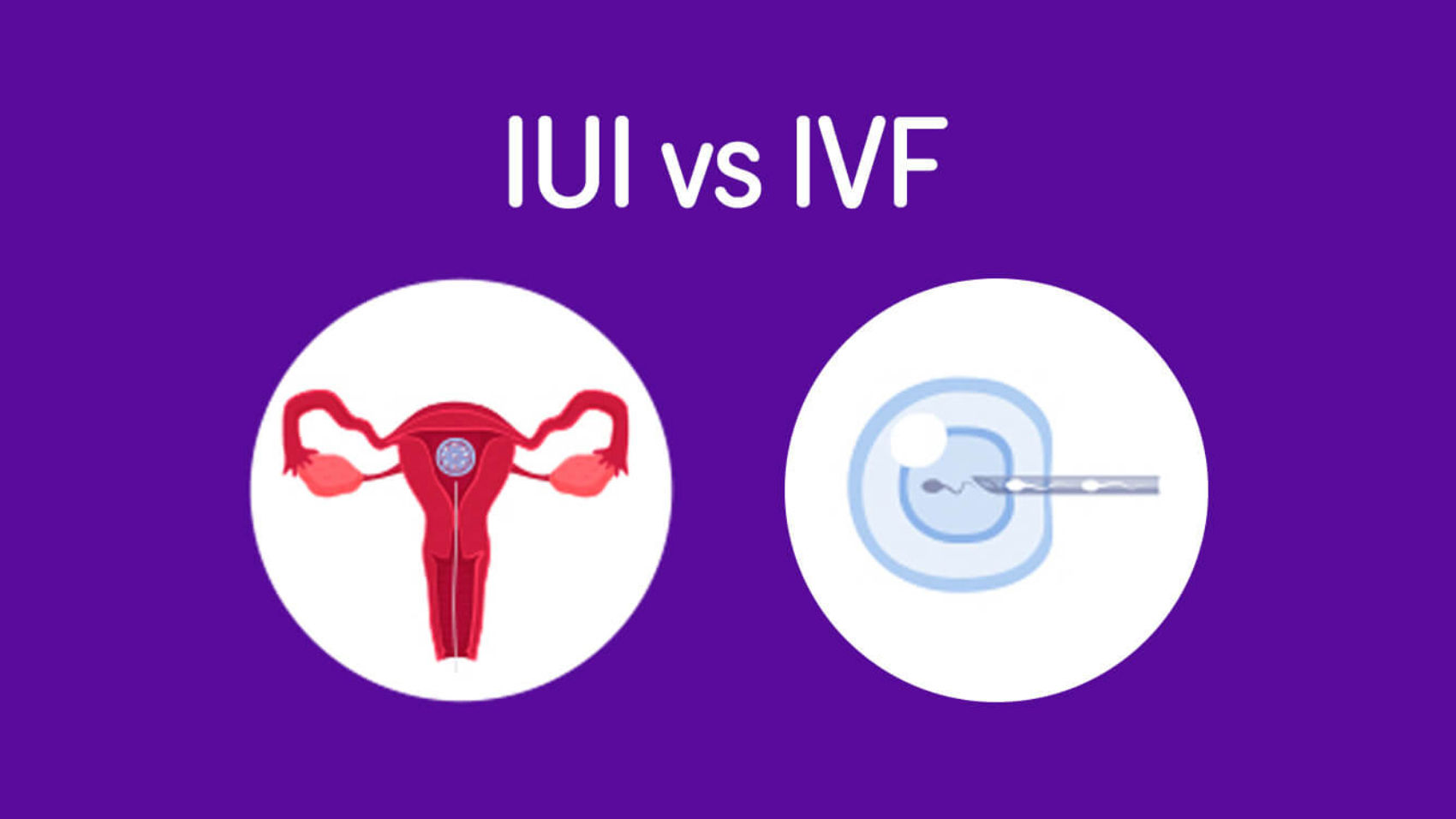
IUI is another common fertility treatment that involves having sperm specially treated outside the body and then placed directly into the uterus at the time of ovulation. 

This procedure is simple, swift, and painless, frequently taking only a matter of minutes at the clinic. For many couples, IUI represents their first positive step toward pregnancy, especially where there are mild concerns allowing sperm or related to ovulation. 

It’s a procedure that blends science with sensitivity, offering hope without heavy intervention.

(3) In Vitro Fertilization (IVF): The Most Recognized Fertility Treatment

When simpler methods don’t bring results, doctors may suggest IVF, a process where eggs and sperm are combined in a lab to create embryos that are then placed into the uterus. 

IVF has come a long way, especially with the introduction of advanced IVF treatment in Ahmedabad that uses modern technologies like embryo monitoring, AI-assisted embryo selection, and advanced genetic testing. These innovations increase accuracy and make the process smoother and more reassuring. 

At a well-founded IVF hospital in Surat, couples are supported throughout the entire journey, from reviewing test results to sharing every small bit of progress. The goal is to make IVF feel like a partnership between the doctor and the patient, with a strong foundation of communication and care.

(4) Egg Freezing Treatment: An Empowerment for Reproductive Choice

One of the most gratifying advances in modern fertility medicine is egg freezing treatment. Egg freezing treatment allows a woman to preserve her healthy eggs for use in the future, a treatment option increasingly chosen by women who want to pursue personal, health and/or professional goals before starting a family. 

The egg freezing procedure involves ovarian stimulation, egg retrieval, and freezing of the eggs using a method known as vitrification, ensuring they remain in excellent condition until needed. 

It’s a remarkable step forward for reproductive independence. For many women, egg freezing provides reassurance, a quiet confidence that their possibilities for motherhood remain open and secure, no matter what life’s timing looks like.

(5) Embryo and Genetic Testing: Healthy and Safe

Modern fertility care is a balance of assisted reproductive technologies and a safe delivery process for couples. Advanced embryo screening and preimplantation genetic testing (PGT), and other variants of embryo testing modalities, can be performed in conjunction with IVF, to give couples confidence in their embryo health before embryo transfer. 

This can increase success rates and improve parents’ experience of a healthier pregnancy. 

The technology is not complicated, even when offered in the prominent IVF hospitals in Surat and IVF treatment centres in Ahmedabad. These tests can help provide ease of mind.

Additional ReadCan Genetics Affect Male Fertility? Know the Truth

(6) Integration of Lifestyle and Mental Well-Being

Fertility is not just a medical matter; it includes one’s emotional and physical well-being. Fertility specialists often promote a balance of nutrition, sleep, and emotional tranquillity as part of a whole-body treatment approach. 

Many centres now incorporate counselling and stress management programs, or advice as part of a fertility treatment plan; the combination of the small but important health behaviours allows couples to experience a clearer and confident approach to pregnancy. 

As a reminder, fertility care isn’t about “fixing” something; it is about providing support to work in the body and mind, together.

contact us

(7) Understanding IVF Treatment Cost in Ahmedabad

For many couples, understanding costs is an important part of planning. The IVF treatment cost in Ahmedabad can vary depending on factors such as the type of procedure, technology used, and individual medical requirements. 

Typically, a single IVF cycle may range between ₹1,20,000 and ₹2,50,000. However, clinics that focus on patient-first care ensure transparency at every step. 

Reputed centres believe in explaining costs clearly and offering flexible financial options when needed, ensuring that quality care remains accessible and stress-free. 

It’s never about just numbers; it’s about ensuring value, comfort, and confidence throughout the journey.

(8) Choosing the Right Fertility Expert

The experience of a fertility specialist can make a significant difference. An experienced IVF specialist in Ahmedabad doesn’t just rely on technology; they rely on understanding people. 

From the very first consultation, the best experts listen more than they speak. They focus on comfort, trust, and progress, not just procedures. A good specialist ensures every patient feels supported, emotionally, physically, and mentally. 

Choosing the right expert means finding someone who understands not only the science of fertility but also the emotions that come with it.

Conclusion 

Understanding the different types of fertility treatments gives couples the clarity and confidence they need to move forward. Whether it’s ovulation induction, IUI, IVF, or egg freezing treatment, every option represents a possibility, one supported by science, experience, and empathy. 

At Banker IVF and other reputed IVF hospitals in Surat or fertility centres in Ahmedabad, specialists aim to bring hope gently, helping couples take informed steps toward their dream of parenthood.

Secondary Fertility

Understanding Secondary Fertility: A Comprehensive Guide

Becoming a parent can be a beautiful and joyous experience for many couples. Yet when couples face difficulties conceiving a second child, it can leave them feeling silently confused, especially if they have never dealt with challenges before. These are secondary fertility issues, and they arise more often than one may think. With a compassionate perspective, this guide provides an overview of secondary fertility, compassion, science and reassurance. 

In the modern era of new technologies, such as egg-fertility treatments and advancements in IVF, parenthood is still a possibility, even in unexpected ways.

What is Secondary Fertility? 

Secondary fertility indicates a challenge in conceiving or carrying a pregnancy after previously having an uncomplicated birth. This challenge can feel emotionally complicated in a way that primary infertility, the inability to conceive after trying for a year or more cannot bear. Many couples find themselves asking, “Why does this have to be now?” 

The reality is that the body, lifestyle, and even emotional rhythms evolve over time. Understanding these changes forms the foundation of finding solutions.

Bonus ReadTop Questions to Ask About Immune Fertility Tests & Therapies

Why Does Secondary Fertility Occur? 

There isn’t one single reason. Fertility is a delicate balance influenced by biological, emotional, and environmental factors.
Below are some insightful perspectives that fertility experts often discuss with their patients: 

Contributing Factor  Possible Explanation 
Age & Ovarian Reserve  Egg count and quality naturally decline with time, affecting conception chances. 
Hormonal Shifts  Hormonal irregularities can alter ovulation cycles even in those who previously conceived easily. 
Previous Pregnancy Complications  Conditions like postpartum infections or C-section scarring can influence later fertility. 
Lifestyle & Stress  High stress, sleep deprivation, and weight fluctuations may subtly impact reproductive health. 
Male Factor  Sperm count or motility can change over time due to health or environmental reasons. 

 The Role of Age in Fertility 

One of the most significant aspects of secondary fertility is fertility in women by age. Even a few years’ difference between pregnancies can change reproductive health. 

  • Women in their 20s usually have a higher number of healthy eggs and a more predictable ovulation cycle. 
  • A slight decline begins in the early 30s, but conception remains likely with minimal assistance. 
  • After 35 years of age, both egg count and quality begin to decline more sharply, meaning that conception may take longer. 

Nonetheless, these are not barriers, just biological timelines. With advanced IVF technology and fertility preservation techniques such as egg or embryo freezing, women can choose to plan their family when it is right for them.

Modern Approaches to Managing Secondary Fertility 

Secondary fertility management is never a one-size-fits-all process. The approach depends on identifying what has changed since the first pregnancy. Fertility experts begin with a comprehensive evaluation that may include: 

  • Hormonal profiling and assessment of the ovarian reserve 
  • Ultrasound imaging and assessment of the fallopian tubes 
  • Semen assessments for male partners 
  • Evaluations of lifestyle and stress factors 

When the cause is understood, a personalized treatment guide can be developed. A few of the most commonly used strategies include:

(1) Targeted Ovulation Support

Medicines can help support a healthy ovulation process, ensuring the release of quality eggs on time for conception.

(2) Advanced Fertility Procedures

When natural barriers exist, methods such as IUI (Intrauterine Insemination) and IVF (In-Vitro Fertilization) can be utilized. Advanced IVF methods such as time-lapse imaging and AI-assisted embryo selection aim to improve accuracy and success rates.

(3) Customized Egg Fertility Treatment

With concerns over egg health and ovarian reserve, egg fertility treatments are introduced. This could include hormonal treatment, nutrition education, or sometimes assisted reproductive processes to improve egg health.

(4) Holistic Fertility Wellness

Nutrition, mental well-being, and mindful practices are now integral to fertility care. Doctors emphasize balance over perfection, because emotional calmness often contributes as much to fertility as medical care does.

Choosing the Right Expert and Centre 

For couples seeking clarity and confidence, the right clinic and specialist matter.
An experienced IVF specialist in Ahmedabad or a reputed IVF centre in Surat can provide both medical guidance and emotional support throughout the process. 

When choosing a fertility centre, consider these aspects: 

  • Experience and Expertise
    Specialists with years of hands-on fertility experience bring deeper insights into complex cases. 
  • Technology and Facilities
    Look for centres equipped with cutting-edge labs and advanced embryo monitoring systems. 
  • Transparency
    Reliable centres offer clarity regarding treatment timelines, outcomes, and the IVF treatment cost in India. 
  • Personalized Attention
    Compassionate care transforms clinical treatment into a healing experience.

Know MorePrivate vs Government IVF Centers in Ahmedabad: A Complete Guide

Understanding the IVF Treatment Cost in India 

For couples considering assisted reproductive treatments, understanding cost transparency is essential. The IVF treatment cost in India varies depending on the city, the technology used, and individual requirements. On average, a standard IVF cycle may range between ₹1,20,000 and ₹2,50,000. 

However, it’s important to focus on value over numbers. Advanced technologies, such as embryo culture systems or preimplantation genetic testing, can improve success rates, making the overall process more efficient and reassuring. 

Most trusted fertility centres provide flexible packages or counselling support to ensure that financial concerns never stand in the way of parenthood.

Emotional Dimensions of Secondary Fertility 

While the science of fertility is evolving beautifully, emotions often need equal care. Many couples experience feelings of guilt, frustration, or self-doubt when they cannot conceive again easily. 

Experts often encourage open communication between partners and with medical professionals. Support groups, counselling, and mindfulness sessions can make this journey lighter and more hopeful. 

Remember, needing help the second time does not mean something is “wrong.” It simply means your body and life have evolved, and medical care can gently guide you back toward your dream of growing your family.

Additional ReadHow to Make IVF Conversations Easier with Loved Ones

The Hope in Modern Fertility Care 

Every couple’s fertility story is unique, and so are its solutions. Whether it’s a focused egg fertility treatment, cutting-edge technology, or compassionate counselling, today’s fertility care is built around hope and science working together. 

From an IVF centre in Surat offering individualized protocols to an IVF specialist in Ahmedabad guiding couples with advanced diagnostics, the emphasis remains the same: empathy, precision, and progress. 

Modern reproductive medicine doesn’t just help couples conceive; it helps them rediscover confidence, patience, and the beauty of persistence.

Conclusion

Secondary fertility is not a setback; it’s a signal to listen, understand, and adapt. With expert medical guidance and emotional support, the path forward becomes clearer and more fulfilling. 

Through egg fertility treatment and the power of advanced IVF technology, conception is not just a possibility; it’s a renewed promise. Fertility care today is not about overcoming limitations; it’s about enabling dreams, one hopeful step at a time. 

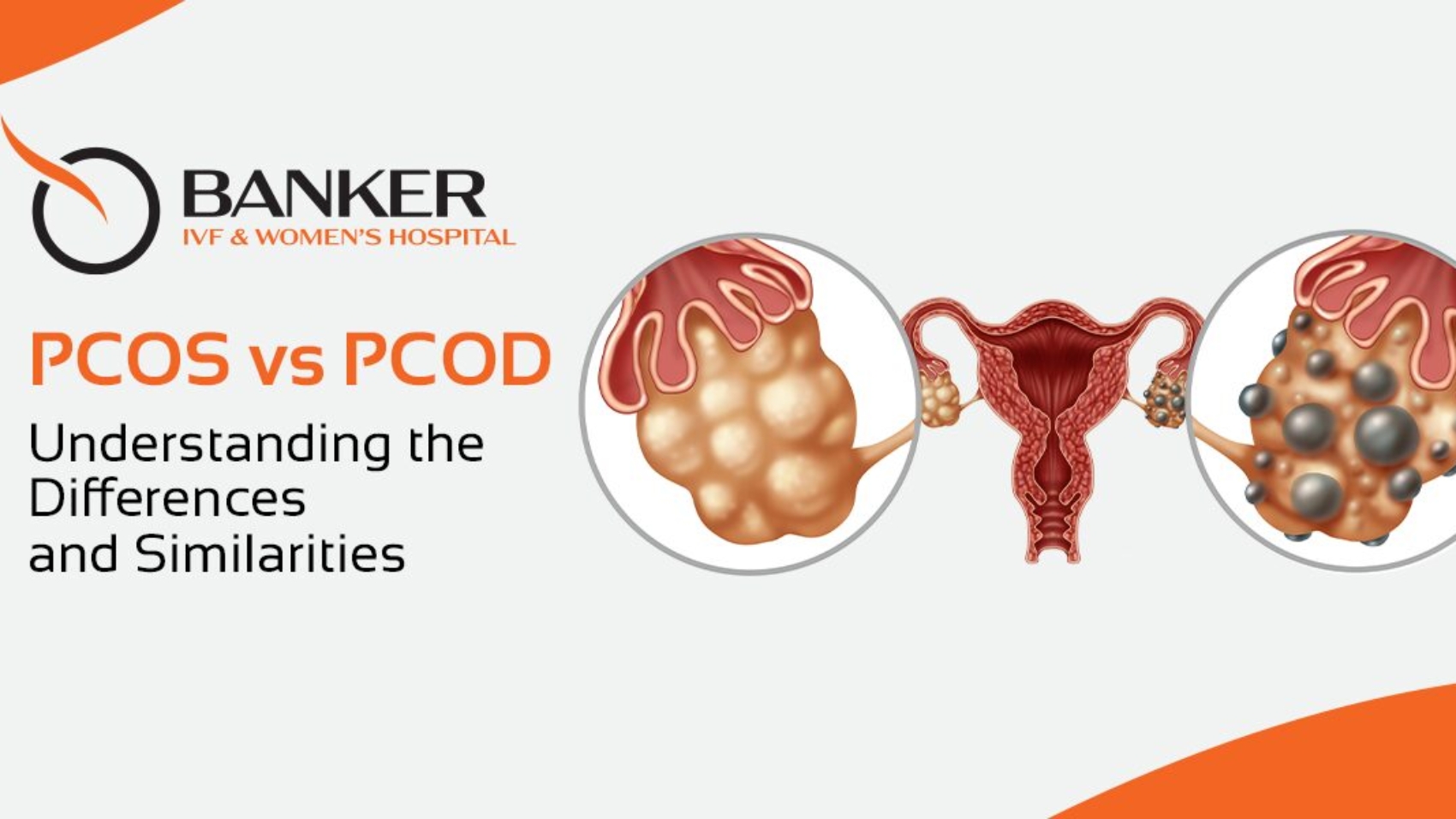
PCOS vs PCOD

PCOS vs PCOD: Understanding the Differences and Similarities

When a woman hears the letters PCOS and PCOD, she usually thinks they are the same. When they both refer to issues with ovaries and hormones, they are not the same, but a modestly different health condition. Understanding the difference between PCOS and PCOD allows a woman to know what steps to take to protect her health, too, especially if she is trying to get pregnant. 

Patients who see fertility specialists throughout India, including the best IVF centre in Ahmedabad, usually get confused about these terms. The confusion is not unreasonable. In both situations, there are cysts in the ovaries and a hormonal imbalance. In the case of PCOD, the hormones can behave differently, the cysts can behave differently, and therefore, they can impact a woman’s health in different ways. 

What Happens in PCOD and PCOS

In a healthy menstrual cycle, the ovaries release one mature egg every month. In some women, this process is disrupted due to hormonal imbalances. 

PCOD (Polycystic Ovarian Disease): The ovaries produce immature eggs, which may accumulate as small cysts. This usually happens because of minor hormonal fluctuations, poor lifestyle habits, or stress.

Know More About PCODUnderstanding PCOD: A Major Cause of Female Infertility

PCOS (Polycystic Ovary Syndrome): This is a more complex condition. It involves higher levels of male hormones (androgens) in the body, leading to missed or delayed periods, acne, excess hair growth, and sometimes difficulty conceiving. 

A senior IVF specialist in Ahmedabad explains it simply: PCOD affects how the ovaries function, while PCOS affects how the entire body regulates hormones and metabolism.

The Key Differences Between PCOS and PCOD

The table below makes it easier to understand how PCOD and PCOS differ in their nature and effect:

Factor   PCOD  PCOS 
Type  A mild condition caused by hormonal imbalance  A more complex metabolic and hormonal disorder 
Ovulation  Occasional irregular ovulation  Ovulation may stop completely for months 
Main Cause  Lifestyle, stress, and diet-related changes  Hormonal and insulin imbalance 
Symptoms  Irregular periods, acne, mild weight gain  Irregular periods, excess facial hair, severe acne, fertility issues 
Fertility Impact   Usually manageable with lifestyle changes  May need medical and fertility support 
Reversibility   Often reversible with proper care  Can be controlled but needs consistent treatment 

How PCOD and PCOS Affect Fertility

Both conditions can affect a woman’s ability to conceive, but the level of impact differs. 

Women with PCOD usually ovulate, though irregularly. With healthy eating, exercise, and stress control, most can conceive naturally. 

In women with PCOS, it’s possible that ovulation may not happen at all, which makes fertilization more difficult and as a result, becoming pregnant is more challenging. With the help of fertility treatment in Ahmedabad, many women overcome this obstacle and become pregnant successfully. Such treatments may include medication to induce ovulation and IVF, and ultimately depend on the individual’s needs. 

At a respected IVF hospital in Ahmedabad, a fertility specialist will monitor the pattern of hormones, assess egg quality and assess any issues with ovulation before recommending any treatments. The specialist’s primary focus is to improve hormonal imbalances and help the woman ovulate as naturally as possible.

Bonus ReadThe Role of AI in Advancing IVF and Fertility Care

Common Symptoms That Should Not Be Ignored

Every woman’s experience is different, but there are a few common signs to watch out for: 

  • Irregular or skipped menstrual cycles 
  • Sudden weight gain or difficulty losing weight 
  • Acne, especially on the face or back 
  • Hair loss or thinning on the scalp 
  • Excess facial or body hair 
  • Fatigue or mood fluctuations 

If these symptoms persist for more than a few months, it’s advisable to consult a gynaecologist or an IVF specialist in Ahmedabad for a proper evaluation. Early diagnosis makes a big difference in how easily the condition can be managed.

Why Early Diagnosis Matters 

Many women delay getting tested because the symptoms seem manageable. However, untreated hormonal issues can affect metabolism, fertility, and even mental well-being in the long run. 

Early identification will assist doctors with individualized care. With appropriate interventions,  whether that be changes to lifestyle, medication or fertility assistance, almost all women can take control of their cycles and pursue a healthy pregnancy. 

The physicians at the leading IVF clinic in Ahmedabad emphasize that awareness is the first step. When women are aware of what is happening in their bodies, they are able to make informed decisions and confidently advocate for themselves.

How Lifestyle Plays a Major Role

Both PCOD and PCOS are influenced by the way the body processes insulin and hormones. Lifestyle habits directly affect this balance. Experts often recommend simple but consistent adjustments that can bring visible results. 

Key changes that help: 

  • Balanced meals rich in fibre and protein 
  • Regular physical activity i.e., daily 30-minute walk 
  • Limiting refined sugar and processed food 
  • Getting 7–8 hours of good quality sleep 
  • Managing stress by practicing mindfulness or relaxation techniques 

These changes are not instant solutions but sustainable habits to gradually improve hormonal balance and improve fertility outcomes. 

Treatment Approaches: From Basic to Advanced 

Treatment depends on whether the goal is to manage symptoms or improve fertility. 

For PCOD:

  • Lifestyle and diet changes are often enough. 
  • Hormonal tablets may be prescribed for cycle regulation. 

For PCOS:

  • Treatment usually involves addressing insulin resistance and hormonal imbalance. 
  • Medications may be combined with fertility support such as ovulation induction. 
  • If natural conception is difficult, assisted methods like IVF can be considered. 

Modern fertility centres, including leading IVF hospitals in Ahmedabad, follow a comprehensive approach, treating both the medical and emotional side of the condition. The focus is not only on helping women conceive but also on improving their overall health and confidence.

Additional ReadUnderstanding Human Fertilization – A Step-by-Step Guide

Emotional and Mental Health Aspect 

Dealing with hormonal conditions can be stressful. Many women feel anxious, especially when facing difficulties with conception or weight changes. Experts always remind patients that these conditions are manageable and not permanent obstacles. 

Support from family, friends, and medical professionals can make a big difference. Fertility clinics today also include counselling and stress management sessions as part of treatment to help women feel emotionally supported.

Positive Outlook with the Right Care 

The good news is that both PCOD and PCOS can be managed effectively. With medical care, consistent follow-ups, and healthy daily routines, women can lead normal lives and conceive naturally or with minimal assistance. 

Fertility experts at the best IVF centre in Ahmedabad see many successful cases every year where patients overcome hormonal issues through simple lifestyle changes and guided treatment. Science and care together are helping women achieve their dreams of parenthood safely and confidently.

Bonus ReadIVF Treatment Cost in India – Know What to Expect

Conclusion

Understanding the PCOS and PCOD difference helps women identify what’s happening in their bodies and seek timely help. Both conditions are common and treatable. The key is early diagnosis, lifestyle awareness, and proper medical support. 

With advanced reproductive care available at leading centres and the guidance of experienced IVF specialists in Surat, women today have every reason to feel hopeful. Whether it’s through lifestyle correction or targeted fertility treatment in Ahmedabad, a healthy, balanced life and a healthy pregnancy are both within reach.

PCOD & Female Fertility

Understanding PCOD: A Major Cause of Female Infertility

When conversations around women’s reproductive health take place, PCOD (Polycystic Ovarian Disease) is often mentioned as one of the most frequent yet misunderstood conditions. While it impacts cycles, hormones, and long-term health, it is also a major factor influencing a woman’s chances of conceiving naturally. Many women often feel uncertain or anxious when they hear the diagnosis. Still, the truth is that with the right guidance and the right female fertility treatment, outcomes can be highly encouraging. 

A fertility expert would say that PCOD does not define a woman’s ability to become a mother – it simply requires an informed, structured, and compassionate approach. The purpose of this blog is to offer meaningful insights, going beyond what’s commonly repeated, and to highlight how real-life management of PCOD can open doors to successful conception. 

What Makes PCOD Different from Other Conditions?

One of the first things a fertility specialist in Ahmedabad often explains is that PCOD isn’t just a reproductive challenge. It is a systemic condition, meaning it affects multiple aspects of health simultaneously – hormonal balance, metabolic functions, and even emotional well-being. This is why its impact on fertility cannot be understood in isolation. 

Unlike other conditions where treatment follows a straightforward line, PCOD requires personalization. Two women with the same diagnosis might need entirely different approaches. For one, regulating ovulation might be the priority, while for another, metabolic support and lifestyle restructuring could be the foundation. That is what makes this condition unique – it teaches both patients and doctors that fertility care has to be deeply individualized.

Bonus ReadImmune Fertility Tests & Treatments: FAQs for Better Planning

PCOD and the Journey of Fertility 

For couples trying to conceive, understanding how PCOD affects ovulation is key. In PCOD, the ovaries may produce eggs irregularly, or in some cases, the eggs may not mature enough for fertilization. This irregularity is what often makes conception a little more challenging. 

However, the misconception is that “PCOD means infertility.” In reality, most women with PCOD can and do conceive – with timely interventions. At a center that provides advanced gynecology care in Ahmedabad, the approach is holistic: 

  • Understanding the woman’s ovulatory patterns 
  • Tracking hormonal fluctuations 
  • Combining lifestyle strategies with medical support 
  • Addressing metabolic health alongside reproductive health 

When these layers are managed together, the road to conception becomes smoother.

Role of Fertility Experts in PCOD Care 

When it comes to PCOD and fertility planning, the contributions of a fertility specialist cannot be overemphasized. Unlike generalized information available on the internet, a fertility doctor will contribute to your decision-making with clinical excellence. The doctor’s job is not just to prescribe medication – it is to co-create the treatment plan, engaging knowledge, compassion, and science. 

A fertility doctor contributes to the care in some key ways: 

  • Early Identification & Guidance: identifying symptoms of PCOD prior to them escalating into more significant complications, such as advanced endometriosis. 
  • Individualized Female Fertility Treatment: implementing a treatment course in which lifestyle, medical therapy, or assisted techniques are in balance with each individual’s response. 
  • Monitoring & Adapting: tracking and responding if the body does not respond to treatment as anticipated. 

This active involvement routinely takes what is initially a very unsettling diagnosis and manages to turn it into a manageable element of life.

Additional ReadPrivate vs Government IVF Clinics in Ahmedabad: Which Should You Choose?

IVF and Advanced Options in PCOD Cases 

For some women, traditional modalities like ovulation induction may ultimately be unsuccessful. This is when advanced reproductive technology becomes relevant. Moreover, many couples consider IVF treatment in Ahmedabad not as the “last resort,” but instead a more progressive and result-driven mechanism. 

What becomes valuable about IVF in PCOD cases is that it completely bypasses the irregular ovulation component. Eggs are collected directly from the ovaries and also fertilized in a controlled setting. Even if ovulation is not regular, conception can occur. 

The best IVF doctor in Gujarat would likely explain that IVF in PCOD patients is not only about the success rate, but also the safety factor. If patients are being monitored closely by the fertility specialist, the likelihood of complications like Ovarian Hyperstimulation Syndrome (OHSS) can be minimized. Modern protocols make IVF for PCOD patients very clean and much safer.

Positive Lifestyle Shifts That Make a Difference 

A fertility specialist often reminds women that while medical support is essential, everyday lifestyle habits hold equal weight. Small but consistent changes can create a profound impact on fertility outcomes. 

Some supportive steps include: 

  • Balanced Nutrition: Prioritizing foods that stabilize insulin levels. 
  • Sustainable Fitness: Gentle yet consistent activity like walking, yoga, or strength training. 
  • Mindful Stress Care: Stress does influence hormones; practices like meditation and deep breathing can improve cycles. 
  • Quality Sleep: Restorative sleep supports hormonal rhythm. 

When these shifts are paired with expert medical care, PCOD becomes far less intimidating and much more manageable.

Why Location and Expertise Matter 

For couples in Gujarat, access to specialized fertility care has expanded tremendously. Centers offering gynecology care in Ahmedabad combine local accessibility with global standards of treatment. Families don’t have to travel far to find advanced solutions anymore. 

Moreover, having a trusted fertility specialist in Surat means care is not just clinical – it’s also cultural and personal. A doctor who understands the community, its values, and its unique lifestyle patterns can build a bond of trust that is crucial for long-term treatment. 

And when couples decide to take the next step, the reassurance of working with the best IVF doctor in Gujarat gives them the confidence to move forward without hesitation.

Conclusion

PCOD may be one of the most common causes of infertility, but it is also one of the most treatable. What truly matters is a combination of awareness, timely diagnosis, expert guidance, and supportive lifestyle practices. With modern science, compassionate doctors, and structured care, women can look forward to positive outcomes in their parenthood journey. 

For anyone facing PCOD-related challenges, exploring the right female fertility treatment is not about limitation – it is about creating possibilities. With the right care, hope, and science can work hand in hand to turn aspirations of parenthood into reality. 

IVF Specialists in Ahmedabad

Leading IVF Specialists in Ahmedabad for Pregnancy & Gynecology

The journey to parenthood is one of the most cherished phases in life, yet it often requires the right guidance, care, and medical expertise. In recent years, Ahmedabad has emerged as a leading destination for advanced reproductive health services, especially for couples considering assisted reproductive techniques. Whether it is routine gynecology care or complex fertility challenges, families often look for the best IVF doctor in Ahmedabad who can provide both medical excellence and emotional reassurance. 

What sets the city apart is not just the presence of advanced technology but also a community of specialists who combine scientific knowledge with a deeply human approach to care. Patients today are not only seeking treatment; they are seeking trust, understanding, and a partner in their journey toward parenthood. 

The Importance of Pregnancy & Gynecology Care 

Gynecology and fertility care go hand in hand. A healthy pregnancy is often the result of timely gynecological assessments, early detection of challenges, and consistent follow-ups. Experienced doctors in Ahmedabad emphasize that gynecology visits are not just for emergencies or complications but an essential part of preventive healthcare. 

From menstrual health to prenatal monitoring, every stage requires thoughtful attention. Fertility specialists also highlight that addressing small concerns early on – such as irregular cycles, lifestyle influences, or genetic history—can play a big role in supporting smoother IVF treatment in Ahmedabad later. 

Why Ahmedabad Has Become a Fertility Hub 

Over the last decade, Ahmedabad has gained recognition for its advanced fertility infrastructure and high success rates. Several factors contribute to this growth: 

  • Modern IVF laboratories are equipped with international-standard technology. 
  • Specialized fertility teams, including embryologists, counselors, and gynecologists. 
  • Personalized treatment approaches instead of a one-size-fits-all plan. 
  • Supportive patient culture, where openness about fertility treatments is growing. 

For couples seeking the right guidance, consulting an IVF specialist in Ahmedabad ensures access to both medical innovation and compassionate care.

Bonus Read – IVF Myths Busted: What You Need to Know

Choosing the Best IVF Doctor in Ahmedabad 

When selecting a fertility doctor, it is not merely a matter of degrees or years of experience; it is also about finding a physician who is going to listen, explain, and be patient. While there are many physicians, those considered among the top providers share similar attributes: 

(1) Advanced case experience

Couples who have experienced multiple failed IVF cycles or special situations require a physician who has successfully dealt with these types of cases.

(2) Established Communication

Patients feel more confident when the physician explains the treatment plan in clear, understandable language.

(3) Individualized Care

Every couple’s fertility journey is unique, and the best physician will create treatment protocols based on their needs.  

(1) Holistic Approach

Focusing on diet, mental health, lifestyle, and medical management leads to better outcomes. 

In this regard, leading providers are well-known not only for their clinical knowledge but also for developing trust with patients over time.

A Relevant ReadWeight Management Tips for Women After a Failed IVF Journey

Understanding IVF Treatment in Ahmedabad 

When couples explore IVF treatment in Ahmedabad, they are often curious about how the process works. Experienced doctors describe IVF not merely as a medical procedure but as a journey of multiple stages where emotional resilience plays as important a role as medical science. 

Key stages typically include: 

  • Egg retrieval under advanced imaging and safety protocols. 
  • Fertilization in the laboratory, often supported by skilled embryologists. 
  • Embryo transfer, a carefully timed step requiring precision. 
  • Follow-up care to ensure ongoing support after the procedure. 

The reassurance patients receive during each stage often makes the process less overwhelming. Couples appreciate when doctors and counselors create a space where every question—big or small—is addressed with care.

The Role of IVF Centres in Ahmedabad 

The choice of an IVF centre in Ahmedabad also influences treatment outcomes. While technology is a strong pillar, the culture of the centre matters equally. Couples often look for: 

  • Transparent communication about costs and procedures. 
  • 24/7 availability in case of emergencies. 
  • Comfort in interacting with the medical and support staff. 
  • Privacy and confidentiality are maintained with utmost care. 

A well-chosen centre ensures that patients do not feel like they are just undergoing a procedure, but rather participating in a guided, supportive journey toward parenthood. 

Hospitals That Inspire Confidence 

While there are multiple clinics and hospitals offering fertility services, families often prefer institutions known as the best IVF hospital in Ahmedabad, not only for their technology but also for their commitment to patient well-being. Such hospitals usually integrate multiple specialities under one roof, including gynecology, obstetrics, endocrinology, and mental health counseling. 

This comprehensive approach helps patients receive care that is seamless and reassuring. Many families share that their decision became easier when they visited a hospital where every team member, from doctors to coordinators, was equally invested in their success.

A Must Read – First IVF Consultation? Key Tips to Help You Prepare

Insights from Fertility Experts 

(1) Early intervention is important

Couples should be encouraged not to wait to meet with a healthcare professional if they are experiencing difficulties getting pregnant. 

(2) Lifestyle is Powerful

Eating a balanced diet, getting some form of moderate exercise, and managing stress can enhance the outcomes of treatment.

(3) Emotional wellness is important

Having a positive outlook and engaging in counseling can be as helpful to the couple as taking prescribed medications.

(4) Care is a Partnership

The healthcare professional engages both partners equally in consultation and decision-making, which makes it easier for couples to navigate this experience. 

These insights illustrate how leading experts in Ahmedabad view fertility as a collaborative journey with mutual trust, with the doctor and couple walking together. 

Conclusion 

Pregnancy and fertility care require both science and sensitivity. Ahmedabad has earned its place as a trusted destination because its specialists offer more than treatments—they offer guidance, comfort, and hope. Couples searching for the best IVF doctor in Ahmedabad will find professionals who not only bring expertise but also stand beside them with empathy.  

With advanced infrastructure, supportive IVF centres in Ahmedabad, and hospitals known for excellence, the city continues to be a beacon of reassurance for families ready to embrace parenthood.

air pollution and fertility

How Air Pollution Affects Male and Female Fertility

It’s easy to overlook how much the air we breathe affects our bodies beyond the lungs. Many couples trying to conceive often wonder, “Could my environment be making it harder for us?” It’s a natural question, and one that deserves thoughtful attention. As a fertility expert speaking from experience, it’s important to acknowledge that air pollution and fertility a real concerns—but not a reason for despair. 

Understanding air pollution and fertility allows couples to move beyond fear and feel empowered by knowledge. It’s not about creating anxiety but about awareness and making small, mindful decisions that support reproductive health. With all of the pollutants in the world, most people are probably being exposed to some level of toxins, but that doesn’t mean there is absolutely nothing you can do. Couples can cultivate awareness through intentional care and supportive practices in order to foster an environment for themselves, nurture their body, and begin their parenthood journey with hope and confidence. 

Awareness about air pollution and fertility helps couples approach challenges realistically. Even those seeking ivf treatment in Ahmedabad or exploring male infertility treatment or female fertility issues can find reassurance that steps exist to protect and strengthen their reproductive health.

Understanding Air Pollution’s Role in Fertility 

When individuals think of air pollution, most think of smog, traffic fumes, or smoke from industrial sources. But it is more than all of that—it is a mixture of particulates, gases, and other chemicals that are not always apparent and quietly interact with the systems within the body. Over time, this can affect bodily processes, including the body’s ability to produce and maintain healthy eggs, sperm, hormones, etc. 

Fertility is a delicate balance. A small shift here and there – whether due to stress, diet, or environmental factors – can influence that balance. This is why understanding the connection between air pollution and fertility is empowering. With knowledge, couples can take control rather than feel helpless.

Also Read On IVF Treatment Cost in India – Know What to Expect 

How Air Pollution Affects Male Fertility 

For men, the process of making sperm is complex and fragile. The cells are growing and dividing rapidly, maturing, and depend on various hormonal signalling that can have countless environmental interferences. 

Oxidative Stress  

Pollutants such as fine particulate matter and gas create what experts refer to as “oxidative stress.” This essentially means that harmful molecules were attacking cells, including sperm, and taking over their structure and DNA. This can cause lower sperm count, less motility, or increased abnormality. The good thing is that if you support the body’s internal antioxidant systems with diet and lifestyle, they may often heal damage and protect against future harm. 

For men seeking male infertility treatment, understanding how pollution affects sperm health is crucial. Along with medical support, lifestyle changes that reduce oxidative stress can improve outcomes and support long-term reproductive wellness. 

Hormonal Balance  

Certain pollutants mimic or block hormones like testosterone, affecting sperm production. While the body can handle occasional disruptions, prolonged exposure without support may interfere with hormone regulation. Regular medical check-ups, such as those offered at the best IVF hospital in Ahmedabad, can help monitor hormone levels and ensure they stay within a healthy range. 

Testicular Function  

Air pollutants such as carbon monoxide can reduce the amount of oxygen that can be transported to the reproductive organs. For a man’s reproductive organs to perform optimally, blood flow must be unrestricted and, consequently, there must be sufficient oxygen supplied. A lack of oxygen can mean a struggle for the body to maintain appropriate sperm production. Minor lifestyle changes, such as better circulation through exercise and management of stress, can help the body respond.

Bonus Read – Quit Smoking Early: Ensure Healthy Pregnancy & Birth Weight

How Air Pollution Affects Female Fertility 

For women, the reproductive system is just as sensitive. Pollutants can affect hormone production, the way eggs are nurtured, and how the body processes stress, all of which are important parts of conception. 

Hormonal Fluctuations – The Cycle’s Whisper 

Air pollution can disrupt the production of estrogen and progesterone, two hormones essential for ovulation and maintaining a healthy cycle. Even minor imbalances can affect fertility, but they don’t spell disaster. Many women benefit from nutritional support, stress-reduction techniques, and medical monitoring to keep these fluctuations under control. 

For women exploring female fertility issues, understanding how environmental factors like pollution influence hormonal health can make a significant difference. Combined with supportive medical care, such as ivf treatment in Ahmedabad, these insights can guide more personalized treatment approaches. 

Egg Quality – Nourishment vs. Stress

Pollution can diminish ovarian reserve and damage egg health. While this can be disheartening, we do have our own repair mechanisms. By being mindful of nutrition to support ovarian health, limiting the accumulation of toxins, and seeking expert advice, women can build greater resilience for reproduction. 

Accessing care at the best IVF hospital in Ahmedabad ensures that women navigating female fertility issues receive the right medical guidance and interventions that complement lifestyle changes.

Relevant Read – Improve Egg Quality Naturally: Your Guide to Boost Fertility

Myths and Truths

There are numerous myths about pollution and fertility. 

Myth: Only people with severe health issues can be impacted.
Truth: If you are exposed to polluted air consistently, even healthy people will notice subtle and veiled fertility challenges. 

Myth: Pollution effects are immediate and cannot be undone.
Truth: There are a lot of cumulative effects that build upon each other and may be alleviated even by making supportive changes. 

Myth: There’s nothing you can do about it.
Reality: Awareness, nutrition, and medical support can significantly help counteract environmental stressors. Those seeking male infertility treatment can often find new strategies that complement their care.

A Must ReadIVF Myths Busted: What You Need to Know

How Couples Can Support Their Fertility 

As every couple will have their unique journeys, there is no cookie-cutter answer. But some things are always beneficial to do for optimum support around fertility. 

Aim for antioxidant-rich food

Eat a diet full of greens, nuts, seeds, fruits, and whole grains to give your body the best fighting chance to combat oxidative stress. 

Take care of your mental and physical wellness

Chronic stress increases the effects of pollution. Yoga, meditation, breath work, and exercise can provide a huge level of wellness benefits for your hormones. 

Make your home a healthy place to be

Use air purifiers, open the windows, and reduce exposure to man-made chemicals as much as possible, as well as household chemicals. 

Stay informed and seek medical help

Regular fertility check-ups and blood tests can help both partners understand their health profile, so they can make informed decisions together. Visiting the best IVF Doctor in Gujarat can connect couples with experts who guide them based on the latest research.

Stay hydrated and nourished

Hydrating and eating a nutritious diet are your body’s natural detoxification pathways, which support both male infertility treatment and female fertility issues.

Conclusion 

Air quality may be an unfortunate part of modern living, but that does not define reproductive health. If couples understand, it allows for concerns to be transformed into caring and uncertainty into empowerment. With time, education, and help, couples can make decisions to promote their own fertility and develop a better environment for growth.

Navigating air pollution and fertility is not about perfection—it’s about creating space for health, hope, and possibility. With kindness, assistance, and understanding, couples can move forward, seeking the right care, such as ivf treatment in Ahmedabad or male infertility treatment, while addressing female fertility issues with compassion.

Ultimately, couples can face challenges together and work towards a stronger, healthier future with confidence. By connecting with the best IVF hospital in Ahmedabad, they ensure that support is always within reach as they embrace their journey toward parenthood.

artificial intelligence in IVF

The Role of AI in Advancing IVF and Fertility Care

Becoming a parent can be both hopeful and scary; while recent growth in Artificial Intelligence (AI in IVF treatment) use has given families a little more reason to feel hopeful, AI does not replace the care of a fertility specialist, rather AI complements fertility specialists by analyzing data, identifying patterns and aiding in more informed decision-making. Couples considering fertility treatment may want to know if they have a chance of success, but more practically, couples want to know how they can improve their chances of success in a safe and personalized way. This is the area where AI makes an impact, very discreetly, yet tremendously evolving the field of reproductive medicine. 

How AI Is Changing the Way Fertility Care Works 

Smarter Embryo Selection 

For many years, embryologists have used microscopic observation and experience to determine which embryos may develop successfully, but this process could be subject to bias. AI is a much more data-based way of embryo selection. Algorithms now analyze thousands of images of embryos and can analyze cellular movements and timing of development down to the smallest variations. These averages and variations help specialists select embryos with the highest likelihood of implantation, which is particularly reassuring for couples who may have undergone several cycles. Not only does it refine this essential step in advanced fertility treatment, but it makes it a more humane process since families do not have to experience unnecessary anxiety with multiple cases of uncertainty. 

Tailored Treatment Approaches 

No two patients are alike, and no two patients’ fertility journeys are either. AI allows clinicians to move away from a “one-size fits all” approach. AI enables doctors to create individualised protocols by analysing data from a patient’s hormonal profiles, ovarian response history, and sometimes subtle lifestyle differences. AI will allow doctors to customize medication dosages, egg retrieval timing, embryo transfer timing, and more with great specificity. Couples who are visiting the best IVF centre in Ahmedabad sometimes feel comforted by knowing they are being prescribed a treatment protocol with both clinical knowledge and statistical data. 

Improved Laboratory Precision 

There is an intricate science in fertility labs that goes behind every successful IVF cycle. New technologies have paved the way for artificial intelligence to be incorporated into fertility labs; AI systems now continuously assess embryo incubators, making adjustments if needed, and raising red flags for any abnormalities. For embryologists, it’s like always having a partner watching your back and ensuring you miss nothing in a busy lab. These advancements are not intended to replace the specialist but to ensure every cycle is treated consistently and without risk; patients may not always see this technology being used, but they start to see the outcomes, a completed cycle with a better success rate and unit improvement in the patient experience.

Bonus ReadIVF vs. Surrogacy: Key Differences & What You Need to Know

Addressing Male and Female Fertility with AI 

Male Fertility Care

When infertility stems from male factors, AI has shown particular promise. Modern tools can now analyze millions of sperm cells, identifying the healthiest candidates based on motility, structure, and genetic quality. This is especially beneficial in challenging cases, where finding just one viable sperm can make the difference between an unsuccessful attempt and a joyful outcome. By adding this layer of intelligence, advanced fertility treatment ensures that even in complex scenarios, families have renewed chances of success. 

Female Fertility Optimization 

For women, timing is everything. AI platforms can track cycles, predict ovulation windows, and even recommend the best time for egg retrieval with remarkable accuracy. These predictions reduce the physical and emotional strain of repeated interventions. By bringing together hormonal data, ultrasound scans, and patient history, AI provides a clearer picture of reproductive potential. This helps doctors focus not just on immediate results but also on long-term fertility health, ensuring that women feel supported at every stage. 

Balancing Affordability and Access 

IVF Cost in Ahmedabad 

While AI technology might sound expensive, its role in improving outcomes can actually ease financial pressure in the long run. One of the biggest challenges couples face is undergoing multiple cycles when earlier attempts don’t succeed. By increasing the accuracy of embryo selection and reducing the number of unsuccessful cycles, AI indirectly impacts the IVF cost in Ahmedabad. Families can approach their treatment journey with more predictability, both emotionally and financially. 

Expanding Fertility Technology in India 

India has rapidly become a global center for reproductive medicine, and the onset of AI is strengthening that position. Clinics across the country are adopting innovations that join human intellect with data-enhanced judgment. Now, couples have access to some of India’s most superior fertility technology in India right in their backyard. Growth is not simply about offering modern treatments, but creating an environment where patients feel valued and truly cared for.

A Must Read – Top Questions to Ask About Immune Fertility Tests & Therapies

Real Stories and Practical Benefits 

The future of AI isn’t just theoretical—it’s playing out in real, actual lives. Many patients torturing themselves through cycle after cycle of failed IVF pregnancy are now successfully experiencing pregnancy outcomes after AI-based interventions. Fertility specialists, as they share their success stories, recount previously hopeless patients who finally got pregnant after years of uncertainty; in many cases, the AI was able to tease out the right embryo placement or sperm selection that made the difference. These stories demonstrate how we can employ technology to instill hope, without replacing the human side of care and provider. 

Key Benefits Patients Notice 

  • More accurate embryo selection, improving confidence 
  • Treatment plans designed around personal needs, not general averages 
  • Reduced emotional and financial strain from repeated cycles 
  • Consistency and safety in laboratory processes 
  • A sense of reassurance that both science and empathy are working together 

Conclusion 

Incorporating AI in IVF treatment is not about replacing doctors or building robots, but about expanding human care with more accurate tools and better insights. Couples today are beginning fertility journeys with access to more personalized, precise, and supportive care than ever before. AI is helping families reduce uncertainty with improved success rates and more predictable processes, allowing families to embrace parenthood with greater confidence. With ongoing advancements in fertility technology in India, patients are seeing a time in the future when science and compassion join together, making the dream of parenthood possible, more affordable, and more hopeful. 

Natural IUI vs. Medicated IUI

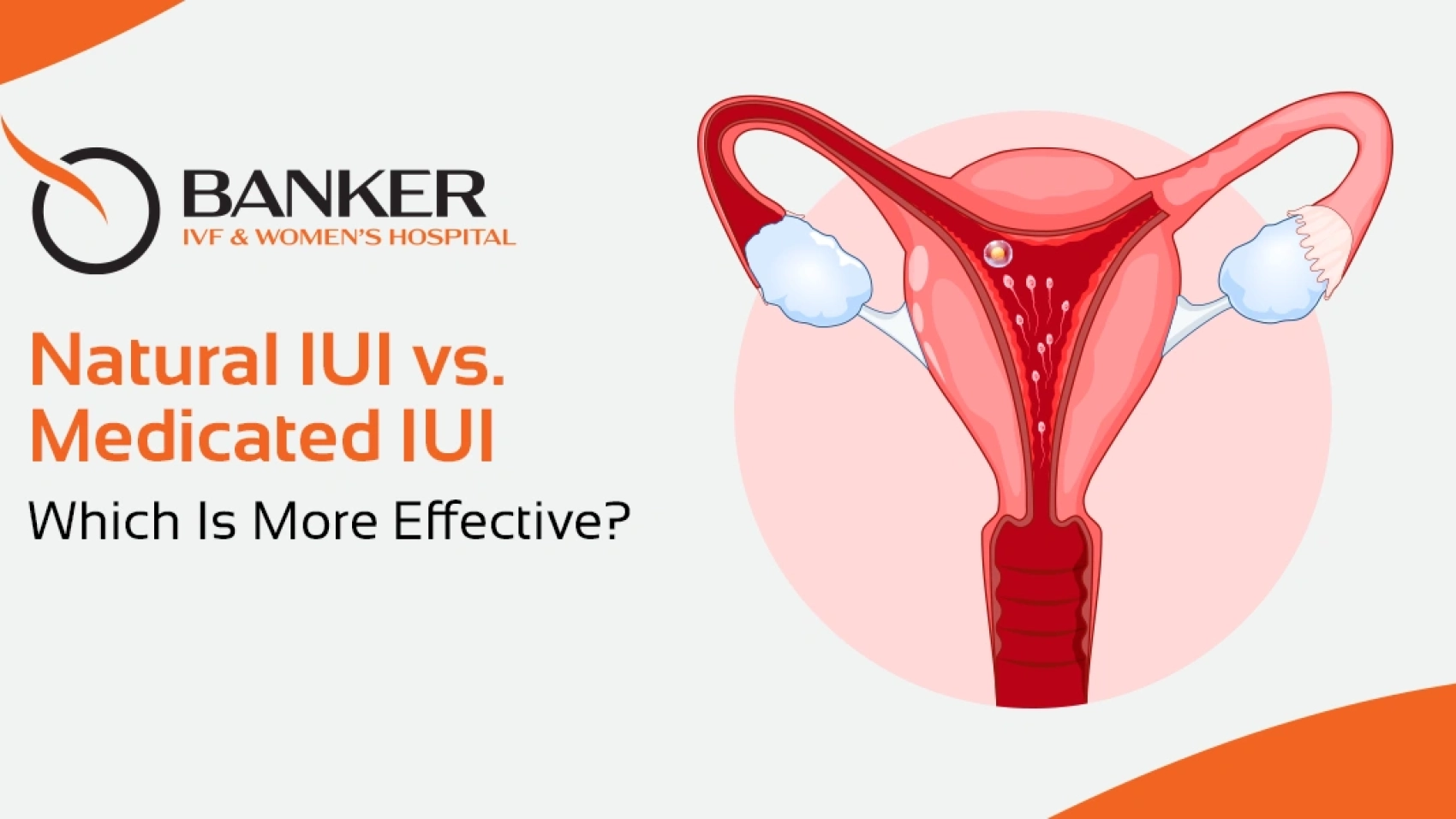
Natural IUI vs. Medicated IUI: Which Is More Effective?

When couples start to investigate fertility options, one of the most asked questions is the difference between natural and medicated IUI. To put it simply, both methods are intended to assist in conception by delivering prepared sperm into the uterus at the optimal time. However, the difference in approaches is often unclear and where couples get confused is which approach is better for their situation. The answer is not always clear, because the effectiveness of either method varies depending on many factors, including medical history, age, and overall reproductive health.

At IVF clinics in Ahmedabad with IUI treatment options, practitioners support that understanding both types of treatment helps couples make decisions confidently and with clarity. Together, this blog goes beyond a written description of both methods, and instead considers how fertility experts approach and guide couples to a decision.

Natural IUI or Medicated IUI – Which Is More Effective?

Understanding Natural IUI

In a natural IUI cycle, ovulation occurs without the use of fertility drugs. The woman’s natural menstrual cycle is carefully monitored through blood tests and ultrasound examinations to determine the exact time of ovulation. Once the egg is released, the prepared sperm sample is placed directly into the uterus. 

This method appeals to many couples because it works in harmony with the body’s natural rhythm. Fertility experts at well-known IVF centre in Ahmedabad often recommend natural IUI in cases where: 

  • The woman has regular menstrual cycles. 
  • There are no major concerns related to ovulation. 
  • The male partner’s sperm parameters are within acceptable limits. 

The main advantage is that natural IUI avoids medication side effects and reduces medical intervention. It’s also less costly and feels more comfortable for couples who prefer a gentle approach.

Bonus ReadThe Future of IVF: Top Innovations You Should Know in 2025

Exploring Medicated IUI

Medicated IUI, as the name suggests, involves the use of fertility drugs to stimulate the ovaries. The goal is to produce not just one, but sometimes two or three mature eggs, thereby increasing the chances of fertilization. 

Medications can range from oral tablets that stimulate ovulation to injectable hormones that carefully regulate egg development. Monitoring is more intensive, as the fertility specialist tracks how the ovaries are responding. At the right time, ovulation is either confirmed naturally or triggered with medication before insemination. 

The best IVF doctor in Gujarat often explains medicated IUI as a way to optimize the natural process rather than override it. It is commonly recommended in cases such as: 

  • Women with irregular ovulation or hormonal imbalances. 
  • Couples with unexplained infertility. 
  • Couples who have tried natural cycles with no success. 

While medicated cycles involve slightly more commitment, they also offer a greater sense of control, as the timing and quality of ovulation can be more closely managed.

Comparing Natural vs Medicated IUI 

When it comes to natural vs medicated IUI, couples often ask which one is more effective. The truth is that effectiveness is relative—it depends on the individual’s fertility profile and the couple’s overall circumstances. 

A fertility specialist considers several questions before recommending one over the other: 

  • Is ovulation happening regularly and predictably? 
  • Are sperm parameters within a healthy range? 
  • Has there been a history of infertility or unsuccessful attempts? 
  • What is the age of the woman, and how much time do we have to optimize chances? 

In general, medicated cycles tend to offer slightly higher success rates because they provide more than one egg for fertilization. However, for younger couples with no underlying fertility issues, natural IUI can be equally effective, while also being less intensive. 

This is why at clinics offering fertility treatments in Ahmedabad, specialists often individualize the approach rather than applying a one-size-fits-all solution.

Emotional Aspects of Choosing Between the Two 

It’s crucial to recognize that fertility care isn’t merely a numbers game; it’s about people, emotions, and life-altering decisions. Couples can experience anxiety about whether it is best to jump in with a mediated cycle or take it slow with a natural cycle. Fertility practice experts often reassuringly point out that one is not “better” than the other when considered in isolation. The optimal course of action considers the couple’s comfort, medical history, and willingness. For some, the natural option is undertaking less fatigue and time consuming than if they had gone straight to mediated cycles. 

In fact, for some couples there is value in starting with natural cycles, while for others, moving to mediated cycles from the start provides peace of mind knowing that they are maximizing every attempt. What matters in the end is a kind team to help explain some of the nuances and to walk alongside couples in making decisions. 

In particular, an established IVF centre in Ahmedabad finds that the supportive partnership often helps couples to have no anxiety about whichever way they go.

What Couples Should Consider Before Deciding 

Before deciding between natural and medicated IUI, couples are encouraged to keep the following in mind: 

(1) Your cycle regularity – If cycles are consistent, natural IUI may be a good first option. 

(2) Age factor – Women over 35 may benefit from medicated cycles to optimize chances quickly. 

(3) Underlying fertility issues – If irregular ovulation, polycystic ovary syndrome, or unexplained infertility is present, medication often provides better support. 

(4) Personal comfort – Some couples prefer a minimal-intervention approach, while others feel reassured by more controlled cycles. 

(5) Specialist’s advice – Each case is unique, and a discussion with the best IVF doctor in Gujarat can help clarify the most suitable path.

A Must ReadKnow the IVF Cost in India: Plan Your Parenthood Journey Smartly

The Bigger Picture

In the end, natural or medicated IUI does not come down to one method being better than other. It is about customizing the process to that particular couple and its unique needs and considerations. Fertility medicine has evolved to a place where we can tailor everything, and customize every detail. 

Most couples that pursue IUI treatment in Ahmedabad find that not only do the methods matter, the behavior of the specialist matters, how deeply they listen, how well they refer, how completely they explain.

Conclusion 

When considering natural vs medicated IUI, the debate is less about which is better and more about which is right for you. Both have their advantages, and your medical background, age, and comfort level with the treatment greatly influence their efficacy. 

At advanced clinics offering fertility treatments in Surat, couples are steeped in professional knowledge, care, and understanding at each stage of the treatment process, so that each step feels intentional. Whether it is in a natural cycle that integrates the body’s natural rhythms or a medicated cycle that enhances precision, the process is relatively similar. Ultimately, every goal is the same: to help couples move closer to their dream of parenthood. 

With the help of a great IVF doctor in Gujarat, and supported by one of the trusted IVF centre in Ahmedabad, couples can move forward with the confidence that their journey is being nurtured with science, compassion, care and commitment.

Sperm Washing in IUI

Sperm Washing in IUI: The Science Behind the Success

In the world of assisted reproduction, some steps are behind-the-scenes but are integral to achieving a positive pregnancy outcome. One such process is sperm washing in IUI – it sounds clinical upon first mention but has a story of science, precision, and hope.

As couples enter the fertility clinic with dreams in hand, what is happening in the laboratory can initiate the transformation of those dreams into reality. It is important for anyone starting their IUI journey to understand what sperm washing is and why it is important.

What Is Sperm Washing and Why Does It Matter?

Sperm washing is a scientific process used to prepare sperm for intrauterine insemination (IUI). During IUI, the goal is to place healthy sperm directly into the uterus, increasing the chances of fertilization. However, sperm, as it is ejaculated isn’t immediately suitable for this.

In natural ejaculation, semen contains not only sperm but also proteins, prostaglandins, dead cells, and other components. These can sometimes cause irritation or even mild cramping if introduced directly into the uterus. That’s where sperm washing steps in – it separates the healthiest, most motile sperm from everything else.

But sperm washing is not just a filter. It’s an optimization technique. For couples undergoing IUI treatment in Ahmedabad or anywhere else, this step is what helps ensure that the best possible sperm are the ones that meet the egg.

Bonus ReadFertility Medications for Women: Key Facts You Should Know

The Real Science Behind Sperm Washing

Behind the lab doors, sperm washing is a fascinating combination of biology and technique. There are three widely used methods:

  1. Swim-Up Technique

This method is based on the fact that motile sperm can swim away from the seminal fluid. After the semen is placed in a proprietary culture medium, the healthiest sperm swim upward into a clear layer, from which it is then collected.

  1. Density Gradient Centrifugation

In this method, layers of special fluid with different densities are used. The semen is spun in a centrifuge, causing the most robust sperm to settle at the bottom. This layer is then extracted for use in IUI.

  1. Simple Wash

Here, the semen is mixed with a solution and centrifuged to separate sperm from other cells and fluids. The resulting sample is resuspended in a nutrient-rich medium.

Each technique is chosen based on individual semen quality and what the fertility expert feels is most appropriate for the situation. Experienced clinicians, such as the best IVF doctor in Ahmedabad, often make this decision after closely studying the semen analysis.

When Is Sperm Washing Especially Important?

Sperm washing isn’t just routine. It becomes particularly crucial in cases such as:

  • Mild male factor infertility (e.g., low motility or slightly low sperm count)
  • Cervical factor infertility (where the cervical mucus may be hostile to sperm)
  • Unexplained infertility (where optimizing every step is necessary)
  • Using donor sperm

In all these cases, sperm washing ensures that the most viable sperm are available at the exact time and place fertilization can occur. That extra care often makes a world of difference.

Must ReadCan IVF Treatment Increase Your Chances of Twins?

The Emotional Side: Why Couples Should Know This

While many patients focus on medications, timing, and test results, it’s easy to overlook what goes on in the lab. But knowing that a tailored process like sperm washing is quietly supporting their IUI treatment journey can be reassuring.

It’s also empowering. Couples dealing with male factor issues can feel empowered knowing that male infertility treatments don’t just involve pharmaceuticals or invasive interventions – sometimes it’s microscopic things that make a huge difference.

For couples looking to discover IUI treatment in Ahmedabad, just knowing that there is a clinic that takes every step with this level of care, expertise, and dedication makes the experience even more reassuring.

contact us

A Word on Expertise

It’s very important to recognize that sperm washing outcomes are influenced by the technique itself, as well as by who is performing the method. Just as the right chef must execute every recipe, every sperm sample must be developed by a qualified embryologist and a skilled fertility team.

Why Sperm Washing Matters in the Bigger Picture

In fertility care, every tiny detail matters. Sperm washing may only take a short amount of time in the lab, but it sets the stage for a successful IUI by:

  • Reducing the risk of uterine irritation
  • Improving the quality of sperm inserted
  • Enhancing the chances of sperm reaching the egg
  • Ensuring that only the most motile sperm are used

It’s not about manipulating nature, it’s about giving nature the best possible conditions to do what it does best.

The Role of the IVF Specialist

The best outcomes happen when technology and empathy walk hand-in-hand. A trusted IVF specialist in Ahmedabad will not just recommend sperm washing as a standard step – they will explain it, customize it, and ensure that patients understand how it fits into the larger plan.

They know that each couple’s story is different. That’s why no sperm sample is ever treated like “just another case.” Instead, it’s handled with care, consideration, and a sense of purpose.

Conclusion

To someone unfamiliar with fertility procedures, sperm washing in IUI may seem like a minor lab process. But for the couples involved, it’s one of the unsung heroes of the fertility journey. It represents care, technology, and intention coming together for one beautiful goal: the chance to grow a family.

Whether it’s a first attempt or part of a longer path, every decision in fertility care holds value. And sperm washing, done with precision and heart, makes a quiet but meaningful difference.

For those initiating or continuing their IUI treatment in Ahmedabad, it’s reassuring and hopeful to know that this scientific step is a part of the process. In the knowledgeable hands of the best IVF doctor in Ahmedabad, or a reputable IVF specialist Ahmedabad, this uncomplicated step can be the science that guides them to become pregnant.

Immune Fertility Tests

Top Questions to Ask About Immune Fertility Tests & Therapies

In the evolving landscape of reproductive health, one aspect that’s gaining increased attention is the role of the immune system in fertility. Many couples are now looking into immunological evaluations as part of their fertility journey, especially after previous attempts have not worked. Immune fertility testing in Ahmedabad is an important option to consider. Knowing what to ask and when to ask can greatly impact your fertility care plan. Here are the key questions patients should think about when discussing immune fertility tests and treatments with their specialists. 

Understanding the Role of the Immune System in Fertility 

Before diving into the specifics of what to ask, it’s important to understand the basics. The immune system’s main job is to protect the body. However, it can sometimes wrongly identify a pregnancy or an embryo as a threat. This mistake can trigger reactions that interfere with conception or cause pregnancy loss. This is where immune-related infertility treatment comes in, targeting specific immune responses that could affect fertility. 

Fertility experts often point out that immune testing is not a regular step for everyone trying to conceive. It is usually recommended for cases of repeated implantation failures, multiple miscarriages, or unexplained infertility despite normal evaluations.

Bonus ReadPrivate vs Government IVF Clinics in Ahmedabad: Which Should You Choose?

Questions to Ask Fertility Specialist About Immune Testing 

Being informed and prepared is key. Here are some thoughtfully framed questions to ask fertility specialist that go beyond the basic queries and help couples have a meaningful discussion with their doctor:

(1) What specific immune tests are recommended for my case?

Not all immune tests are relevant for everyone. The fertility specialist may suggest tests such as NK cell activity, cytokine profiling, HLA matching, or antiphospholipid antibody screening based on your individual history.

(2) How do these immune findings impact our fertility journey?

Understanding the link between immune findings and fertility outcomes can help patients make informed choices about their next steps. Ask how the test results might change the current treatment plan.

(3) Are immune therapies safe during pregnancy?

This is a very important but often overlooked question. Therapies like IVIG, steroids, or intralipids are used in immune-related infertility treatment. However, safety during pregnancy and possible long-term effects should be discussed clearly.

(4) Will immune therapy be used along with IVF?

In many cases, immune therapies are integrated into an IVF cycle. Knowing how the treatment plan is structured and whether immunotherapy will complement IVF treatment in Ahmedabad is important for clarity and preparation. 

The Integration of Immune Testing With IVF 

Couples undergoing IVF (especially those with multiple failed IVF cycles) can gain an additional level of insight through immune testing. If the immune testing (or immune cells) reveal that there is an abnormal immune response, targeted treatment can be applied to the immune environment to help modulate the immune response during implantation and early pregnancy. 

Some important things you will want to talk to your specialist about are: 

  • The timing of immune therapies in relation to IVF medication protocols
  • Monitoring immune markers during the cycle
  • What to do if immune therapy isn’t effective

Having these discussions can be instrumental in optimizing your odds of success during IVF treatment in Ahmedabad, particularly in complex or failed IVF cases. 

Practical Considerations: Costs, Risks, and Expectations 

Understanding the logistics behind these tests and treatments is just as important as the science. Here are a few more questions to ask fertility specialist that address the practical side of the process: 

  • What is the expected duration and cost of immune therapy? 
  • What kind of follow-up or repeat testing is needed? 
  • Are there lifestyle changes I should consider alongside the therapy? 

Since immune therapies are often added to a base IVF plan, it’s helpful to get a transparent estimate of costs and timelines. 

Emotional and Holistic Support Along the Way 

It’s completely natural to feel overwhelmed by the technicalities of immune testing and therapy. That’s why it’s equally important to ask about the support systems your clinic offers. Does the clinic have a counselor, support groups, or a patient coordinator who can help you navigate the journey? Emotional resilience plays a big role in fertility care, and compassionate, patient-centred clinics in Ahmedabad often offer holistic care options. 

Moreover, discussing mental health openly and asking for psychological support is not just valid – it’s encouraged. Reproductive immunology is a growing field, and even specialists understand that it requires both scientific precision and empathetic care. 

Customization is Key: No One-Size-Fits-All 

Every fertility journey is unique. What works for one patient might not work for another. That’s why individualized treatment plans are essential. A good specialist will not only recommend immune fertility testing in Ahmedabad but also explain how the findings apply specifically to your case. 

They will guide you through: 

  • Whether testing is appropriate at your current stage 
  • How the immune findings relate to previous outcomes 
  • How to balance the benefits and risks of intervention 

Being part of a collaborative treatment process, where your questions are welcomed and answered in detail, builds trust and clarity. 

Conclusion

Fertility treatment is an intensely personal event, especially when immune factors are involved, and the ability for individualized, compassionate care is imperative. Asking the right questions can help relieve confusion around treatment options, and allow patients to make informed decisions. 

Whether you are looking for immune fertility testing in Ahmedabad, you should make your conversations with your fertility expert open, honest, and centered on medical and emotional outcomes. The combination of science and empathy is the foundation of successful fertility care, and everything starts by asking the right questions. 

Whether you’re just beginning your journey or are navigating more complex challenges, your voice and your questions matter. And with the right support, answers do come. 

smoking & fertility treatment

How Quitting Smoking Before Pregnancy Supports Healthy Birth Weight

Preparing for parenthood is an adventure filled with excitement, questions, and thoughtfulness. One of the most important steps that can often be overlooked is the decision to quit smoking prior to conception. This small yet impactful step has huge implications for the health of the pregnancy and the long-term health of the child. Fertility experts state that a pre-pregnancy health consultation is a valuable time to discuss these lifestyle changes, particularly regarding smoking habit. 

This blog is designed to guide individuals and couples gently through the realities of smoking and its effect on pregnancy. It aims to empower without overwhelming, support without judgement, and provide clarity that supports confident decision-making. 

How Smoking Affects Pregnancy? 

Quitting smoking prior to pregnancy isn’t only about avoiding complications, it’s about giving the baby as strong and healthy a start as possible. Fertility experts continually underline how profoundly smoking can affect fetal development, even before the pregnancy has begun. 

Why Birth Weight Matters 

The birth weight of a baby is an important indicator of their health immediately after birth, and their long-term trends. Low birth weight (less than 2.5 kg) raises the risk of infection, difficulties with breathing, developmental delays, and possible complications later in life. A variety of factors contribute to low birth weight, but the key social factor that we can target and prevent is smoking. 

Understanding the Effects of Smoking on Pregnancy 

  • Reduces oxygen supply to the baby 
  • Affects the placenta’s development and function 
  • Increases risk of premature birth 
  • Linked to sudden infant health complications after delivery 

Even exposure to second-hand smoke can pose risks, which makes awareness and a smoke-free environment even more important.

Bonus ReadHow to Achieve IVF Pregnancy Success by Improving Endometrial Thickness?

Not Just a Women’s Concern: The Male Fertility Connection 

Becoming a parent is a two-person journey. When we talk about smoking and pregnancy we usually think of smoking and pregnancy related to the females only, but we must not forget the link between smoking and male infertility. 

Studies have shown smoking in men can: 

  • Decrease sperm count 
  • Decreased sperm motility (movement) 
  • Increase sperm DNA fragmentation 
  • Affect the hormones relating to fertility 

A Turning Point: Making the Decision to Quit 

Every journey into parenthood should begin with intention and self-care. It may feel overwhelming to decide to quit smoking, especially for those who have been smoking for years. Through time and support this can feel manageable and empowering. 

A pre-pregnancy health consultation is a great place to begin. This consultation allows both partners to discuss health goals, examine personal risks, and obtain medical advice specific to their fertility journey. 

Through a consultation, couples can:

  • Learn how smoking impacts their reproductive health 
  • Identify tailored approaches to quitting 
  • Consider other lifestyle factors that may be affecting fertility 
  • Set realistic timelines for planning conception

Must ReadShedding Light on Shedding Hair: A Look at Fertility Health

Smoking Cessation Programs for Couples 

Many couples find strength in tackling challenges together. That’s why smoking cessation programs for couples have become a valuable part of modern fertility care. 

These programs offer: 

  • Individualized consultation with lifestyle experts 
  • Medication support when safe and clinically appropriate 
  • Guided action plans customized for readiness and comfort 
  • Emotional wellness support to manage cravings and withdrawal 

You quit together so you not only improve physical health, but also foster emotional bonds and shared purpose – both are critical when empowering through fertility treatments. 

How This Links to IVF and Fertility Outcomes 

For couples going through IVF, particularly in Gujarat where accessibility is improving daily, knowing how lifestyle factors into the success of IVF treatment is important. Top clinics have started combining wellness planning alongside medical protocols, in some cases even before the couple starts medical treatment. 

At a well-known IVF hospital in Ahmedabad, you would find a team who is supportive of lifestyle changes before treatment begins. For example, it will encourage patients to stop smoking, create diet plans, and check-in emotionally, each of which has a positive effect on the potential of success of the couple’s treatment. 

Even the IVF cost in Ahmedabad often includes or offers add-on programs for such support. It’s a worthwhile investment that can improve success rates and overall pregnancy health. 

Simple Steps to Begin Your Smoke-Free Journey 

Here are a few easy ways to start: 

  • Acknowledge the decision: Simply saying out loud, “I want to quit for my baby” is powerful. 
  • Create a plan: Work with your healthcare provider to decide when and how you’ll quit. 
  • Identify triggers: Know what situations lead to cravings and prepare alternatives. 
  • Lean on support: Whether it’s a partner, counselor, or group, don’t go through it alone. 
  • Celebrate progress: Every smoke-free day is a step closer to a healthier pregnancy. 

A Message of Encouragement and Care 

Pregnancy is more than just a biological process; it’s an emotional, physical, and personal experience. Decisions made before pregnancy can affect fertility as well as the outcomes for the baby over a lifetime. 

A pre-pregnancy health consultation can be a path to clearer options, enhanced health, and a better start. When smoking is part of the pre-pregnancy discussion, it is not about blame, it is about conversation, support, preparation, and understanding together. 

Whether you’re just thinking about starting a family or already on the path, know this: change is possible, support is available, and every step you take matters. 

Conclusion 

Ceasing smoking prior to pregnancy is not just a lifestyle adjustment, it’s a gift of health, strength, and choice. It can mean some protection against low birth weight, it can improve IVF outcomes, and these are lasting and real benefits. 

By beginning with a pre-pregnancy health consultation, couples can explore this step. With the support of specialists, access to couple-focused smoking cessation programs, and the care of evaluated specialists at an IVF hospital in Ahmedabad, every soon-to-be family can feel confident and supported. 

The journey to parenthood is made stronger with each conscious choice and this one might just be the most meaningful of all.

Genetics in male fertility

How Much Does Genetics Contribute to Male Infertility?

Infertility, in any aspect, is an emotionally exhausting experience. With regards to fertility for men, the discussions are often quieter, and the awareness, more limited. As science continues to unveil the inner workings of male infertility, one question has become more common; is most male infertility attributed to genetics?

In this blog, we will explore the connection between fertility and genetics, while taking a compassionate and balanced look at all possible influences. The goal is to provide clarity, not concern. And most importantly, to offer men the understanding that fertility is a health condition—not a reflection of identity or masculinity.

Understanding Fertility for Men

Male fertility is not one-dimensional. It depends on several factors such as sperm count, motility, morphology, hormonal balance, lifestyle, and overall health. However, a portion of fertility issues for men can be traced back to genetic origins. This includes not just rare mutations, but also more subtle chromosomal or DNA-level alterations that may interfere with sperm production or function.

However, fertility in men is almost never defined only by genetic factors. Environmental exposure, nutrition, infections, underlying medical conditions, and chronic stress are important factors as well. Genetics is one factor among many, and this nuance is often missed.

What Role Do Genetics Actually Play?

Some of the most studied genetic conditions linked to male infertility include:

  • Y chromosome microdeletions
  • Klinefelter syndrome (presence of an extra X chromosome)
  • Obstructions due to congenital absence of the vas deferens (often related to CFTR gene mutations)
  • Single-gene mutations affecting sperm development

These conditions can lead to issues like azoospermia (no sperm in semen) or severe oligospermia (very low sperm count). But what’s important to understand is that even in such cases, there are pathways toward biological parenthood that can be explored with the right support and planning.

Bonus ReadFirst IVF Consultation? Key Tips to Help You Prepare

A Deeper Look at the Connection Between Fertility and Genetics

Not every fertility issue can be explained through a blood test or a semen analysis. Sometimes, it’s the genetic blueprint that carries the answers.

Here’s how genetics can influence male fertility

Sperm DNA fragmentation: While sperm count is often used as the main indicator of male fertility, the DNA within the sperm itself is also important, as the extent of DNA fragmentation can influence embryo development.

  • Inherited endocrine disorders: Hormonal imbalances associated with pituitary or thyroid disorders can also be inherited and can influence fertility.
  • Gene-environment interaction: Certain men who have been identified as having genetic susceptibility may also be affected more by lifestyle factors such as smoking, exposure to toxins, or heat.

Today, Modern diagnostics, including genetic testing, screening and advanced semen testing, can help give the fertility specialist the desired depth of knowledge to create a more focused and personalized treatment. In some cases, knowing that a genetic issue exists and diagnosing it early may lead to fewer treatment options and simplify the consideration of treatment.

Investigating Additional Root Causes

While genetics is an important avenue to explore, most fertility concerns for men are not genetic. While the list below may not be exhaustive, the male factor in fertility can also originate from:

  • Lifestyle habits like smoking, drinking alcohol, or inadequate sleep
  • Occupational exposure to radiation or other toxins
  • Hormonal factors that are non-genetic
  • Chronic diseases, like diabetes or an autoimmune condition
  • Prior infections, like mumps or sexually transmitted infections

What makes fertility care today so advanced is its holistic approach. Top fertility centres now conduct thorough evaluations that combine physical health, emotional well-being, and genetic insights.

Related Article – How to Treat Premature Ejaculation? Causes, Symptoms & Solutions

Understanding the Emotional Layer

For many men, learning of fertility problems is confusing. Often in cultures where emotional vulnerability is often not encouraged in men, this finding can lead to silence or a delay in seeking help, or stress that is bottled up. Fertility care today recognizes that emotional support is just as important as medical procedures. This is why the choice of clinic is extremely important.

Men benefit from a sense that a team believes in them, listens to them, and does not only look at numbers in a report. There are a number of reputable IVF Doctors in Ahmedabad that have counselling programs that support men through a fertility diagnosis.

IVF and Male Fertility: What Are the Options?

Even in cases where genetic factors are identified, IVF offers several options for overcoming those challenges. In fact, assisted reproduction has progressed in such a way that fertility for men with severe conditions still remains a possibility.

Options are: 

  • ICSI (Intracytoplasmic Sperm Injection): Used commonly when severely impacted quality or quantity of sperm exist
  • TESE (Testicular sperm extraction): In some instances allows for acquisition of sperm directly from the testes
  • PGT (Preimplantation Genetic Testing): Occurs so that embryos are confirmed to only have normal genetic profiles before implantation

It’s important to discuss these possibilities with an experienced fertility team. Some couples are concerned about cost factors, and they often look into options like transparent packages offered at a leading IVF hospital in Ahmedabad. Understanding IVF fees in Ahmedabad can help couples plan better and reduce uncertainties.

Also Read – Egg Freezing at 40: Everything You Need to Know

Important Actions for Men Dealing with Fertility Issues

Here are some thoughtful actions men can take whether that are questioning or have been diagnosed with fertility issues:

  • Conduct a thorough semen analysis (followed by hormone testing and genetic testing as required)
  • Implement healthy lifestyle habits that will contribute to reproductive health
  • Have open and honest discussions with your partner and your care team to address emotional health
  • Have a solid understanding of the treatment options available to you, including the ways in which IVF and technologies can assist you
  • Start investigating IVF cost in Ahmedabad early in order to prepare financially, as well as explore options for insurance or EMI plans if appropriate.

Conclusion

To simply answer the question: No, male infertility causes are not all genetic. Genetics are a large part of fertility for males, but they are only one component of many. Fertility is connected to genetics, but are not linked.

Males experiencing fertility concerns and conditions in their lives need individualised, clear guidance and supportive care. There are now more solutions available as a result of advances in diagnostics and IVF technology. With great support from a compassionate fertility partner, and starting with an IVF hospital in Ahmedabad, male fertility becomes not only possible, but empowering.

By addressing fertility issues for men with patience and the right information, the path forward can be filled with hope, strength, and informed decisions.

IVF Clinics in Ahmedabad

 Private vs Government IVF Clinics in Ahmedabad: Which Should You Choose?

In terms of fertility care, there is nothing that can be more personal. So, when many individuals and couples are choosing an IVF centre in Ahmedabad, it feels like a significant decision on the path to parenthood. With new medical developments and better understanding of things like egg freezing treatment, we now have more options than ever for assisted reproductive technology in Ahmedabad as a city. Despite having many choices through government and private facilities, deciding between the two choices is not so easy.

In this blog, we walk you through the thoughtful considerations that go beyond surface-level comparisons. It is not about which is “better” in absolute terms but which one suits your specific medical, emotional, and financial needs. With a calm and empathetic voice, this blog aims to guide you like an experienced IVF specialist in Ahmedabad would, with clarity, understanding, and a commitment to helping you make the most informed decision.

Understanding the Foundations of IVF Care

Before exploring the distinctions, it’s important to understand that both government and private IVF centres operate under ethical frameworks and are regulated. Their shared goal is to offer hopeful paths to parenthood through safe and scientifically backed treatments.

However, the infrastructure, personalization, accessibility, and innovation levels can vary significantly. Let’s explore this.

Bonus ReadIVF in 2025: Future Tech & Fertility Breakthroughs

A Quick Comparative Look: Government vs Private IVF Centres in Ahmedabad 

Here is a simplified table to help understand the distinctions clearly: 

Category  Govt. IVF Centre  Private IVF Centre
Accessibility  High demand, often long waiting lists  Faster appointments, more flexible timings 
Technology  Standard IVF technology IVF treatment cost   Advanced tools: AI protocols, embryo monitoring, etc. 
Cost  Low or subsidized   Higher, but transparent with flexible payment plans 
Privacy & Comfort  Basic infrastructure, shared spaces  Private rooms, high-end facilities 
Personalization  General protocols  Tailored treatment based on patient history 
Specialist Attention  Limited, rotating consultants  Dedicated full-time IVF specialists in Ahmedabad 
Counselling Services  Minimal  Regular counselling and emotional support 

Where Private IVF Centres May Offer a Different Experience

Private clinics in Ahmedabad have made incredible inroads in providing comprehensive care. From individualized ovarian stimulation protocols, to egg freezing treatment as a course of fertility preservation, patients regularly receive a more personalized experience.

One of the main things that differentiate the service at some private IVF centres is a degree of predictability: their appointments are more systematic, follow-ups are timely, and they can directly monitor their progress through each step of treatment. For many people, this provides a level of comfort. And of course for some patients, when delayed cosmetic issues like age-related fertility decline are at stake, the access to care allows them to proceed care without delay.

Many private centres also employ full-time embryologists, counselors, and IVF specialists in Ahmedabad who work collaboratively under one roof, creating a tightly-knit support system.

The Strengths of Government IVF Centres: Accessibility & Affordability

Government-run IVF centres are an essential part of the reproductive healthcare system. They provide an opportunity for a broader segment of the population to access infertility care at an affordable IVF treatment cost. For those who can commit to longer wait times and are comfortable with standard treatment protocols, these centres serve as reliable options.

While personalized care may be limited due to patient load, the medical expertise is still trustworthy. Moreover, for some basic fertility needs or initial diagnostic evaluations, government setups can serve as an excellent starting point.

A Must ReadHow to Make IVF Conversations Easier with Loved Ones

IVF Cost Considerations

Fertility journeys often span months or even years, and while IVF treatment cost remains a significant consideration, it’s important to also evaluate value in terms of:

– Time invested

– Continuity of care

– Emotional well-being

– Long-term family-building plans (e.g., egg freezing treatment)

Some private IVF centres offer financial counseling and payment flexibility, which helps patients explore various options without immediate pressure.

Personalization: A Powerful Factor

Every fertility story is unique. Some require detailed hormonal mapping, others benefit from genetic testing, and some simply need more time and hand-holding through the process. Private IVF centres often cater to these nuanced needs more readily.

That said, a few government centres are also evolving, slowly adopting tech upgrades and patient-centric approaches. However, due to systemic limitations, this evolution is gradual.

The Role of Egg Freezing Treatment in Modern Fertility Planning

A notable difference between government and private IVF care is in the availability of fertility preservation services. Egg freezing treatment, which was once seen as niche, is now available in many private settings in Ahmedabad to allow women to plan their parenthood in their timelines.

This is of great benefit to those with medical treatments, career goals, or wanting to take steps to the path of family-building.

Related Read – Your Guide to Managing Weight After a Failed IVF Pregnancy

When to Choose What? A Patient-Centric Perspective

Ultimately, the choice comes down to:

Budget: Consider what you can comfortably invest without stress.

Timeline: Do you have time to wait or need prompt action?

Need for Specialization: Are your medical needs complex?

Emotional Support: How important is having a dedicated counselor or coordinator?

Future Plans: Are you also considering options like egg freezing treatment?

Speaking with a trusted IVF specialist in Ahmedabad can help align these considerations with the best path forward.

Conclusion

No matter if you go down the route of a government or a private IVF centre in Ahmedabad you have made the right choice – and there is legitimacy to your decision. Each path offers different opportunities and, most importantly, you can choose a centre that aligns with your emotional well-being, financial situation, and medical priority.

It is important to know that this decision is not only about a treatment journey but about trusting the right team, timing and putting all the pieces together. With the help of a qualified IVF specialist in Ahmedabad, your treatment should be an exciting and hopeful journey, aligned with your objectives.

In the end, it’s not a matter of which is better universally, but which is better for you.

Ready for Your First IVF Consultation? Here’s What to Know

Genetic Testing & Male Infertility

Genetic Testing & Male Infertility: Understanding the Connection

Fertility can be thought of as a journey and it is often filled with emotions, expectations, and sometimes, some unexplained bumps in the road. While it often feels like all the focus is on women’s reproductive health, male fertility is just as important. Often the answers are in the DNA. 
 
If you’re exploring male infertility treatment in Ahmedabad, understanding how genetics affect male fertility is more than a medical discussion, it’s about gaining clarity, comfort, and control. In this blog, we take a closer look at how genetic testing is shaping the way we approach male infertility, offering patients and couples real insight into their reproductive health.

Why Male Fertility Deserves Attention?

Male infertility is about what’s happening at a cellular, even microscopic, level. Sometimes, despite a healthy lifestyle and no obvious medical conditions, the issue still persists and this is where genetics becomes a crucial piece of the puzzle. 
 
Male fertility issues are present in nearly half of all infertility cases. What makes things more complex is that many of these issues are “silent” — they don’t show visible symptoms and often remain undiagnosed until conception becomes difficult. 
 
That’s why a complete evaluation including genetic screening is a key part of male fertility diagnosis in Gujarat and elsewhere.

Relevant ArticleFertility Supplements for IVF Success: What You Need to Know

What is Genetic Testing?

Genetic testing is a very useful resource that reveals hidden causes of fertility issues. Genetic testing analyzes an individual’s DNA sample to identify underlying changes or mutations that may affect the production or function of sperm. Genetic testing requires a specialist to analyze the DNA; in this instance, we are not guessing or making assumptions on our part. The clarity that genetic testing uncovers helps fertility specialists know what is going on at a genetic level and can deliver discoveries that traditional testing might not uncover. For many people and couples, it is the moment that wraps confusion and gives clear identification of their condition aiding in the path of treatment with a clear, focused, and hopeful exploration of a resolution for their previous future.

What is Genetic Testing In IVF Treatment?

Genetic testing in IVF treatment is gathering useful information about the individuals. With male infertility cases, genetic testing helps specialist discover other conditions that routine testing would not uncover. 
 
There are some key areas of genetic testing: 
– Karyotyping
This forensic analysis occupies a particular point in time reviewing the structure of chromosomes, including the number of chromosomes overall. For example, a karyotype test could disclose mild abnormalities like Klinefelter Syndrome when a male has an extra X chromosome.  
 
Y-Chromosome Microdeletion Testing 
There are some areas on the Y chromosome that are critical to sperm production where deletions could severely compromise or totally abolish sperm. 
 
CFTR Gene Mutation Testing 
This test is especially useful when the vas deferens (the tube that carries sperm) is missing, often due to a condition linked to cystic fibrosis. 
 
These are not just names of complex tests but they are tools that provide much-needed answers for couples who have been trying without success.

When Should Genetic Testing Be Considered?

Genetic testing isn’t necessary for everyone, but there are certain cases where it can be extremely valuable: 
 
If the sperm count is extremely low or absent (azoospermia) 
 
If there’s a known family history of genetic disorders 
 
If multiple IVF cycles have failed without clear explanation 
 
If physical signs such as small testicles or absence of vas deferens are observed 
 
Your IVF doctor in Ahmedabad may recommend these tests as part of a comprehensive evaluation. And while they may feel overwhelming at first, they can help make treatment more focused and meaningful.

Bonus Read10 Great Ways to Improve Male Fertility

What Happens If a Genetic Cause Is Found?

This is where the conversation turns from “why” to “what next.” Finding a genetic cause doesn’t mean the end of hope in fact, it often opens up clearer paths forward. Based on the results, your fertility team can: 
 
Suggest procedures like TESE (Testicular Sperm Extraction) if sperm are present in the testes 
 
Recommend ICSI (Intracytoplasmic Sperm Injection) in cases with low sperm count 
 
Offer genetic counselling to understand risks and implications for future children 
 
Discuss options like donor sperm if necessary 
 
The key here is having a compassionate, informed guide, someone who helps make these decisions feel less overwhelming. A trusted IVF centre in Ahmedabad can provide just that.

Why Genetic Testing Is a Turning Point?

There’s something deeply empowering about understanding the root of a problem. For many couples, genetic testing becomes the moment when confusion starts to clear. It helps couples: 
 
Avoid unnecessary or repeated IVF cycles 
 
Choose the most appropriate form of ART 
 
Prepare mentally and emotionally for what lies ahead 
 
Through accurate male fertility diagnosis in Gujarat, couples no longer have to walk blindly through treatment. They gain a clearer picture — one that leads to better planning and improved outcomes.

Read MoreInfertility Treatment – Causes of Male And Female Infertility

The Role of IVF Centres and Doctors

Today, advanced IVF centres in Ahmedabad are equipped with the infrastructure and expertise to offer comprehensive genetic testing and supportive counselling. Whether it’s testing, sperm retrieval, or helping choose the right next step the role of your fertility team is to walk with you, not ahead of you. 
 
An experienced IVF doctor in Ahmedabad doesn’t just interpret test results but they translate them into a path forward that feels right for you. 
 
Conclusion 
 
Male infertility is not a limitation, it’s a condition that deserves attention, empathy, and clarity. Through the lens of genetic testing, couples gain a better understanding of what’s happening and how they can move forward with confidence. 
 
For anyone seeking male infertility treatment in Ahmedabad, incorporating genetic testing into the evaluation process could be the difference between ongoing uncertainty and informed progress. 
 
With the support of a compassionate IVF centre in Ahmedabad and expert guidance from your IVF doctor in Ahmedabad, the journey toward parenthood can be one of understanding and empowerment.

Fertility Medications

Fertility Medications for Women: Key Facts You Should Know

When hope meets science, it needs care, time, and the right direction.

For many women and couples, the road to parenthood isn’t a straight line. It’s filled with patience, questions, a quiet kind of strength, and sometimes, medical support in the form of fertility treatment in Ahmedabad.

If you’re just beginning to explore treatment, fertility drugs may be one of the first things that come up. You may have heard of them from your doctor, a friend, or just from hours of late-night Googling. And with that comes a flood of questions:

  • What do these drugs actually do?

  • Will they work for me?

  • What should I expect?

  • Are there side effects?

  • And most importantly—where do I start?

Let’s talk about it—gently, honestly, and with care. Because you deserve answers that don’t feel cold or clinical, but thoughtful, warm, and rooted in understanding.

Not every fertility journey begins with medication

Here’s something many women don’t hear often enough: You don’t start with fertility drugs—you start with clarity.

Before any treatment is prescribed, a good fertility clinic will always spend time figuring out what’s really going on. It’s never about guessing—it’s about understanding.

An experienced IVF specialist in Ahmedabad will usually recommend a few baseline evaluations first. These are designed to gently uncover what might be affecting your chances of conceiving:

  • Blood tests to check hormone levels

  • Ultrasounds to assess your ovaries, uterus, and lining

  • Tubal assessments to check for blockages

  • Ovulation tracking, which may include noting your basal body temperature and menstrual cycles for a few months

Why all this? Taking fertility drugs without a diagnosis will not necessarily increase the chances of getting pregnant. In fact, it might lead you away from the treatment that your body actually needs.

Bonus Read The Future of IVF: Top Innovations You Should Know

So, when are fertility drugs recommended?

When your doctor has enough information—and when the diagnosis suggests that medication could help that’s when fertility drugs become part of the plan. And no, not everyone will need them. But for many, they are the gentle nudge their body needs.

Fertility drugs are used for different reasons, depending on your specific situation:

  • To help with ovulation induction if you’re not ovulating regularly (or at all)

  • To support hormone levels for a healthier conception environment

  • To help the ovaries produce multiple eggs during IVF

  • To prepare the uterus for implantation

Types of Fertility Drugs 

We know it’s easy to get overwhelmed by the names and medical terms. But understanding the basics can really help you feel more confident about the process.

1. Ovulation Induction Medication

This is often the first kind of medication prescribed, especially if the issue is irregular or absent ovulation.

These drugs gently stimulate your ovaries to release an egg (or more than one), and some common names you might hear include:

  • Clomiphene citrate (Clomid) – Often a first-line option. It encourages ovulation by stimulating certain hormones in the brain.

  • Letrozole – Sometimes used for women with PCOS or those who don’t respond well to Clomid.

  • Gonadotropins – These are injectable hormones that directly stimulate the ovaries and may be recommended if oral medications don’t work.

This group is what doctors refer to as ovulation induction medication. And with proper monitoring, it can work beautifully—often gently, sometimes gradually, and with a lot of care along the way.

2. Fertility Drugs Used in IVF

When IVF becomes the chosen treatment, the process gets more precise—and so do the medications. During IVF, your doctor needs to coordinate everything perfectly: your hormones, your egg growth, and the readiness of your uterine lining.

This is where a different class of drugs is used:

  • FSH and LH injections to stimulate multiple eggs

  • GnRH antagonists or agonists to control ovulation timing

  • HCG to mature eggs right before retrieval

  • Progesterone supplements to support the uterus after embryo transfer

These are all part of the fertility drugs used in IVF, and while the process might sound clinical, it’s always guided by your body’s unique response. Every step is monitored and adjusted with care.

Timing is Everything

One of the most important things to know is that fertility medication follows your body’s natural rhythm. You can’t take it randomly. You may even be asked to wait a few months before starting, so the timing matches your cycle perfectly.

This can feel frustrating, but there’s wisdom in the wait. Those weeks are not “nothing happening” time. They’re preparing your body, observing how it naturally behaves, and making sure you’re ready—physically and emotionally.

A Must Read- Boost Your IVF Success with These Fertility Supplements

What if the first cycle doesn’t work?

It’s okay. Truly.

Many women go through more than one cycle of treatment before seeing success. And that doesn’t mean your body is failing—it just means it’s still speaking, still responding, still adjusting.

Your doctor might:

  • Repeat the same medication with a dose tweak

  • Try a different drug

  • Suggest another round of testing

  • Move you toward IUI or IVF, if that’s what’s next

Every woman’s path looks different. What matters is that you feel supported at every turn.

Understanding Cost, Without Fear or Pressure

Fertility treatment, including medication, comes with financial considerations. And it’s okay to be concerned about that.

The IVF treatment cost in Ahmedabad can vary depending on your specific protocol, whether it includes injections, how many cycles you need, and what additional procedures are involved (like embryo freezing or ICSI).

What’s helpful is to ask all your questions early. Good clinics will break down the costs, explain what’s essential vs. optional, and help you plan realistically, without adding more stress to the process.

Gentle Reminders for Your Heart

If you’re in the middle of this journey—or just starting—you’re carrying a lot. Hormones, decisions, appointments… and hopes.

So here are a few soft reminders that you can keep close:

  • Your body is doing the best it can.

  • It’s okay to feel uncertain.

  • Every cycle is a step forward—even if it doesn’t look like one.

  • You are allowed to rest. You are allowed to hope.

  • You’re not alone in this.

The right care team will walk with you, not just as medical experts, but as quiet companions in this very personal journey.

fertility treatment

Conclusion

Fertility drugs aren’t the beginning of the story, and they’re certainly not the whole story. But they can be a meaningful chapter when chosen with care, timing, and deep understanding.

If you’re seeking fertility treatment in Ahmedabad, start with a diagnosis, a conversation, and a team that sees more than just numbers they see you.

Taking fertility drugs without a diagnosis will not necessarily increase the chances of getting pregnant. What increases your chances is thoughtful treatment, timed carefully, supported emotionally, and delivered with sincerity.

Whether it’s through gentle ovulation induction medication or the advanced route of IVF with the help of fertility drugs used in IVF, there is a path for you. And with the right support, it becomes more than medical—it becomes hopeful, human, and deeply personal.

Human Fertilization

Understanding Human Fertilization – A Step-by-Step Guide

In reproductive medicine, learning how our bodies carry out the complex process of human fertilization gives more than scientific knowledge—it provides emotional clarity and peace of mind to individuals in pursuit of parenthood. Whether natural conception is your goal or looking to utilize assisted means of conception, such as the IVF Treatment Process in Ahmedabad, understanding the process of fertilization in a step-by-step manner can be valuable and empowering.

Introduction: The Miracle in Motion

Fertilization is a wonder of nature. Billions of biological actions happen quietly and carefully every moment around the world to establish that potential for new life. To many people, fertilization is just the joining of sperm and egg. However, to fertility specialists, it is huge number of biological steps, and when you understand what those steps involve, it becomes a source of hope and assurance.

In the clinical context, we live in an age where assisted reproductive technologies (ART) is changing people’s lives and for this reason, understanding how fertilization happens in IVF and also naturally can provide tremendous value. Following is a guided and informative breakdown of how fertilization truly takes place.

Bonus ReadIVF in 2025: Future Tech & Fertility Breakthroughs

Step-by-Step Guide to Human Fertilization

Step 1: Ovulation – The Beginning

Each month, a woman’s ovary matures and then releases an egg during ovulation. Once the egg has been released from the ovary, it travels to the fallopian tube, where it waits approximately 12 to 24 hours for fertilization. Timing is everything here, and this relatively small amount of time is in nature’s way in creating the types of timelines that foster conception.

Ovulation in IVF in Ahmedabad usually requires medical induction and timing as the best eggs to retrieve are monitored when ovulation occurs.

Step 2: The Journey of a Sperm

Once a man ejaculates, millions of sperm have a journey that has many complex steps through the cervix, into the uterus and all the way to the fallopian tube. It may surprise many to know that very few sperm actually reach the egg, and of the millions that are ejaculated, only one sperm will ultimately connect with the egg.

Understand in the context of how fertilization occurs in IVF, the process is controlled and exact. Instead of millions of sperm racing, only a few selected sperm are introduced directly to the egg under the expert supervision.

Step 3: Meeting Point – The Fusion

When a sperm meets the egg and penetrates the outer layer of the egg, then you had true fertilization. The sperm brings in its genetic material, and it combines with that of the egg and becomes a single cell organism called zygote. The zygote contains and has within it all of the genetic material that will require developing into a complete human being.

Step 4: The Zygote Begins Its Journey

The fertilized egg, or zygote, now begins dividing and growing as it travels from the fallopian tube toward the uterus. Within 3-5 days, it becomes a blastocyst—a cluster of cells ready to implant itself into the uterine lining.

For patients undergoing IVF treatment cost in Ahmedabad, this step happens outside the body in a controlled embryology lab. The blastocyst is then carefully placed into the uterus to promote implantation.

A Must ReadPregnancy Through the IVF Process

Step 5: Implantation – Where Life Takes Root

Once in the uterus, the blastocyst attempts to attach to the uterine wall. If successful, this is when pregnancy officially begins. The woman’s body begins producing the hormone hCG, which helps sustain the pregnancy and is the hormone detected in pregnancy tests.

Implantation is a sensitive and vital step, and the support offered by the best IVF hospital in Ahmedabad often includes not just medical care, but emotional encouragement, personalized counseling, and timely follow-ups.

contact us

IVF and Human Fertilization

Modern fertility treatments mirror the natural fertilization process while giving it a structured, supportive framework. Here’s how IVF plays a role in bridging biological science and compassionate care:

  • Controlled Ovulation: Hormonal injections stimulate the ovaries to produce multiple eggs.
  • Egg Retrieval: A minor procedure is performed to collect mature eggs.
  • Laboratory Fertilization: Eggs and selected sperm are introduced in a lab setting.
  • Embryo Transfer: Once fertilized, the best-quality embryos are transferred into the uterus.
  • Every step above is executed with utmost precision, guided by knowledge and empathy.

With the growing trust in IVF in Ahmedabad, more couples are able to understand that science and care go hand-in-hand.

A Must ReadIVF Myths Busted: What You Need to Know

Human Fertilization Explained 

Understanding fertilization is not just about knowing the science but also appreciating the delicacy and emotional weight of the process. Let us look at some lesser-known, yet meaningful insights:

  • Each Fertilization is Unique
    No two eggs and no two sperm are identical. Each union brings forth a new genetic identity.

  • Emotional Readiness Matters
    Beyond biology, emotional and mental readiness play a vital role in a successful journey.

  • Environment Shapes Success
    From hormonal health to a stress-free lifestyle, many subtle factors influence the process.

For couples considering the best IVF hospital in Ahmedabad, these insights offer clarity and assurance that every small detail is accounted for in the journey.

Conclusion

Human fertilization, no matter how it occurs, is a personal and emotional process. It can happen naturally or with the help of a process such as IVF treatment in Ahmedabad. The IVF process includes a series of steps, and there is significance behind every step. With the advances in science and the care of a fertility specialist, everything that once felt uncertain now feels hopeful.

When patients receive human fertilization explained in such a thoughtful and respectful manner, it not only educates but also uplifts.

For those seeking parenthood, remember: Every journey is different, and every path is valid. With trusted medical guidance and heartfelt care, the dream of bringing life into the world is not just a possibility—it’s a promise waiting to be fulfilled.

IVF vs. Surrogacy

IVF vs. Surrogacy: Key Differences & What You Need to Know

The transition to parenthood is usually not a linear path. For many, it involves a variety of unexpected routes, difficult decisions, and very personal questions to consider. One of the main decisions you may find yourself having to make is deciding between IVF and surrogacy. Surrogacy and IVF are two very different paths toward the same destination—holding your child. In a city like Ahmedabad, where fertility care has evolved with compassion and expertise, understanding IVF vs surrogacy in Ahmedabad is not just a medical decision—it’s an emotional one, too.

Starting or expanding a family is one of the most heartfelt decisions a person can make. But when natural conception doesn’t go as planned, many turn to medical support, often finding themselves choosing between IVF and surrogacy. While both are remarkable in their own right, understanding the emotional, medical, and practical differences between the two is essential. Especially in a supportive environment like Ahmedabad, where fertility care has come a long way, knowing what fits your unique situation matters.

What IVF and Surrogacy Truly Mean

IVF: A Science of Hope, A Process of Patience

IVF, or In Vitro Fertilization, allows the eggs and sperm to meet in a laboratory before the embryo is placed in the uterus. IVF is generally the first option for people who are facing infertility, advanced maternal age, and some medical issues. But IVF is not just about the process – it is about belief. It is trying again, usually after a devastating loss. With the help of an IVF physician in Ahmedabad, couples are encouraged throughout the whole process, from the hormone injections to implanting the embryo in the uterus, with a combination of science and empathy.

IVF means the woman is carrying her baby, and for many women, that physical connection during pregnancy has some emotional relevance. Being pregnant with your own baby comes with challenges: multiple cycles, waiting, not knowing; but with the right support, it can be empowering.

Surrogacy: A Shared Journey of Trust and Courage

Surrogacy is when a surrogate (woman) is pregnant with a child/embryo for intended parents. There are many reasons for using a surrogate, such as health issues, repeated pregnancy loss, or instances where carrying a baby is not safe for medical reasons. Surrogacy is sometimes needed if there are no other options, and then it becomes an amazing partnership between one woman and another woman.

The difference between smooth and successful IVF and surrogacy is not just procedural; it is emotional and relational. Surrogacy means working together in transparency, legality and most importantly, trust. Today, surrogacy options in Gujarat are advancing toward a streamlined process to ensure legal rights are respected and emotional well-being is intact at every turn.

Bonus Read – How to Prepare for Labour: Tips for a Smooth Delivery Experience

IVF vs Surrogacy in Ahmedabad: How Do You Choose?

There’s no one-size-fits-all answer. Ahmedabad is home to some of the best IVF care providers in India, and that includes support for both IVF and surrogacy paths. Here’s how one might look at the difference:

1. The Medical Lens

IVF is often preferred when the woman can carry the baby but needs help conceiving. Surrogacy is considered when pregnancy poses a health risk or isn’t medically advisable.

2. Emotional Readiness

IVF allows direct involvement during pregnancy. Surrogacy asks for a letting go of that physical experience, but can offer peace of mind if IVF hasn’t worked before.

3. Legal Involvement

IVF requires minimal legal steps. Surrogacy in India, particularly through surrogacy options in Gujarat, is regulated to protect everyone involved.

4. Time, Cost & Energy

IVF might involve multiple cycles. Surrogacy is more structured, though costlier—it can, for some, reduce the mental and physical toll of repeated IVF attempts.

Why Support Systems Matter

It’s not just about the treatment. It’s about the journey. The best IVF centre in Ahmedabad offers more than technology—they offer understanding. Fertility journeys are heavy with emotion, and a trusted care team can make all the difference.

Support teams typically include:

  • Fertility doctors
  • IVF specialist in Ahmedabad
  • Legal experts
  • Mental health professionals
  • Skilled embryologists

These experts help navigate every step, not just medically, but emotionally, legally, and ethically.

A Must Read – Know the IVF Cost in India: Plan Your Parenthood Journey Smartly

Choosing With Confidence, Not Pressure

What every couple or individual needs to hear is this: there is no wrong choice. IVF and surrogacy are not in competition—they are simply different paths. The real question is: what aligns with your emotional, physical, and life circumstances?

Ask yourself:

  1. Am I emotionally prepared for either process?
  2. Do I feel supported by my partner/family?
  3. Do I have the right team helping me?

The right answer is the one that brings peace to your heart and clarity to your decision-making.

Conclusion: Every Journey Deserves Respect

Understanding IVF vs surrogacy in Ahmedabad isn’t just about knowing the facts – it’s about honouring your story. In a city where expert care meets compassion, hopeful parents can explore their options with openness and dignity.

Whether you choose IVF, supported by the best IVF centre in Ahmedabad and an experienced IVF specialist, or take the surrogacy route with legal clarity and trust through surrogacy options in Gujarat – the goal remains the same: to build a family in a way that respects your body, your emotions, and your dreams.

And no matter the path, every baby born from these journeys carries with them a story of resilience, love, and unwavering hope.

Thyroid Health and Women's Fertility

The Hidden Connection: Thyroid Health and Women’s Fertility

The human body operates like a finely tuned symphony, where each hormone plays a significant role in overall wellness. Among these, the thyroid gland, a small butterfly-shaped organ in the neck, may seem minor at first glance, but its impact on a woman’s reproductive health is profound. When it comes to conception, pregnancy, and overall fertility health, the relationship between thyroid and female fertility cannot be overlooked. Many aspiring mothers are unaware that an imbalanced thyroid could quietly stand in the way of their dreams of parenthood.

The Silent Influence of the Thyroid on Reproductive Health

To fully comprehend this connection, we must start by recognizing the function of the thyroid gland. The thyroid is responsible for regulating metabolism, energy, and hormonal homeostasis. Its role is much deeper than that and even more important in women, because this gland has an influence on the menstrual cycle, ovulation, and ultimately the environment for a healthy pregnancy.

An underactive thyroid (hypothyroidism) may cause irregular periods, anovulation (absence of ovulation), or even amenorrhea (absence of menstruation). On the other hand, an overactive thyroid (hyperthyroidism) might lead to light or infrequent menstruation and miscarriage if left unmanaged.

What makes this especially delicate is that the symptoms are often subtle—fatigue, weight fluctuations, or mood changes—and easily mistaken for stress or lifestyle effects. This makes routine thyroid screening an essential part of any fertility evaluation.

In fact, many women who are struggling to conceive are surprised to learn that their thyroid levels are a contributing factor. And even more surprisingly, once this imbalance is addressed, conception can sometimes occur naturally without further intervention. This is why experts often emphasize the importance of a full hormonal panel early in the fertility journey.

Thyroid Health in the Fertility Journey

A fertility expert says that thyroid problems don’t always show clear signs. Sometimes, there are only small signs, and in infertility, even these small signs are important. When women visit an IVF doctor in Ahmedabad or anywhere else, they are often surprised to learn that correcting their thyroid levels can really help.

When to Consider Thyroid Testing

If a couple has been trying to conceive for over a year without success (or six months if the woman is over 35), a comprehensive work-up should include thyroid function tests. Indicators such as high TSH (thyroid-stimulating hormone) or the presence of thyroid antibodies may call for medical attention.

This is especially helpful because in certain situations, even the most basic thyroid treatment for infertility can markedly improve the chances of a woman conceiving naturally. With the right medication, monitoring, and/or adjustments, we can often balance the hormones that will permit ovulation and implantation to occur.

In addition, women with a personal or family history of thyroid disease, women who have experienced recurrent miscarriage and/or women with signs of thyroid dysfunction (i.e. thinning hair or brittle nails or worsening mood swings or cold intolerance) should discuss thyroid testing with their physician. Many of these milder signs and symptoms may hint at subtle but significant hormonal imbalances that should be addressed.

Tailored Treatments and IVF Support

If thyroid imbalance persists despite medication or if other fertility challenges are present, assisted reproductive techniques like IVF become a part of the journey. Reputable centers, such as any advanced IVF hospital in Ahmedabad, now adopt a highly integrative approach. Before starting IVF, they ensure the patient’s thyroid function is optimized to improve the success rate.

Interestingly, thyroid issues don’t exclude one from IVF eligibility. But they do demand a more mindful strategy. The IVF treatment cost in Ahmedabad is relatively reasonable compared to other cities, and more importantly, many hospitals include endocrine support as part of the care package, knowing the link between thyroid and female fertility.

It is also essential to note that timing matters when it comes to thyroid correction. For instance, thyroid hormone replacement often takes several weeks to reach optimal levels, so proactive screening and treatment before beginning fertility procedures can save time and emotional energy in the long run.

Working Closely with Fertility Experts

Women with thyroid conditions are encouraged to work with fertility clinics that house multidisciplinary teams. An ideal setup includes reproductive endocrinologists, experienced gynecologists, and an in-house endocrinologist who collaborates to ensure all hormonal angles are considered. At a leading IVF hospital in Ahmedabad, such collaborations are increasingly becoming the norm.

These teams monitor not only the thyroid levels before IVF but also throughout the process and into early pregnancy, when thyroid hormones are crucial for the baby’s brain development. In some cases, even minor fluctuations in TSH levels can influence implantation success, highlighting the importance of individualized care.

Furthermore, such coordinated care makes space for broader conversations around lifestyle. Patients may be guided on nutrition plans rich in iodine, selenium, and zinc—nutrients that support thyroid health. Mental wellness, sleep hygiene, and physical activity are also brought into the equation as part of a complete care protocol.

Positive Pathways Forward

The good news? Thyroid disorders, once diagnosed, are often highly manageable. And with personalized thyroid treatment for infertility, many women go on to conceive naturally or with assisted techniques. From diet and medication to stress management and regular monitoring, fertility experts aim to support not just conception but the woman’s overall well-being.

Every fertility journey is different. While some women may respond quickly to medication, others may require a few months of adjustment before ovulation resumes consistently. Patience, paired with regular follow-ups and a supportive medical team, plays a critical role in this phase.

Some signs that may call for thyroid evaluation include:

  • Irregular or absent periods
  • Unexplained weight gain or loss
  • Recurrent pregnancy loss
  • Constant fatigue or low energy
  • Difficulty conceiving despite regular cycles
  • Feeling unusually cold or warm without an external cause
  • Brain fog or difficulty concentrating

Many women experience a sense of relief once a thyroid condition is diagnosed—it gives them a starting point. A reason. And most importantly, a path forward.

Conclusion

The intricate connection between thyroid and female fertility is a reminder that reproductive health is holistic. Each hormone, organ, and signal within the body is part of a larger conversation. Recognizing thyroid dysfunction early and seeking expert guidance paves the way for positive outcomes.

Whether you are considering a consultation with an IVF specialist in Ahmedabad or exploring your options at an IVF hospital in Ahmedabad, understanding your thyroid function is a crucial step. With supportive care, thorough evaluation, and the right interventions, countless women have transformed their fertility journey into a story of hope and success. And often, it begins with a simple thyroid test.

Innovations in IVF Technology

The Future of IVF: Top Innovations You Should Know in 2025

In 2025, assisted reproduction continues to evolve with exciting new advances in IVF technology. These advances are not only transforming success rates in IVF, but they are actually transforming the experiences of couples who take the journey to parenthood. With personalized, compassionate and effective fertility care, we now have treatments that are guided by an innovative approach with data and care. This blog discusses some recent advances in IVF and its potential to redefine IVF treatment in Ahmedabad and around the globe.

The Evolution of IVF: Where Data Meets Humanity

What separates the advances found in 2025 is not only the rigorous emphasis on scientific evidence and technology in modern IVF, but also the awareness of the emotional experience. Fertility specialists make decisions based on more than odds of a successful outcome – they shape treatment methods that prioritize the emotional well-being of their patients while devising in-office protocols with the ultimate goal being less invasive yet optimizing the biological conditions to help them conceive.

At the center of these treatment decisions is a growing realization that every couple’s journey to fertility and parenthood is different. Therefore, the advances in fertility care are about personalization, real-time diagnostics, and enhancing natural processes rather than displacing them. IVF, in its current state, isn’t just a procedure, it’s altogether an orchestrated experience.

Game-Changing Innovations in IVF Technology in 2025

(1) AI-Enhanced Fertility Pathways

One of the most meaningful developments this year is the expanded use of Artificial Intelligence. But this is no longer limited to embryo grading or selection. In 2025, AI is integrated into the entire fertility journey. It is an aiding doctors in predicting patient-specific responses to medication, cycle timing, and even forecasting the most suitable time for frozen embryo transfer.

AI-driven platforms also support patients directly. They provide real-time updates, feedback on lifestyle choices for a fertility boost, and personalized reminders that align treatment milestones with optimal outcomes.

(2) Molecular-Level Fertility Testing

The field of fertility diagnostics is evolving rapidly. Hormone levels used to be the test for fertility, now adding molecular diagnostics, which evaluate endometrial receptivity, embryo compatibility and even the perhaps subtle cellular environment in the uterus. This refinement in fertility diagnostics allows health professionals to optimize treatments with more precision, and limit the cycles of chance.

Couples often say they feel more hopeful when their treatment plan is informed by data based on their unique physiology, and 2025 has shown that fertility science can be intricately personalized without being cold.

(3) Next-Gen Embryo Freezing & Transfer Protocols

Embryo cryopreservation has always played a critical role in assisted reproduction. However, in 2025, improvements in the freezing process are making frozen embryo transfer cycles significantly more successful. Enhanced cryoprotectants and ultra-sensitive thawing protocols are preserving embryo integrity like never before.

Additionally, timed transfer protocols are now synchronized using wearable hormone sensors. This ensures the uterus is in its most receptive state during transfer, increasing implantation rates while minimizing hormonal disruptions.

IVF in Ahmedabad: A Hub of Compassionate Innovation

The city of Ahmedabad is emerging as a leader in applying these new innovations thoughtfully. Clinics offering IVF advanced treatment in Ahmedabad are known for their warm, inclusive approach and a strong focus on evidence-based care. More importantly, they are integrating these technologies with care pathways that emphasize emotional support and transparency.

Many clinics now use:

  • AI-based treatment tracking systems
  • Personalized ovarian stimulation protocols
  • Mind-body programs to support couples mentally and physically

These additions help make IVF in Ahmedabad not only successful in clinical terms but also empowering for patients.

(1) Ovarian Rejuvenation and Fertility Boost Therapies

Another development that is making headlines is ovarian rejuvenation using autologous biologics. By using the body’s own platelet-rich plasma (PRP), ovarian function is being supported in women with diminished ovarian reserve. This innovation offers a fertility boost without the need for donor eggs in select cases.

Combined with nutritional counseling, stress management, and precision supplements, this integrated approach ensures that the body is optimally prepared for conception.

(2) Cost Transparency and Accessibility

As science becomes more advanced, there is a growing effort to make treatments accessible. Clinics across India are offering modular pricing strategies that simplify the financial aspect of IVF. With better technology reducing cycle failures, overall expenses are becoming more predictable.

It’s heartening to see that the IVF India cost conversation is shifting from “Can we afford it?” to “How can we plan for it?”. Transparent treatment plans and inclusive consultation formats ensure couples are financially and emotionally informed throughout their journey.

The Road Ahead: What Patients Can Expect

In the coming months, experts anticipate further refinement of wearable reproductive health monitors, remote consultation tools, and AI-led embryo matching systems that can consider genetic and epigenetic compatibility.

Patients exploring IVF in Ahmedabad can expect:

  • More collaborative consultations
  • Shorter treatment cycles with better outcomes
  • Holistic support systems involving mental health, diet, and rest

These future-ready approaches ensure that technology remains a partner, not a replacement, in the delicate process of building families.

Conclusion

The advances in IVF technology in 2025 are not just milestones in medicine – they are milestones in the journeys of hopeful parents. Fertility care is more compassionate and inclusive than ever before with smart diagnostics, gentle stimulation techniques, AI-enhanced embryo transfer, and cost transparency for patients.

Couples pursuing IVF therapy in Ahmedabad can take comfort in the fact that leading fertility centers are combining the best of technology with care that is rooted in their values.

Whether you are just beginning to explore your options or are actively planning your path to parenthood, this is an exciting and reassuring time to take that leap. The science is ready. The care is personal. And the future has never looked more promising.

Fertility treatment in ahmedabad

Everyday Products That May Be Affecting Your Fertility

During your journey through one of your life’s most emotionally intense experiences, it is perfectly reasonable to experience a flood of feelings. The journey to parenthood is incredibly individual, and often people or couples reflect on every part of their lives to find ways to improve upon their reproductive achievement. Amid this emotional and self-reflective time, features and details of your everyday life have both value and importance. Most individuals appreciate knowledge of the effects of their contributions to fertility, as they aspire to create a healthy mental and physical environment for conception. A thoughtful and caring fertility specialist in Ahmedabad will appreciate these inquiries and the organization of care beyond just the technical specifications within the body that need achievement.

Navigating the Nuances: Uncovering Everyday Influences on Fertility

The human body is a complex ecosystem that perpetually interacts with its environment. While many of us pay attention to the more obvious choices or decisions we make that may affect our health, there are numerous things we use in our daily lives that go unnoticed, that may have a pervasive impact. Some of these shaped objects may appear harmless, but in some cases, they may be implementing difficult (very minimal) components through our reproductive systems. The intention is not to frighten, but to promote informed understanding of what people can pay attention to while making informed decisions.

It is important to remember that fertility is a complex interplay of many factors, and the presence of these items alone does not definitively cause infertility. Rather, it is about understanding potential cumulative effects and making conscious decisions to mitigate risks where possible. The goal is always to support your body’s natural capacity for reproduction.

Everyday Items That Could Influence Fertility

When discussing everyday items that affect fertility, it’s crucial to approach the topic with a balanced perspective. The intention is not to create undue worry, but rather to encourage a mindful approach to consumer choices and daily routines. Here are some areas where seemingly harmless items might warrant a second look:

(1) Plastic containers and bottles

Many plastic products, especially older or heated ones, can leach chemicals like phthalates and bisphenol A (BPA). These compounds are known as endocrine disruptors, meaning they can mimic or interfere with the body’s natural hormones. For both men and women, hormonal balance is paramount for healthy reproductive function.

  • Consider opting for glass, stainless steel, or ceramic containers for food storage and water.
  • Avoid heating food in plastic containers in the microwave.
  • Look for “BPA-free” labels, but be aware that some alternatives might have similar chemical structures.

(2) Non-stick cookware

Per- and polyfluoroalkyl substances (PFAS), often found in non-stick coatings, are persistent chemicals that have been linked to various health concerns, including potential impacts on reproductive health. While the research is ongoing, it’s a wise choice to consider alternatives.

  • Explore cast iron, ceramic, or stainless steel cookware as alternatives.
  • If using non-stick, avoid high heat and chipped surfaces.

Bonus ReadImprove Endometrial Thickness to Boost IVF Pregnancy Success

(3) Certain cleaning products and air fresheners

Many household cleaning products contain volatile organic compounds (VOCs) and phthalates, which can be inhaled or absorbed through the skin. Similarly, synthetic fragrances in air fresheners often contain phthalates.

  • Choose natural, unscented cleaning alternatives or make your own with ingredients like vinegar and baking soda.
  • Opt for essential oil diffusers or open windows for air circulation instead of synthetic air fresheners.

(4) Personal care products with specific ingredients

Parabens, phthalates, and certain synthetic fragrances are common in cosmetics, lotions, and shampoos. These chemicals can also act as endocrine disruptors.

  • Read labels carefully and choose products that are paraben-free and phthalate-free.
  • Seek out natural and organic personal care brands.

(5) Pesticides and herbicides in food and gardens

Exposure to these chemicals, even in small amounts, can have implications for reproductive health. This applies to both residues on produce and chemicals used in home gardens.

  • Wash fruits and vegetables thoroughly.
  • Opt for organic produce when feasible.
  • Use natural pest control methods in your garden.

(6) Old electronics and dust

Dust in our homes can accumulate chemicals from various sources, including flame retardants (PBDEs) found in older electronics and furniture. These chemicals are also endocrine disruptors.

  • Regularly dust and vacuum with a HEPA filter.
  • Properly dispose of old electronics.

Read more51 Natural Ways to Boost AMH Levels for Better Fertility

(7) Certain food packaging materials

Beyond plastic containers, some food packaging, like that lining canned goods, can contain BPA.

  • Choose fresh or frozen foods over canned options when possible.
  • Look for BPA-free lining on canned goods.

(8) Heavy metals in water or old plumbing

Lead and other heavy metals, if present in your water supply due to old pipes or environmental contamination, can negatively impact fertility.

  • Consider testing your water supply if you have concerns about old plumbing.
  • Use a water filter certified to remove heavy metals.

Positive Steps Forward: Cultivating a Fertility-Friendly Lifestyle

Understanding these potential influences is the first step. The next is to empower yourself with actionable strategies to create a more supportive environment for your reproductive health. Many lifestyle habits can be adjusted to support fertility, offering a proactive approach to well-being.

  • Mindful Eating

Prioritizing a diet rich in whole foods, fresh fruits, vegetables, lean proteins, and healthy fats can significantly contribute to overall health, including reproductive health. This also reduces exposure to potential contaminants found in processed foods.

  • Hydration

Drinking plenty of filtered water helps the body to detoxify and maintain optimal cellular function, which is crucial for reproductive processes.

  • Stress Management

Chronic stress can disrupt hormonal balance. Incorporating stress-reducing practices like yoga, meditation, deep breathing exercises, or spending time in nature can be incredibly beneficial.

  • Adequate Sleep

Quality sleep is essential for hormonal regulation and overall bodily repair and rejuvenation. Aim for 7-9 hours of restful sleep each night.

  • Regular, Moderate Exercise

Physical activity supports healthy weight management and improves circulation, both of which are positive for fertility. Avoid excessive or strenuous exercise that could negatively impact hormonal balance.

For those navigating the complexities of conception, seeking guidance from the best IVF doctor in Ahmedabad can provide invaluable support. They can offer personalized advice, conduct thorough evaluations, and discuss all available options, including advanced reproductive technologies like IVF treatment in Ahmedabad, if needed. The journey may involve medical assistance, but it is always enhanced by a holistic approach that considers every aspect of your well-being.

Conclusion

The journey to parenthood is unique for everyone, often filled with hope, anticipation, and sometimes, unexpected challenges. By being mindful of the everyday items around us and adopting supportive lifestyle habits affecting fertility, individuals can take significant steps towards optimizing their reproductive health. This proactive approach, coupled with the expert guidance of a fertility specialist in Ahmedabad, creates a powerful synergy for those aspiring to build their families. Remember, every positive step, no matter how small, contributes to your overall well-being and can pave the way for a healthier, more hopeful future.

IVF Treatment in Ahmedabad

Emotions on a Roller Coaster? Here’s Your Menopause Survival Guide

Menopause represents a unique chapter in every woman’s life—a chapter that encompasses not only physiological changes, but also considerable emotional and psychological changes. Even though we tend to speak about menopause simply in terms of reproductive and hormonal changes, the emotional component is equally significant. As we observed within various patient journeys during a recent IVF treatment in Ahmedabad, it appears that emotional well-being is routinely elevated to become a top priority for women experiencing menopause. This understanding of the emotional transitions, as well as strategies for understanding and balancing changes, can support a much more graceful and empowering chapter.

What Causes Mood Swings During Menopause?

Mood swings during menopause are not merely emotional reactions; they are biological responses driven by fluctuating levels of estrogen and progesterone. These hormones influence neurotransmitters like serotonin, which regulate mood. Women may find themselves unusually irritable, anxious, or teary without an identifiable reason.

In clinical practice, especially when supporting women through fertility testing or frozen embryo transfer, specialists often notice overlapping emotional experiences that mirror those of menopausal women. These emotional patterns highlight the importance of proactive emotional care during hormonal transitions.

The Emotional Impact: Why It Matters

Emotional well-being is foundational to overall health. During menopause, unchecked mood swings can influence relationships, work productivity, and self-esteem. Fertility experts working closely with women who have undergone IVF in Ahmedabad stress the value of emotional balance, not just for treatment outcomes but for personal empowerment. A resilient emotional core often reflects in improved physical health and a more positive outlook on life.

Bonus ReadHow to Make IVF Conversations Easier with Loved Ones

Practical Strategies to Manage Mood Swings During Menopause

1. Acknowledge and Accept the Changes

The first point in handling menopause mood swings is accepting that it is a part of menopause. Self-compassion is an important aspect of this process. Women are encouraged to articulate their experiences, whether that be to family, friends, or a mental health professional.

2. Foods Fueling Nutrition & Fertility

Although the correlation between food and pregnancy may not seem immediately obvious, there are certain foods that have been shown to support mood regulation. Foods high in omega-3 fatty acids, magnesium, and various B vitamins may help act as a natural mood booster.

  • Fatty fish (salmon and sardines)
  • Leafy green veg
  • Nuts/seeds
  • Moderate amounts of dark chocolate

These foods encourage emotional health, along with a fertility boost for women undergoing late-age conception approaches.

3. Movement as Medicine

Exercise brings on a rush of endorphins, also known as the “feel-good” hormones. Women are encouraged to have a general routine of movement, such as walking, swimming, or yoga. Any of these routines will help with good sleep, help support a good mood, and minimise anxiety.

4. Mindfulness practices

Mindfulness, meditation, and breathing techniques are fantastic ways to cope with emotional storms, and even ten minutes can make a meaningful difference. Many fertility specialists suggest these practices to women preparing for frozen embryo transfer, as calm and informed women tend to have better outcomes than stressed and emotional women.

5. Hormonal and Medical Support

If mood swings are affecting your quality of life, then it’s time to assess your needs with a healthcare provider. Depending on the medical history, HRT (Hormone Replacement Therapy) or natural supplements may be the best options.

While these women are in transition, especially if they are considering IVF in Ahmedabad, it’s worth seeking out whole-person care, which should include both emotional and physical care.

Additional Read – Your Guide to Managing Weight After a Failed IVF Pregnancy

Emotional Support: The Often Overlooked Pillar

1. Building a Support Network

Whether through support groups, counselling, or simply having a close friend to talk to, a strong support system can buffer emotional lows. Fertility clinics often highlight the role of the community during fertility testing and procedures. The same principle holds true for menopausal transitions.

2. Staying Informed

Knowledge brings empowerment. Understanding what’s happening in the body removes the fear of the unknown. Women going through menopause are encouraged to read, attend workshops, and consult specialists.

As they often inquire about topics like IVF cost in India or treatment options, gaining accurate information enables better decision-making, reduced anxiety, and a more proactive approach to health.

Conclusion

Menopause, while challenging, also offers an opportunity for renewal and self-discovery. Emotional ups and downs are part of the transformation, but they need not be endured in silence. With the right mix of lifestyle choices, professional support, and community, women can navigate this phase with grace.

Insights from women undergoing IVF treatment in Ahmedabad reveal the universal need for emotional support, whether one is at the beginning or nearing the end of their reproductive journey. Emotional well-being is not just a response to symptoms but a foundation for a vibrant life ahead.

By integrating self-care, awareness, and supportive practices, every woman can reclaim her emotional balance during menopause and look forward to a fulfilling new chapter.

Labour Preparation

Essential Labour Preparation Tips: How to Get Ready for the Big Day

Bringing a new life into the world is one of the most profound experiences a person can have. For many, especially first-time moms, the labour anticipation can be exciting and daunting. Experienced fertility experts emphasise the importance of thoughtful labour preparation tips to ensure the journey toward childbirth is as smooth and confident as possible. This blog offers meaningful insights that go beyond generic advice, tailored to support expectant mothers with warmth and clarity about essential labour preparation tips.

Understanding Labour: More Than Just the Big Day

Labour is a natural and unique process for every woman. While medical advancements like IVF for pregnancy have opened new doors for many hopeful parents, the actual day of delivery still holds a blend of unpredictability and wonder. Preparation is key—not only physically but also mentally and emotionally.

An expert approach to labour preparation tips recognises that each pregnancy journey is different, and factors such as IVF success rate, previous experiences, and emotional readiness all play a role in how a mother approaches labour.

The Importance of Early and Holistic Labour Preparation

Getting organised early with labour preparation suggestions can make a huge difference in the expectant mother’s experience as she endures the pain of childbirth. Preparation comes in three ways: understanding labour stages, pain relief options, and communicating with facilitators.

  • Physical readiness – gentle stretching and breathing work enables endurance and alleviation of discomfort.
  • Emotional readiness – mindfulness and visualisation methods facilitate calmness and confidence.
  • Educational preparedness – attending childbirth classes or a series of workshops, especially for expecting mothers who are searching for pregnancy tips for first-time mothers, can offer practical knowledge and comfort.

Experts agree that each of these steps is important, regardless of whether the pregnancy is spontaneous or assisted via fertility treatments such as IVF. Knowing the differences may help alleviate anxiety and avoid misunderstanding when it comes to IVF for pregnancy.

Bonus ReadTop Tips for a Beautiful Pregnancy and Healthy Baby

Key Labour Preparation Tips for Expectant Mothers

1. Establish a Trusting Relationship with Your Care Team

One of the most vital labour preparation tips is to have clear and open lines of communication. This is most important with your doctors and midwives. If you have gone through IVF treatment, you may have greater awareness of the need for experiential care, especially considering the IVF treatment cost in Ahmedabad and commitment to this path. Establishing rapport with your medical team encourages questions to be asked and fears to be addressed well ahead of the birth.

2. Be An Informed Patient, But Not Overloaded

Finding out about labour is an important part of your preparation, but information overload is real. Experts agree that concentrating on reputable, expert-curated information and talking about your concerns with your medical care team are the most prudent routes.

3. Prepare for a Flexible Birth Plan

Having a birth plan is a great way to document your preferences while also allowing for adaptability, safety, and comfort. Each birth plan can include how patients wish to manage pain, what positions they would like to labour in, and include support persons, etc. An adaptable birth plan facilitates a more positive experience should exit change occur.

4. Relaxation & Breathing Practice

Regardless of how patients end up birthing their baby, simple practitioners like deep breathing, progressive muscle relaxation, and prenatal yoga can serve as powerful contractions or stress-management techniques. Being calm is an integral part of the natural progression of pregnancy and the contractions experienced during labour, whether the pregnancy is spontaneous or IVF.

Specialized Considerations: IVF and Labor Preparation

Women who conceive through IVF often carry additional emotional weight due to the journey they’ve undertaken. The IVF success rate may provide hope, but it’s natural to face anxieties about the pregnancy and delivery.

Fertility specialists recommend integrating IVF-specific considerations into labour preparation:

  • Regular monitoring for any pregnancy-related complications.
  • Extra emphasis on emotional well-being, including counselling if needed.
  • Discussions about delivery options that take into account any medical history linked to fertility treatments.

These nuanced approaches can empower women with IVF pregnancies to approach labour with confidence and joy.

Practical Pregnancy Tips for First-Time Moms

First-time mothers benefit greatly from tailored advice that addresses their unique questions and concerns. While many pregnancy tips for first-time moms focus on prenatal care, experts remind that labour preparation is equally important.

Some additional pointers include:

  • Packing a hospital bag well in advance.
  • Identifying a reliable support person or doula.
  • Staying active but knowing when to rest.
  • Listening to the body’s signals to know when to head to the hospital.

These tips, combined with expert-guided labour preparation strategies, ensure that first-time moms feel supported every step of the way.

Know MoreBoost Your IVF Success with These Fertility Supplements

Conclusion

Preparation for labour is an empowering journey that embraces physical readiness, emotional strength, and informed decision-making. With the right labour preparation tips, expectant mothers—whether experiencing their first pregnancy or after a successful IVF cycle—can face the big day with confidence and peace.

By focusing on personalised care, mindful practices, and trusting their medical teams, women create a positive foundation for childbirth. It’s not just about the moment of delivery but the entire experience of welcoming new life.

For those exploring fertility options, including considerations about IVF treatment cost in India and the IVF success rate, the right preparation offers reassurance and hope.

Banker IVF encourages all mothers-to-be to embrace this transformative time with optimism, knowing that well-prepared steps lead to beautiful beginnings.

male fertility in ahmedabad

Male Fertility and Ageing: How Time Affects Your Chances

When discussions around fertility come up, women are often at the center of the conversation. But recent advancements and ongoing research have highlighted a key area of reproductive health that needs attention: male fertility and ageing. While it’s true that men can father children well into their later years, the quality of fertility does not remain constant throughout life. As men age, subtle yet significant biological changes begin to affect reproductive health. This blog explores how ageing impacts male fertility, providing a nuanced, expert perspective rooted in empathy and medical insight.

Understanding the Male Biological Clock

Although not as commonly discussed, men also experience a biological clock, but with a different ticking sound. From a reproduction standpoint, men are born able to make sperm throughout their lives. However, women are born with a set number of eggs, or oocytes, which decline over time. So, just because men can produce sperm throughout their lives doesn’t mean it is constant. 

Like our testosterone levels, over time, testosterone declines gradually starting in the late 30s or early 40s and might be noticeable in any of those later 30s years. This may affect and negatively account for sperm production, motility (movement), and morphology (shape), which is a gradual process and is not one easy to quantify. But these measures are subtle and can impact a man’s ability to conceive naturally at all once combined.

Bonus Read – Understanding Infertility: When Should You See a Specialist?

Key Age-Related Changes in Male Fertility

1. Sperm Quality Decline

One of the most evident effects of ageing is a gradual decline in sperm quality. This includes:

  • Reduced sperm motility – making it harder for sperm to reach and fertilise the egg.
  • Increased DNA fragmentation can lead to lower success rates in conception and, at times, challenges during early embryo development.
  • Changes in morphology, where abnormal shapes can affect the fertilization process.

While none of these changes mean a complete loss of fertility, they do make conception less likely with advancing age.

2. Hormonal Shifts

Testosterone is vital not just for sexual health but also for sperm production. With age, as testosterone levels drop, energy levels, libido, and sperm production may be subtly affected. These hormonal changes can sometimes mimic or even overlap with other health issues, which is why an expert evaluation is crucial.

3. Health Conditions That Influence Fertility

Age increases the risk of certain chronic conditions like diabetes, hypertension, and obesity, all of which can affect male fertility. Inflammation, oxidative stress, and reduced testicular function are some of the pathways through which these conditions interfere with reproductive potential.

Male Fertility and Ageing: A Deeper, More Supportive Understanding

It is essential to note that male fertility and ageing is not a sentence but a spectrum. Fertility changes don’t occur overnight. They’re influenced by lifestyle, genetics, environmental exposures, and overall health.

In fact, men in their 40s and even 50s have successfully fathered children naturally and through assisted reproductive technologies. This is where personalized approaches and compassionate medical care come in. A seasoned IVF specialist in Ahmedabad would emphasize the importance of a tailored evaluation rather than broad generalizations.

What matters most is recognizing when support might be needed—and knowing that such support is available, accessible, and effective.

Read MoreReady for Your First IVF Consultation? Here’s What to Know

What Can Older Men Do to Support Fertility?

While age-related changes in male fertility are natural, there are proactive steps men can take to support their reproductive health.

Consider the following:

  • Prioritize overall health: Managing weight, blood pressure, and blood sugar levels is essential for reproductive health.
  • Avoid tobacco, excessive alcohol, and heat exposure: These are known to impair sperm quality.
  • Get regular check-ups: A preventive approach can catch subtle issues before they become barriers to conception.
  • Reduce stress: Psychological well-being plays a major role in hormonal balance and sexual health.

For those facing challenges, consulting with professionals offering male infertility treatment in Ahmedabad ensures that evaluation and guidance are provided with compassion, clarity, and scientific accuracy.

The Emotional and Psychological Side of Ageing and Fertility

One aspect that often gets overlooked in conversations about male fertility is the emotional well-being of men. Societal expectations and internal pressures can sometimes prevent men from acknowledging or talking about fertility concerns. It’s vital to remember that these feelings are valid.

Ageing does not define worth, vitality, or potential for fatherhood. With the right support system, medical care, and awareness, men can feel confident and hopeful on their fertility journey. Fertility isn’t just a biological function—it’s deeply human, emotional, and unique to every individual.

When to Seek Expert Advice?

Here are a few signs it might be time to consult a fertility expert:

  • Difficulty conceiving after 12 months of regular, unprotected intercourse.
  • A history of medical conditions like diabetes, varicocele, or infections.
  • Known lifestyle or occupational exposures to heat, chemicals, or radiation.
  • Prior surgeries or trauma in the pelvic or testicular region.
  • Concerns about ageing and reproductive timelines.

Men who are proactive about their reproductive health, especially as they age, often benefit from early interventions, customized recommendations, and greater peace of mind. Clinics offering male infertility treatment in Ahmedabad are equipped to provide discreet and advanced care with a human touch.

Conclusion

The journey of male fertility and ageing is both deeply personal and medically intricate. While ageing introduces changes to male reproductive health, it doesn’t eliminate the possibility of fatherhood. Instead, it encourages a more informed, thoughtful approach.

With timely medical guidance, lifestyle awareness, and supportive care from trusted professionals—including those at a leading IVF hospital—men can continue their journey toward parenthood with optimism. Whether it’s seeking IVF for older men or finding the right IVF specialist in Ahmedabad, what truly matters is starting the conversation and exploring options early.

Because fertility is not just about science—it’s about hope, care, and the belief that every journey is unique and valuable.

fertility & hair loss

Shedding Light on Shedding Hair: A Look at Fertility Health

In recent years, the connection between external symptoms like hair loss and internal reproductive health has become a growing concern for both men and women. While hair fall is often dismissed as a cosmetic issue, experts in reproductive science, including top IVF specialists in Ahmedabad, are beginning to explore a deeper connection between these two seemingly unrelated issues. Could the strands of hair left on your pillow or hairbrush be signaling something about your fertility?

Understanding the potential interplay between hair loss and infertility isn’t about raising alarms; it’s about tuning into your body’s signals and empowering yourself with knowledge. With rising awareness around the importance of reproductive health and the increasing access to IVF treatment near you, it’s time we address this concern with clarity, care, and hope.

The Overlooked Link Between Hair and Hormones

Hair growth and fertility are both influenced by a finely-tuned hormonal orchestra. When the balance is disrupted, it can impact both areas – sometimes simultaneously.

One of the most common culprits behind both hair thinning and infertility is hormonal imbalance. Conditions such as Polycystic Ovary Syndrome (PCOS), thyroid dysfunction, and elevated androgen levels are well-known to affect ovulation and egg quality. But they also affect the hair follicles—leading to scalp thinning, excessive shedding, or unwanted facial hair.

Even in men, reduced testosterone levels or excessive conversion of testosterone to DHT (a hormone responsible for male-pattern baldness) can be linked to lower sperm counts and motility. While not everyone with hair loss will face fertility issues, and vice versa, the occurrence of both may indicate a systemic issue worth evaluating.

When Should You Take Hair Loss Seriously?

Not all hair fall is a red flag. Daily shedding of 50 to 100 strands is perfectly normal. But sudden, excessive thinning, patchy bald spots, or significant changes in hair texture especially when accompanied by irregular periods, weight fluctuations, or fatigue might be your body’s way of asking for attention.

Experienced reproductive endocrinologists and IVF specialists often view hair loss as one of the many subtle indicators of deeper hormonal irregularities. In such cases, diagnostic tests, including hormone profiles and imaging, can help determine whether fertility may also be at risk.

Bonus ReadHow to Make IVF Conversations Easier with Loved Ones

Insights From Clinical Practice

In many fertility clinics across India, including the best IVF hospitals, clinicians have begun paying closer attention to signs like hair thinning and skin changes during the initial consultation. While these symptoms don’t diagnose infertility, they help form a more holistic view of the patient’s endocrine health.

For instance, a patient struggling with conception may undergo the standard IVF process, but if underlying issues like insulin resistance (common in PCOS) or undiagnosed thyroid problems go untreated, they may impact not just the IVF success rate, but also post-embryo transfer outcomes.

Similarly, hair loss—especially when tied to elevated stress or nutritional deficiencies can be a window into how well the body is prepared for conception. It is a reminder that fertility doesn’t begin in the uterus; it begins in the overall well-being of the body.

Hair Loss During Fertility Treatments

🔹 Hair fall During IVF? Totally Normal.

Mild to moderate hair shedding can happen during or after fertility treatments—and it’s usually temporary.

🔹 Why Does it Happen?

Hormone medications used in the IVF process can shift your hormonal balance rapidly, sometimes leading to hair thinning.

🔹 It’s Not a Setback.

Hair loss during IVF isn’t a sign of failure—it’s often your body’s response to hormonal or emotional shifts.

🔹 Stress Plays a Role too.

The emotional intensity of fertility journeys can trigger stress-related hair fall. You’re not alone—and it’s manageable.

🔹 The Good News? It grows back.

Most post-IVF hair thinning is reversible with time, care, and hormonal rebalancing.

🔹 Support Matters.

An experienced IVF specialist in Ahmedabad won’t just focus on conception—they’ll help you care for your whole well-being, including hair and emotional health.

🔹 A Holistic Approach Works Best.

Personalized nutrition, stress management, and proper medical guidance make a big difference in both fertility and hair health.

The Connection Between Mind and Body

In fertility studies, the emotional aspect is as important as a scientific one. Stress can elevate cortisol and this is just another hormone at play that can take over the ovulatory cycle, and hair cycle. Women and men who are dealing with fertility issues often report heightened hair loss through more emotionally taxing times in their lives.

Fortunately, today’s integrative fertility clinics are looking at whole being approaches to improve hair health and fertility outcomes like acupuncture, nutritional therapy, counseling, and yoga as mentioned in the last section the mind-body connection.

For those weighing IVF cost or searching for the best IVF hospital for their journey, it is often worthwhile to look for clinics that support this whole being approach. The advantages are lasting—and often life-changing.

Read MoreTips for Increasing Hemoglobin Levels During Pregnancy

Understanding Cost

One of the most frequently asked questions for any couple planning their IVF journey is about affordability. While embryo transfer cost or the overall IVF price in Ahmedabad may vary from clinic to clinic, a good fertility center will never compromise on care, diagnostics, or patient education.

In fact, many patients today are pleasantly surprised to find that IVF treatment near you can be both advanced and affordable, especially in cities like Ahmedabad.

It’s important to remember that beyond just costs and medications, the emotional and psychological support provided during this time especially for concerns like IVF and hair loss can significantly improve overall outcomes.

Conclusion

The experience of losing hair is, first and foremost, a message about your health. Understanded in context, it can provide an opportunity for the individual to resolve their problem sooner, support hormonal imbalance, and foster the conditions to optimize conception.

If you are noticing unexpected changes to your hair alongside a difficulty in conceiving, then don’t ignore it. Call the trusted IVF specialist in Ahmedabad. With the right support, appropriate intervention, and compassionate care, your path to parenthood can be as healthy and successful as the life you are trying to create.

Just remember, every strand tells a story – and yours should be a story of strength, awareness and hope.

IVF for Thalassemia Minor

Planning a Baby with Thalassemia Minor: Is IVF the Answer?

When deciding to start a family, many couples have a combination of excitement, uncertainty and health considerations. The journey can become even more complicated if one or both partners are carriers of Thalassemia Minor, which is a genetic blood disorder. One of the most common questions related to couples who are carriers is “Can couples with Thalassemia Minor get pregnant with IVF?”. This blog explores that question in a thoughtful and thorough manner.

As fertility specialists, we have seen countless hopeful parents-to-be come through our doors with different stories. When it comes to IVF pregnancy, familiarity with the condition, awareness of options, and choosing the right team is what really matters.

Read More on Thalassemia – Understanding Thalassemia’s Impact on Your Fertility

Understanding Thalassemia Minor and Its Impact on Pregnancy

Thalassemia is a genetic blood disorder that impacts the body’s ability to produce haemoglobin. Individuals with Thalassemia Minor have little to no negative health effects; however, they are carriers of the defective gene. This is especially relevant if both partners are carriers, as they could pass down Thalassemia Major, a more serious form of the disorder, to their child. 

Reproductive options like IVF treatment and the ability to test embryos for an array of genetic conditions provide a safer option for individuals wishing to have children.

How IVF Helps Couples with Thalassemia Minor

  • IVF with Embryo Genetic Testing

Couples with Thalassemia Minor are often recommended to opt for embryo genetic testing during IVF treatment. This testing, often referred to as Preimplantation Genetic Testing (PGT), screens embryos for specific genetic disorders before implantation.

This ensures that only healthy, non-affected embryos are selected for transfer, dramatically reducing the risk of the child inheriting Thalassemia Major.

  • Greater Control and Peace of Mind

With IVF pregnancy, couples can take a proactive step toward ensuring their child’s well-being, especially when both parents are known carriers. IVF combined with PGT provides transparency and control over the genetic health of the baby.

We’ve witnessed firsthand the relief and confidence it brings to parents who may otherwise have faced a high-risk natural pregnancy without any genetic insights.

Bonus ReadPregnancy Through the IVF Process

The Importance of Thalassemia Testing During Pregnancy

Before considering IVF or any form of conception, it’s essential to undergo thalassemia test in pregnancy or preferably before conception. This test helps determine if one or both partners are carriers.

If both partners are tested for Thalassemia Minor, there is a 25% chance with every pregnancy of inheriting Thalassemia Major. This is the reason early screening is important – knowledge empowers couples, and it informs the fertility specialists on how best to support your decisions safely.

Choosing the Right IVF Centre in Ahmedabad

If you are seeking specialized care, you will want to find a trusted IVF centre in Ahmedabad. NOTE: Not all fertility centres will have extensive genetic screening capabilities; therefore, it is imperative to ask the right questions.

  • Do you provide genetic testing of embryos? 
  • What experience do you have with Thalassemia cases? 
  • Are the team members nice and willing to explain every step of the process? 

A well-regarded clinic providing IVF treatments in Ahmedabad will walk with patients and offer compassionate care with experienced physicians and individualized treatment plans.

IVF Treatment Cost: What to Expect

One of the most common fears is the cost of IVF treatment. The costs can differ depending on the center, the tests being performed, and the couple’s medical needs. Although the cost of IVF can increase when embryo genetic testing is included, it is well worth it for the added peace of mind knowing that you are more likely to have a healthier pregnancy and that you are minimizing both emotional and medical risk.

At many top IVF centres in Ahmedabad, financial counsellors are available to break down the IVF treatment cost, offer packages, or suggest flexible payment options that ease the financial stress.

Remember: the goal is not just conception, but a healthy child and a stress-free journey.

A Gentle Reminder to Hopeful Parents

It’s completely normal to feel overwhelmed at the beginning. Thalassemia Minor, though genetic, does not define your ability to build a family. With advancements in reproductive technology and the availability of IVF treatment in Ahmedabad, couples have access to world-class solutions close to home.

Many parents who once faced the same uncertainty now celebrate the joy of parenthood, thanks to timely testing, expert guidance, and technologies like embryo genetic testing. The medical journey may feel clinical at times, but at its heart, it’s about love, hope, and a shared dream of becoming parents.

IVF & Thalassemia Minor: Key Insights at a Glance

Aspect  Details
Thalassemia Minor  A genetic condition where one gene for thalassemia is inherited but typically doesn’t show severe symptoms.
Pregnancy Possibility  Natural conception is possible, but genetic counselling is highly recommended.
IVF Advantage  Offers an option to screen embryos via embryo genetic testing before implantation.
Why Consider IVF?  To avoid passing on thalassemia major, a severe form of the condition, to the child.
Important Test  Thalassemia test in pregnancy is crucial if either partner is a carrier.
Best Support  Choose an experienced IVF centre in Ahmedabad that offers advanced genetic testing.
Cost Consideration  IVF treatment cost varies based on testing, medications, and embryo procedures.
Reassurance for Parents  With the right care, couples with thalassemia minor can plan a safe and healthy IVF pregnancy.

Conclusion

To answer the question, yes, couples with Thalassemia Minor can get pregnant with the help of IVF pregnancy. In fact, IVF with genetic testing offers a highly informed and safe pathway to ensure the baby is free from Thalassemia Major.

If you or someone you love is navigating this path, we encourage reaching out to a trusted IVF centre in Ahmedabad. Begin with a thalassemia test in pregnancy, understand your genetic compatibility, and let a compassionate expert guide you toward the right choices.

With thoughtful planning, expert care, and the promise of science, a beautiful and healthy journey to parenthood is well within reach.

IVF Cost in India

Know the IVF Cost in India: Plan Your Parenthood Journey Smartly

Starting a family is a personal journey for every couple. Some couples may need some medication and emotional support along the way. In vitro fertilization (IVF) has enabled many couples around the world to realize their hopes and aspirations of starting a family. One of the most common questions from hopeful parents is: What is the IVF cost in India? Clarifying the costs of IVF can help couples better plan their journey into parenthood.

As a fertility expert, we believe that transparency, comfort, and care should go hand in hand with advanced medical treatments. Let us walk you through everything you need to know about the cost of IVF in India, with a warm and supportive approach.

Understanding IVF: More Than Just a Procedure

IVF is more than a medical procedure; IVF is a beacon of hope. Couples starting the IVF process are putting their aspirations, feelings, and future into the hands of modern science. The IVF process has multiple steps: hormone therapy, egg retrieval, fertilization, and embryo transfer. Due to the development of IVF technologies, the chance of success has drastically increased, and costs have decreased, making it more enticing and hopeful than ever.

However, with numerous steps, come numerous cost factors. Let’s dive into that.

Bonus ReadPregnancy Through the IVF Process

What Goes Into IVF Expenses in India?

While IVF might seem like a single treatment, it actually includes several components, each contributing to the overall expense. Here’s a simplified breakdown:

Component Estimated Cost (INR)
Initial Consultation & Testing  ₹5,000 – ₹10,000
Hormonal Injections & Medications ₹50,000 – ₹80,000
Egg Retrieval Cost ₹35,000 – ₹60,000
Fertilization & Lab Charges ₹40,000 – ₹70,000
Embryo Transfer ₹20,000 – ₹40,000
Cryopreservation (if required) ₹20,000 – ₹30,000/year
Total Estimated IVF Price (Per Cycle) ₹1,20,000 – ₹2,50,000

These prices may vary depending on the clinic’s location, quality of service, experience of the medical team, and any additional services required.

IVF Cost in India: A Realistic Overview

The IVF cost in India is on average between INR 1.2 lakhs – 2.5 lakhs per cycle, and it differs based on many factors, including city, clinic, doctor experience, medication, and complexity of the case.

For patients in a city like Ahmedabad, where IVF comes highly recommended by affordability and success rates, the fees can be a very reasonable price without the need to compromise on quality.

The fees will increase with the addition of certain special procedures such as ICSI (Intracytoplasmic Sperm Injection), a donor program, and possibly even preimplantation genetic testing, although these may present a greater chance of success in certain cases.

Know MoreCan IVF Treatment Increase Your Chances of Twins?

What will affect the Price of IVF in India?

Every patient’s fertility journey is different. Here are some factors that can influence the overall cost of IVF in India:

  • Age of the patient
  • Underlying medical conditions
  • Previous failed attempts
  • Requirement for donor eggs or sperm
  • Advanced IVF technology or add-ons

By understanding these factors, couples can make informed decisions and plan their treatment journey smoothly.

IVF Success Rate: Is It Worth the Investment?

Certainly. Due to advances in IVF technology, the IVF success rate in India is gradually increasing. The average success rate is around 50% to 60% for women aged 35 years and younger, with a slightly lower success rate for older women.

However, it is essential to understand that success rates are not just numbers. They are happy stories of dreams that came true. Choosing a good clinic, following your doctor’s medical advice carefully, and being positive can help.

Many couples who have received treatment for IVF in Ahmedabad have reported inspirational success stories because of the humanized care and state-of-the-art facilities.

How to Prepare Financially and Emotionally

Yes, IVF involves financial planning, but it’s equally important to be emotionally prepared. Here are a few tips:

  • Discuss the IVF expenses in India openly with your doctor.
  • Explore EMI or financing options offered by clinics.
  • Join support groups to connect with others going through similar experiences.
  • Stay informed about every step of the treatment.

Your fertility clinic should be your partner in this journey—guiding, supporting, and celebrating every milestone with you.

Conclusion

Bringing a child into the world is one of the greatest experiences in life. While it may be a medically assisted journey, it is at its core fueled by love, hope, and courage.

Having an understanding of the IVF cost in India can help take away a lot of the anxiety that couples often feel. With the right directions, a clear understanding of costs, and a great support network, the journey can feel less daunting and more powerfully uplifting.

If you are thinking about IVF, be assured that you are not alone. Many couples have taken this journey and fulfilled their dreams – and so can you.

IVF Pregnancy Success

How to Achieve IVF Pregnancy Success by Improving Endometrial Thickness?

As a couple embarks on their life-changing journey in an IVF pregnancy, they typically feel filled with hope, anticipation, and often a long list of questions. One of the most important questions that many women find themselves asking is, “What if my endometrial lining is too thin?” And, this question makes complete sense.

Remember, the good news is that the science of IVF is becoming more advanced, and the solutions are evolving as well. One area where both doctors and patients devote their time and attention to is the endometrial thickness, which is an important aspect at the time of embryo implantation.

Understanding the importance of endometrial thickness in IVF

To begin with, the endometrium or endometrial lining is the lining of the uterus and where the embryo sticks (implants) and grows. During the IVF process, after the eggs have been retrieved and fertilized, and we have a healthy embryo (most likely a Day 5 blastocyst embryo) ready for transfer – this embryo is going to need a hospitable environment in which to attach and grow, and this is where endometrial thickness becomes a key factor.

Medical studies suggest that an endometrial thickness of around 7–9mm is considered optimal. But it’s also important to remember that these are averages, not absolute rules. Some pregnancies have occurred with linings below the 6mm mark. So, while it’s helpful to work towards a thicker lining, it’s not something to fear.

What’s important is that your doctor will keep a close watch and recommend ways to improve it before your IVF egg transfer.

Bonus ReadHow to Make IVF Conversations Easier with Loved Ones

Why Endometrial Thickness Matters—but Doesn’t Define Everything

When an embryo is ready and waiting, the uterus must signal back: “Yes, I’m ready too.” This interaction, often called the embryo-endometrium “crosstalk,” is still being explored by scientists. But what we do know is that thickness is one part of the puzzle, not the entire picture.

What we focus on is a holistic approach—balancing hormone levels, ensuring a calm mind, monitoring blood flow to the uterus, and keeping communication open between patient and doctor. All of these have a role to play in boosting the IVF success rate.

How to Improve Endometrial Thickness Naturally and Medically

  • Estrogen Support

Estrogen is the main hormone responsible for building the endometrial lining. Your doctor may prescribe oral, vaginal, or injectable estrogen supplements to support endometrial growth, especially if your natural levels need a boost.

  • Low-Dose Aspirin

Under medical supervision, low-dose aspirin is sometimes used to improve uterine blood flow, which helps the lining grow thicker and more receptive to implantation.

  • L-Arginine and Vitamin E

Supplements like L-Arginine, Vitamin E, and even some antioxidants have been studied for their role in improving endometrial blood flow. These are sometimes recommended by fertility specialists, depending on your individual case.

  • Platelet-Rich Plasma (PRP) Therapy

One of the newer options available at advanced IVF centres in Ahmedabad is PRP therapy. This involves injecting your own blood’s growth factors into the uterus to encourage healthy tissue growth. It’s still being studied, but early results are encouraging.

  • Acupuncture and Stress Management

It may sound unconventional, but many women find acupuncture beneficial in improving blood flow and lowering stress levels—two very important factors during IVF. A calm and supported mind contributes significantly to how your body responds.

  • Adequate Rest and Nutrition

Never underestimate the basics. Foods rich in iron, omega-3, and Vitamin D, combined with hydration and good sleep, help your body prepare for the IVF egg transfer in the most natural way possible.

Personalised Protocols Matter

Every woman’s body speaks a different language. What works for one may not work the same for another. At a trusted IVF centre in Ahmedabad, your care team will design a protocol that suits your hormonal profile, your previous cycle results, and your emotional well-being.

It’s not just about increasing a number on the screen; it’s about helping you feel confident in your body’s ability to carry life.

At every stage of the IVF process, from egg retrieval to embryo transfer, your medical team is constantly adapting, refining, and nurturing each detail to improve the IVF success rate.

Conclusion

If you’ve been told that your lining is “thin,” take a breath. An IVF pregnancy is not a destination—it’s a journey made of daily steps, quiet courage, and shared trust.

Doctors today don’t just aim for success; they aim for connection. They listen. They explain. And most importantly, they personalize every action to suit you.

Whether it’s hormonal support, dietary shifts, or cutting-edge therapies offered by a modern IVF centre in Ahmedabad, your fertility team is always working toward one goal: a healthy embryo meeting a healthy, welcoming endometrium.

And if your heart is set on creating life, then remember this: science is on your side, and so is every small effort you make.

Let this chapter be filled with reassurance, knowledge, and the unwavering hope that your IVF pregnancy is a beautiful possibility—one that is closer than you think.

Pelvic Inflammatory

Understanding Pelvic Inflammatory Disease: Symptoms & Care Tips

PELVIC INFLAMMATORY DISEASE (PID) can be confusing and alarming if you have been diagnosed or are experiencing symptoms. PID is an infection of the female reproductive organs, and it can seriously affect your health and fertility. However, the more you know about this condition and how to treat it, the better you can manage it. In this blog, we will discuss the symptoms of PID, the treatments, and how PID could affect your fertility with a focus on early treatment and detection for optimal outcomes. This is meant to provide helpful information in an easy, supportive, and accessible way.

What is Pelvic Inflammatory Disease (PID)?

Pelvic Inflammatory Disease (PID) is an infection that affects the reproductive organs (uterus, fallopian tubes, and ovaries). PID happens when bacteria flow upward from the vagina and cervix to the reproductive organs. The most common causes are sexually transmitted infections (STIs) (e.g., chlamydia or gonorrhea), though it also can happen after childbirth, miscarriage, or abortion.

PID can have serious complications, so it requires medical attention. Most women may not have any noticeable symptoms or may mistakenly identify them as something else, which is why early diagnosis and treatment is important. Learning the symptoms of pelvic inflammatory disease in women is the first step for women getting the care they need.

Bonus ReadReady for Your First IVF Consultation? Here’s What to Know

Recognizing the Symptoms of Pelvic Inflammatory Disease

It can be difficult to identify PID because the symptoms can vary from mild to severe. Some women have few or no symptoms, while others have more advanced symptoms. Some of the common symptoms of PID are:

  • Persistent Pelvic Pain

    Persistent pelvic pain is one of the major signs of PID. This pain can present as dull and achy or sharp in the lower abdomen or pelvic area.

  • Fever and Chills

    A fever, typically with chills, is another common symptom. A fever indicates that the infection may be spreading and should be checked by a healthcare provider.

  • Unusual Vaginal Discharge

    Unusual vaginal discharge, and particularly discharge that has an unusual smell, especially if it has changed from previous vaginal discharge, may be a symptom of PID.

  • Discomfort with Urination or Sexual Intercourse

    Watch for symptoms such as discomfort with urinating or during sexual intercourse.

  • Increased Menstrual Bleeding

    Abnormal bleeding, such as spotting between periods or heavier than normal periods, could indicate PID.

If any of these symptoms arise, it’s important to consult with a healthcare provider as soon as possible. Early intervention is crucial in minimising the risks associated with PID, especially its potential effects on fertility.

How Does Pelvic Inflammatory Disease Affect Fertility?

Pelvic Inflammatory Disease (PID) can affect the ability of a woman to conceive. When the infection advances to the fallopian tubes, it can cause scarring or blockage that makes it impossible for eggs to move to the uterus. This could lead to difficulty conceiving. PID can also lead to chronic pelvic pain and increase the risk of ectopic pregnancy, where the fertilised egg attaches outside of the uterus.

If a woman has had PID, it is critical to speak to a fertility specialist as soon as possible. A qualified IVF specialist in Ahmedabad can determine how the PID has impacted the fertility of the woman and can advise on the best ways to proceed in achieving a pregnancy, even when there are complications caused by PID.

Treatment of Pelvic Inflammatory Disease (PID)

Treatment for pelvic inflammatory disease (PID) typically involves antibiotics to eliminate the infection. The treatment given depends on the severity of the PID. The usual treatments for PID include the following:

  • Antibiotics

    The main treatment for PID is a course of antibiotics, which can be administered by mouth or intravenously, depending on how severe the PID is. Antibiotics will kill the offending bacteria that are causing the infection.

  • Hospitalisation

    If the PID is severe, hospitalisation will be required for intravenous antibiotics and for monitoring while the patient is ill.

  • Surgery

    In rare situations where abscesses or serious harm to the reproductive organs has occurred, surgery may be required to remove damaged tissue from the body or to drain abscesses.

  • Follow-up

    Women should have follow-up appointments to confirm that the infection has been adequately treated. Follow-up is critical to limit the possibility of reinfection, especially for women with future pregnancy plans.

Additional ReadHow to Make IVF Conversations Easier with Loved Ones

Impact of PID on IVF Treatment

For women considering or undergoing IVF treatment, it’s natural to wonder whether PID can affect the chances of success. PID can damage the fallopian tubes and other reproductive organs, which may complicate fertility. However, with the right treatment, many women who have had PID can still conceive successfully through IVF.

An experienced IVF specialist in Ahmedabad can guide women with a history of PID through the process, ensuring that the best course of action is taken to maximise the chances of success. Each case is unique, so personalised care is essential in overcoming the challenges posed by PID.

Preventing Pelvic Inflammatory Disease

Though PID can be an uncomfortable condition, there are ways for women to take their health into their own hands and lessen their chances of PID:

  • Practice Safe Sex

    Consistent use of condoms while having sex can greatly reduce the spread of STIs, which is the main cause of PID.

  • Regular STI Testing

    Women who are sexually active, especially with multiple partners, should be tested for STIs regularly so any infections will be treated in order to reduce their chances of developing PID.

  • Aftercare from Miscarriage or Abortion

    Any time there is a change of state in pregnancy such as miscarriage or abortion, follow your doctor’s instructions to reduce the chance of infection such as PID from forming.

  • Hygiene

    Good hygiene, and treating any treatment for genital infections as soon as possible will lower the chances of PID.

Consulting a Specialist

When it comes to pelvic inflammatory disease in women, getting advice from a specialist is vital. If you are experiencing symptoms or you have had PID before, a fertility specialist is specially trained to assist you in your path forward. If you are considering embarking on IV or other fertility treatments,  it is also vital to know the effect PID may cause. This is where an IVF specialist in Ahmedabad can be particularly helpful so you can achieve the best outcome in your procedure. 

By addressing PID early and following the right treatment protocols, women can minimize the risks to their fertility and overall health. A proactive approach, combined with expert medical care, can help preserve and even restore fertility for those affected by PID.

Conclusion

Pelvic Inflammatory Disease (PID) is a serious health issue, but with prompt diagnosis and proper treatment, women can recover and continue on their journey toward attainment of their reproductive goals. Educating yourself on the symptoms, types of treatment, and the effects on fertility is critical to addressing this health concern. Regardless of whether you have PID or are thinking about IVF, meeting with an IVF specialist in Ahmedabad is the first step. With the right resources, women can move on from PID and start their journey to parenthood.

Preeclampsia and Eclampsia

Preeclampsia and Eclampsia: Breaking Down the Difference Simply

Pregnancy is an exciting time full of anticipation, hope, and a myriad of questions. For most women, it is also a time with many doctor visits and necessary monitoring of both mother and baby. Among the most critical conversations expecting parents will hear on their journey are those surrounding preeclampsia and eclampsia. Understanding the signs and consequences of both preeclampsia and eclampsia – and the small but significant difference between the two can be the difference in getting care when it matters most.

Let’s dive into what makes these medical terminologies significant, particularly for those going through IVF or female fertility treatments.

What Is Preeclampsia?

Preeclampsia is a condition that most frequently develops after the twentieth week of pregnancy. It results in elevated blood pressure and signs of damage to another organ system, usually the kidneys or liver, in a previously healthy woman.

The early symptoms of preeclampsia may seem mild but are important to recognize:

  • Elevated blood pressure
  • Swelling in the hands and face
  • Sudden weight gain
  • Headaches
  • Changes in vision

Preeclampsia can affect both mother and baby if not managed properly. For women who have conceived through the IVF process, especially those who’ve opted for egg freezing treatment or are in advanced maternal age, there is a slightly higher risk of developing this condition. This makes it even more essential to be in regular touch with an IVF specialist in Ahmedabad or any other trusted medical expert during the pregnancy.

Bonus Read – Frozen Embryo Transfer (FET): A Step-by-Step IVF Guide

What Is Eclampsia?

Eclampsia is essentially a worse form of preeclampsia. It occurs when there is high blood pressure associated with preeclampsia that leads to seizures during the course of pregnancy, which are not related to any neurological conditions that may have existed prior. Eclampsia can happen at any time after the development of preeclampsia symptoms, and the transition from preeclampsia to eclampsia is unpredictable without proper medical supervision.

Symptoms of eclampsia include:

  • Convulsions or seizures
  • Severe headaches
  • Vision disturbances
  • Loss of consciousness

While eclampsia is rare, it can pose life-threatening risks to both the mother and baby if not addressed immediately. Fortunately, with early diagnosis and attentive care, the risks can be significantly minimized.

Key Differences Between Preeclampsia and Eclampsia

Although related, preeclampsia and eclampsia are distinct in terms of severity and symptoms. Understanding the differences helps in timely recognition and medical intervention:

Aspect Preeclampsia Eclampsia
Definition High blood pressure and organ dysfunction Seizures due to severe preeclampsia
Timing After 20th week of pregnancy Can occur during pregnancy, labor, or postpartum
Symptoms Headache, swelling, vision changes Seizures, unconsciousness
Risk Can lead to eclampsia if untreated Medical emergency requiring immediate care

For women undergoing female fertility treatment or managing a high-risk pregnancy, distinguishing between these stages is crucial. Keeping regular appointments with their healthcare provider, such as an IVF specialist in Ahmedabad, can ensure early detection.

Causes and Risk Factors

The exact cause of preeclampsia and eclampsia is still not fully understood. However, several factors may increase the risk:

  • First-time pregnancies
  • Multiple pregnancies (twins or more)
  • Family history of preeclampsia
  • Existing conditions like diabetes or kidney disease
  • Pregnancy via IVF or egg freezing treatment

Women who have gone through the IVF process are often closely monitored, not only due to the assisted conception but also because they may fall into one or more of the above risk categories. That’s why it’s essential to never skip an IVF appointment and keep communication open with your healthcare team.

Diagnosis and Monitoring

Preeclampsia is often diagnosed during routine prenatal check-ups. It can be identified through:

  • Regular blood pressure checks
  • Urine tests (to detect protein)
  • Blood tests to evaluate liver and kidney function

For someone already in touch with an IVF specialist in Ahmedabad, these checks are usually a part of the ongoing care routine. However, if any new symptoms arise, they should be reported immediately.

Monitoring is key to preventing progression to eclampsia. This is particularly relevant for women who have conceived after female fertility treatment, as their pregnancies may be more closely monitored from the outset.

Additional ReadImprove Egg Quality Naturally: Your Guide to Boost Fertility

Treatment Options

Treatment focuses on managing symptoms and prolonging the pregnancy safely, especially if the baby isn’t yet full-term. Management may include:

  • Medications to lower blood pressure
  • Corticosteroids to help the baby’s lungs develop
  • Bed rest or hospital monitoring

Eclampsia requires immediate medical intervention. Treatment involves controlling seizures, stabilizing the mother, and usually delivering the baby as soon as it is safe.

Regular IVF appointments and proper post-conception care play a big role in catching these signs early, offering a chance to act before conditions worsen.

Emotional Support and Care

Navigating pregnancy complications can be emotionally overwhelming. For couples who have already experienced the emotional journey of the IVF process or female fertility treatment, hearing the terms “preeclampsia and eclampsia” can be intimidating.

However, staying informed, choosing experienced medical professionals, and following through with every IVF appointment can bring a lot of clarity and calm. With the right care, even high-risk pregnancies can have healthy outcomes.

Conclusion

While preeclampsia and eclampsia may sound alarming, knowledge and timely care are powerful tools. Whether a woman has conceived naturally or through the IVF process, understanding these conditions and keeping regular check-ups can help in preventing complications.

For anyone undergoing female fertility treatment or exploring options like egg freezing treatment, it’s crucial to have access to a skilled team. Connecting with an IVF specialist in Ahmedabad ensures ongoing support from conception through pregnancy.

Pregnancy is a journey – sometimes smooth, sometimes complex – but always worth walking with care, love, and the right medical guidance.

IUI Success rate

IUI Success Rate & Symptoms: Your Daily Timeline Explained

The experience of IUI (Intrauterine Insemination) can be exciting but also a little confusing for couples trying to conceive. Understanding the IUI success rate and possible signs of success is an important part of managing expectations during this process. This guide will walk couples through the day-by-day experience after IUI, so they know what to expect and feel confident and supported every step of the way.

What is IUI?

Intrauterine Insemination is a fertility treatment that involves placing sperm that has been specially prepared directly into the uterus around the time of ovulation. The procedure gives you a better chance of fertilization, and ultimately, pregnancy. Understanding the IUI success rate may offer some hope, clarity, and context for couples going through this process.

The IUI Process: What to Expect

First, it’s essential to understand the IUI treatment in Ahmedabad process before going through the daily symptoms you may encounter. Below is a brief overview, based on standard protocols for intrauterine insemination:

Ovarian Stimulation:

Generally, you will begin the process with medications intended to stimulate your ovaries to produce several eggs.

Monitoring:

You will receive periodic ultrasounds and blood tests to assess both your follicle development and your hormone levels.

Trigger Shot:

After your follicles have matured, you will receive an injection (or trigger shot) to cue your body to release an egg.

Bonus Read – IVF vs. IUI: Understanding the Right Choice for You

Insemination:

Finally, you will undergo the actual IUI treatment in Ahmedabad approximately 24-36 hours after your trigger shot, where the sperm that was prepared will be placed directly inside your uterus.

Understanding this timeline is key to recognizing potential symptoms in the days following the procedure.

Day-by-Day Progression After IUI

Days 1-2

Many women will have mild cramping or minimal spotting during the initial days after IUI. This is often a result of the IUI procedure itself and is temporary, not a reason to be alarmed. The presence of these symptoms means your body is engaging with and responding to your treatment.

Days 3-4

As hormones are starting to shift in your body, you may notice some breast tenderness, moodiness, and fatigue. These changes could also be solely due to your fertility medications or simply represent the normal response by your body to the IUI treatment after care timeline.

Days 5-7

Now, the time of possible implantation is upon you, and you may see some light spotting (known as “implantation bleeding”). Mild cramping could also occur as the fertilized egg is attaching to the uterine lining. This is an exciting time, as these signs can bring hope to the use of IUI!

Days 8-10

You may begin to see some early pregnancy signs, which could include increased urination or mild nausea. As a reminder, these could look completely different from person to person!

Days 11-14

As you approach the end of the two-week wait, you might experience symptoms similar to premenstrual syndrome (PMS), including bloating and mood changes. It’s advisable to wait until at least 14 days post-IUI to take a pregnancy test for the most accurate results.

A Quick Glance – What Is the Success Rate of IVF for Women in India

Understanding the IUI Success Rate

The IUI success rate is determined by a variety of factors, such as a woman’s age, any fertility issues she may be facing, and the sperm quality. Women under 35 typically have a success rate of 10%-20% per cycle. It is essential to keep expectations grounded while acknowledging the little milestones achieved along the way.

Factors Influencing IUI Success

  • Age: Younger women, on average, have a better success rate due to egg quality.
  • Fertility Issues: Fertility issues, including ovulation issues or endometriosis, can affect the chances of success.
  • Sperm Quality: More sperm counts and motility can improve the chance of successful fertilization.
  • Lifestyle Choices: It can be vital to maintain a healthy lifestyle throughout the process while paying attention to balanced eating patterns and excess stress management.

IUI Therapy in Ahmedabad

If you are considering IUI therapy in Ahmedabad, be sure to select a reputable fertility clinic. A well-established IVF doctor in Ahmedabad can offer insightful evaluations and tailor recommendations for your specific case.

Post-IUI Care and Monitoring

Self-care after the IUI treatment in Ahmedabad can affect the outcome:

Bed Rest:

Full bed rest isn’t necessary, but light activity is welcome so you can help your body to recover.

Nutrition:

A balanced diet rich in nutrients can support overall health and improve the chances of a successful outcome.

Hydration:

Drinking plenty of water is vital for staying hydrated.

Stress Reduction:

Engaging in relaxation techniques like meditation or gentle yoga can help lower stress levels.

Recognizing Early Pregnancy Symptoms

If your IUI is successful, you might notice early pregnancy signs during the two-week wait. Some common indicators include:

  • Missed Period: One of the first signs to watch for.
  • Nausea: Often referred to as morning sickness, though it can occur at any time.
  • Fatigue: Feeling unusually tired due to rising hormone levels.
  • Breast Changes: Tenderness, swelling, or sensitivity may increase.

It is essential to remember that some women do not show any symptoms during this waiting stage, and this is entirely normal!

When to Consult Your Doctor

Reach out to your doctor if you are experiencing severe pain, heavy bleeding, or any other troubling symptoms post IUI. Your well-being is the main concern.

Conclusion

The process of IUI can undoubtedly be full of hope and anxiety, and knowing the IUI success rate and noting symptoms each day can ease your mind in this waiting time. For couples seeking IUI treatment, using an experienced IVF doctor in Ahmedabad can be helpful in this process. Of course, while knowing your body inside and out is natural, staying balanced and focusing on your well-being is key as well. You are doing great, and you are ready for this with the right care and knowledge!

Premature Ejaculation

Premature Ejaculation: Causes, Symptoms & the Best Early Ejaculation Treatment

Premature ejaculation (PE) is a frequent issue among men and impacts confidence and relationships. Fortunately, early ejaculation can be successfully treated to help you regain control and confidence. Learn about the causes, symptoms, and treatment options so you can find a solution for conception and a healthier sexual life.

What is Premature Ejaculation (PE)?

PE occurs when ejaculation happens sooner than desired, often within a minute of penetration. While occasional instances are normal, frequent and uncontrollable rapid ejaculation may require attention.

Early Ejaculation Causes

Understanding the factors behind PE can help in finding the right treatment. Here are some common causes:

  • Psychological factors – Stress, anxiety, or relationship concerns can contribute to rapid ejaculation.
  • Hormonal imbalances – Fluctuations in hormone levels may affect ejaculation control.
  • Neurobiological factors – Increased sensitivity of the penile nerves can lead to PE.
  • Lifestyle habits – Poor diet, lack of exercise, and excessive alcohol or tobacco consumption may influence sexual health.
  • Underlying health conditions – Diabetes, high blood pressure, or thyroid disorders can impact ejaculation timing.
  • Genetics – Some men may have a genetic predisposition to PE.

A Quick GlanceReady for Your First IVF Consultation? Here’s What to Know

Symptoms of Premature Ejaculation

Recognizing the signs can help in seeking the right male fertility treatment:

PE manifests in various ways, but the most common indicator is ejaculating sooner than expected during intimacy. If this happens frequently and causes distress, it might be time to explore treatment options.

A key symptom is ejaculation occurring within a minute of penetration, making it difficult to sustain intimacy. Additionally, the inability to delay ejaculation during most sexual encounters can lead to feelings of frustration.

Men experiencing PE may develop performance anxiety, which can further contribute to the issue. Some individuals begin to avoid intimacy altogether, fearing they won’t meet their partner’s expectations. This can create emotional strain in relationships.

While occasional early ejaculation is normal, persistent occurrences that lead to stress and dissatisfaction indicate the need for professional guidance. If any of these symptoms resonate with you, seeking expert advice from an IVF hospital for PE can provide clarity and the right approach to improving control and confidence.

Premature Ejaculation Treatment Options

The good news is that PE is manageable, and several treatment approaches can help.

1. Behavioral Therapy

Many men benefit from practicing certain techniques that enhance control over ejaculation:

  • Start-Stop Method – Pausing stimulation before ejaculation helps build endurance over time.
  • Squeeze Technique – Applying pressure to the base of the penis can delay ejaculation.
  • Mindfulness & Relaxation – Stress management through meditation and breathing exercises can improve control.

Know More – Fertility Testing: How Stress Might Be Holding You Back

2. Lifestyle Modifications

A few simple lifestyle changes can positively impact ejaculation control:

  • Regular exercise – Improves circulation and overall reproductive health.
  • Balanced diet – Nutrient-rich foods support hormonal balance.
  • Limiting alcohol and smoking – Helps improve stamina and performance.

3. Medications

Certain medications can help manage PE effectively. Consultation with a specialist is recommended for the right prescription.

4. Male Fertility Treatment

In cases where PE is linked to reproductive health concerns, fertility treatments may be advised:

  • Hormonal therapy – Helps correct imbalances affecting ejaculation.
  • IVF hospital for PE – Fertility specialists offer tailored treatments for couples seeking solutions.

5. Counseling & Therapy

Since psychological factors play a role in PE, therapy can be beneficial:

  • Sex therapy – Helps address performance anxiety.
  • Couples therapy – Improves communication and intimacy.
  • Cognitive Behavioral Therapy (CBT) – Changes thought patterns that contribute to early ejaculation.

Bonus ReadSperm Cramps: Causes, Symptoms, Diagnosis, and Prevention

Seeking Help from an IVF Hospital for PE

An expert consultation at an IVF hospital for PE ensures the right guidance and treatment. Specialists provide personalized approaches, ensuring lasting results and overall reproductive well-being.

Conclusion

Premature ejaculation is manageable, and with the right approach, confidence and satisfaction can be restored. If you’re facing this concern, early ejaculation treatment can help you regain control and enhance your intimate life. Seeking expert advice ensures that you find a solution that works best for you, leading to a healthier and happier future.

IVF Success with Fertility supplements

Boost Your IVF Success with These Fertility Supplements

Fertility can often feel like a long and tiring journey filled with ups and downs. For many couples, the dream of starting a family comes along with other questions and worries related to reproductive health. As a fertility expert, we understand the challenges you may face. Luckily, nutrition may help improve your conception and IVF success rates. In this blog, we will dive into the world of fertility supplements to find out which vitamins help fertility and how they will help with your journey.

Understanding Fertility Supplements

Fertility supplements are specific formulations providing various important nutrients for reproduction health. Aside from dealing with nutritional deficiencies, fertility supplements are instrumental in restoring overall well-being, which is critical as one tries to conceive. As such, couples undergoing IVF treatment in Ahmedabad frequently inquire about how supplements can aid IVF success.

The proper balance of vitamins and minerals is essential in ensuring that your body will furnish an appropriate environment for conception. The best vitamins for fertility support reproductive functions and enhance overall health, ensuring your body remains nurturing for a baby.

Functions of the Nutrients

To best answer this question, certain nutrients should be discussed about their functions relative to fertility:

  • Folic Acid: This B-vitamin is usually prescribed for women attempting conception. It plays an important role in the synthesis of DNA and cell division. It is crucial for normal fetal development. It may also provide some protection against neural tube defects. Women undergoing IVF who take folic acid will have a higher quality of eggs.

  • Vitamin D: Low levels of vitamin D appear to contribute to infertility. It helps with hormone regulation and ovulation. Sufficient concentrations of vitamin D may work toward achieving conception and improving the chances of successful IVF pregnancy.

  • Coenzyme Q10 (CoQ10): This antioxidant is known for its role in cellular energy production. Research suggests that CoQ10 may improve egg quality and ovarian response in women undergoing IVF. It helps combat oxidative stress, promoting healthier eggs and better outcomes.

  • Omega-3 Fatty Acids: Found in fish oil, omega-3 fatty acids are essential for hormone production and regulating inflammation. These healthy fats can enhance reproductive function and improve overall health. They also support fetal brain development during pregnancy.

  • Zinc: This mineral is vital for both male and female fertility. For women, zinc supports ovulation and the development of healthy eggs. For men, it plays a role in testosterone production and sperm health. Ensuring adequate zinc levels can positively impact fertility.

  • Iron: Iron deficiency can affect ovulation and lead to irregular menstrual cycles. Taking iron supplements can help improve overall health and ensure that your body is ready for pregnancy.

A Quick Glance51 Natural Ways to Boost AMH Levels for Better Fertility

Best Vitamins for Pregnancy

Once you conceive, the focus shifts to ensuring a healthy pregnancy. The best vitamins for pregnancy include:

  • Prenatal Vitamins: These are specially formulated supplements that contain essential nutrients to support both mother and baby during pregnancy. They typically include folic acid, iron, calcium, and DHA (an omega-3 fatty acid).

  • Vitamin C: This vitamin supports the immune system and helps in the absorption of iron. It also plays a role in collagen production, essential for the growth of healthy tissues.

  • Calcium: Adequate calcium intake is crucial for fetal bone development. It also helps maintain the mother’s bone health.

fertility treatment

Incorporating Fertility Supplements into Your Routine

As you consider adding fertility supplements to your routine, it’s essential to consult with a healthcare professional or a fertility expert. They can help you determine the right supplements based on your individual needs and health conditions.

Here are some tips for incorporating the best nutritional supplements into your daily routine:

  • Choose Quality Products: Look for reputable brands that offer high-quality supplements. Check for third-party testing to ensure purity and potency.

  • Follow Recommended Dosages: Adhere to the recommended dosages on the supplement labels or as advised by your healthcare provider. Taking too much of certain vitamins can have adverse effects.

  • Pair Supplements with a Balanced Diet: While fertility supplements can help bridge nutritional gaps, they should not replace a healthy diet. Focus on consuming a variety of nutrient-rich foods, including fruits, vegetables, whole grains, lean proteins, and healthy fats.

  • Emotional Support and Wellness Fertility journeys can be emotionally taxing. It’s essential to prioritize your mental well-being as much as your physical health. Engage in self-care practices that bring you joy and relaxation, whether it’s yoga, meditation, or spending time in nature.

  • Consider joining support groups where you can connect with others who are on a similar journey. Sharing experiences and emotions can be incredibly comforting, allowing you to feel understood and supported.

A Must ReadConsidering Freezing Eggs at 40? Here’s What You Need to Know

Conclusion

In conclusion, fertility supplements can play a valuable role in enhancing fertility and improving the chances of IVF pregnancy. By incorporating the best vitamins for fertility and best vitamins for pregnancy into your routine, you may create a more favorable environment for conception. Remember, every journey is unique, and it’s important to consult with a healthcare professional to tailor a plan that works for you.

At Banker IVF, we are here to support you every step of the way. Our team is committed to providing the care and guidance you need to navigate your fertility journey with confidence and hope. Together, let’s embark on this path toward creating the family you’ve always dreamed of.

If you’re interested in learning more about IVF treatment in Ahmedabad, feel free to reach out to our team for personalized advice and support. Your journey to parenthood is important to us, and we are dedicated to helping you every step of the way.

Mini IVF Treatment

Mini IVF Explained: Is This the Right Choice for You?

If there’s a thought lingering in the mind about IVF, yet the traditional IVF process timeline seems overwhelming, it’s understandable to seek a gentler alternative. Mini IVF, or minimal stimulation IVF, provides a less aggressive approach while still enhancing the chances of parenthood. But is Mini IVF the right choice? Let’s delve into this comforting conversation, addressing concerns and clarifying how this option may align with individual fertility needs.

Mini IVF: A New Way to IVF

Mini IVF is modified IVF, in which less dosage is used with the fertility medications for ovary stimulation. It’s oriented not to extracting a larger number of fertilizable eggs but to a small number of the best few eggs. Mini IVF is committed to a more natural and stress-free approach, working towards guaranteeing baby conception without putting the patient [her body] through undue pressure associated with aggressive stimulation.

Whereas conventional IVF uses only very aggressive hormone injections, Mini IVF goes for a milder medication regimen. The egg retrieval process is still the same, but the response is softer, with reduced side effects, and less discomfort in the woman. It is much easier on those desiring not to have a very difficult experience in their fertility.

Who Can Benefit from Mini IVF?

Mini IVF might not suit everyone, but it can provide an excellent option under specific circumstances. Here are some situations where Mini IVF could be particularly useful:

  • Low ovarian reserve in people with a desire to maximize egg quality.
  • People wish for a natural solution and less medication.
  • Poor responders to fertility medications previously used.
  • Couples interested in a more affordable option for IVF.
  • People who have medical conditions that would otherwise deem conventional IVF stimulation too risky.

If any of these scenarios ring a bell, it is worthwhile to bring up Mini IVF during the course of a future consultation regarding IVF. It is important to talk with a fertility specialist about how this method would work for your specific reproductive health needs.

A Must Read on IVFCan IVF Treatment Increase Your Chances of Twins?

The Mini IVF Process Timeline

The IVF process timeline for Mini IVF shares similarities with traditional IVF but involves fewer medications and a more natural rhythm. Here’s what can typically be expected:

1. Initial Consultation & IVF Appointment

The journey begins with an in-depth discussion with a fertility expert. During this IVF appointment, medical history is assessed, necessary tests are performed, and a tailored treatment plan is crafted based on individual needs.

2. Mild Ovarian Stimulation

In this phase, lower doses of medications or oral fertility drugs are utilized instead of high doses. This stimulation lasts approximately 8-12 days, during which monitoring through ultrasounds and blood tests is conducted to track follicle growth.

3. Egg Retrieval Process

Once the follicles reach the optimal size, a trigger shot is administered to mature the eggs. The egg retrieval process occurs under mild sedation, and the harvested eggs are prepared for fertilization treatments.

4. Fertilization Treatments

The retrieved eggs are then combined with sperm in a lab setting through conventional insemination or Intracytoplasmic Sperm Injection (ICSI), depending on specific needs. This critical step significantly influences the quality of embryos for transfer.

5. Embryo Transfer

After several days of embryo development, the best-quality embryo is selected for transfer. The IVF embryo transfer procedure is quick and typically painless, involving placing the embryo into the uterus. Following this, individuals enter the anticipated two-week wait before taking a pregnancy test.

Similar ReadYour Guide to Managing Weight After a Failed IVF Pregnancy

Success Rates & Cost Considerations

Mini IVF Success Rates

The IVF success rate for Mini IVF treatment may vary depending on factors such as the woman’s age, the ovarian reserve present, and the medical reasons for infertility. While traditional IVF may show comparatively better success rates, Mini IVF may also work for women who show a good response to low stimulation doses since physicians believe that fewer medicines increase success rates. A trained fertility specialist will be able to decide whether this option is suited for a woman based on the particular profile of her fertility.

Cost Comparison of IVF

The main advantage of the process is that Mini IVF cost is not only affordable but falls in a category that is not that costly as compared to traditional IVF by employing low amounts of hormones and not many monitoring visits. Nonetheless, sometimes Mini IVF may take several cycles for one to become pregnant; this means that every patient should sit down with their doctor or the fertility clinic to talk about financial options to better understand what is best for them.

Is Mini IVF Right for You?

Whether or not Mini IVF is right for someone is based on individual circumstances, financial capacity, and past medical history. If you are looking at a less intense, somewhat natural, and cost-effective fertility treatment, Mini IVF is likely an excellent fit. However, for individuals that have increased severity by traditional IVF concerns, Mini IVF may not simply yet be the best option.

Every fertility journey is a separate one-size-fits-all, so a visit to the IVF specialist would ultimately help to decide on all the options available.

contact us

Conclusion

Mini IVF is a hopeful and promising option for those likely seeking a gentler and more cost-effective fertility treatment for families but is not for everyone. It is a hopeful route for many couples desiring to become parents. Those considering Mini IVF should be able to consult with a fertility doctor, who can then provide them with information about the fact that Mini IVF is compatible with their reproductive goals or not.

The journey may feel lonely, but it doesn’t have to be alone—supportive advice is available from here on. Becoming parents is possible; take the next step with assurance that skilled professionals will support you.

IVF Pregnancy Conversations

How to Make IVF Conversations Easier with Loved Ones

Understanding the Importance of the Conversation

Talking about your IVF Journey may feel like opening up a part of your heart: the one holding dreams, emotions, and numerous unexpressed thoughts. You might wonder if your loved ones would actually comprehend what you’re going through and if their words would provide comfort instead of probing questions you’re not ready to deal with. You are justified in feeling that way. Sharing is not merely to inform others; it is to seek comfort, feel heard, and allow the appropriate people to stand beside you. Let’s talk about how these conversations can take place, in whatever way seems comfortable for you.

Choosing the Right Time and People

Before starting the conversation, think about whom you would like to receive support. Not everyone will respond the way you hope. That’s alright. Prioritize talking to those who care for you and will give you the emotional support that you require.

When to Talk:

  • When you’re ready to talk about your feelings.
  • When you feel you have adequate information to address questions.
  • At a time and place when you can focus with your total energy and without feeling rushed.

Who to Talk To:

  • Your partner, as he/she is your biggest supporter.
  • Your close family members can provide emotional strength and comfort.
  • Friends who may have been through similar situations or who are sympathetic listeners.

Know More Abot IVFYour Guide to Managing Weight After a Failed IVF Pregnancy

How To Frame the Conversation

How you open up the conversation sets the pace for how the unfolding process goes. Your conversation is not complete unless you tell it all, but set out your own limits according to what you are comfortable with. Here are some starting points to introduce the topic:

  • “I thought I should let you know this because I appreciate your support, and I trust you.”
  • “We’ve been trying to conceive, and we’re getting IVF treatment in Ahmedabad to support us on this journey.”
  • “This is an intensely personal process, but I wanted to reach out just so you know, we would appreciate your support along the way.”

Handling Reactions with Grace

Unaware of what IVF consultation entails, not all will grasp the situation, leaving those carriers subject to improper comments. Common reactions can be met with understanding and kindness if you word things in a mild manner.

If they say: “I wish you could just relax, then it would happen naturally.”

Your response: “That’s very kind of you to say but IVF pregnancy is a medical condition, and this offers us a much brighter prospect of having a baby.”

If they say: “Why not adopt instead?”

Your response: “Adoption is a beautiful choice but at the moment we are focusing on our IVF Journey. Every family chooses their own path.”

If they say: “Oh, well, perhaps it’s not meant to be.”

Your response: “This path is so important to us, and we really want to give it our best shot. We also hope to have your support on this journey.”

Educating Your Loved Ones

Many people are unaware of what IVF consultation actually involves. You can help them understand without overwhelming them. Share basic information like:

  • IVF pregnancy is a medical treatment designed to help with conception.
  • It involves multiple steps, including hormone treatments, egg retrieval, fertilization, and embryo transfer.
  • It can be emotionally, physically, and financially challenging, so support is crucial.

If they are genuinely interested in learning more, you can suggest reliable sources or invite them to ask questions in a respectful manner.

contact us

A Quick Glance Can IVF Treatment Increase Your Chances of Twins?

Setting Boundaries

It’s okay to set limits on how much you want to share. If certain conversations make you uncomfortable, you can politely redirect them:

  • “I’d rather not talk about that right now, but I appreciate your support.”
  • “We’ll share updates when we’re ready. For now, we’d love to focus on positive energy.”
  • “This is a sensitive topic for us, and we hope you can respect our privacy.”

Finding Emotional Support

If you feel misunderstood or unsupported by some people, lean on those who uplift you. Support groups, IVF specialists in Ahmedabad, and online communities can provide a safe space where you can share your feelings without judgment. If needed, consider professional counselling to help navigate emotional stress during your IVF Journey.

Encouraging Open Communication

Over time, your family and friends may become more understanding. Keep the lines of communication open by sharing small updates when you feel comfortable. Let them know how they can best support you, whether it’s through a listening ear, a distraction from stress, or simply respecting your space.

Conclusion

Your IVF Journey is yours to walk, at your own pace, in your own way. There is no right or wrong when it comes to sharing your experience—it’s your choice. Some conversations will feel comforting, while others may be difficult, and that’s okay. Surround yourself with people who respect your feelings and stand by you without judgment. If you ever feel the need to set boundaries, do so without hesitation.

At Banker IVF, we understand the emotions that come with this journey, and we are here for you, with care, warmth, and unwavering support. If you are looking for the best IVF doctor in Ahmedabad or seeking IVF consultation, our team is here to guide you every step of the way.

Frozen Embryo Transfer Process

Frozen Embryo Transfer (FET): A Step-by-Step IVF Guide

Understanding Frozen Embryo Transfer

In IVF, embryos are either fresh transfers, which are implanted during the same cycle in which they are developed, or frozen transfers, which are implanted while thawing in a later or second cycle. So, what exactly is it with Frozen Embryo Transfer?

Frozen Embryo Transfer (FET) is a procedure in which embryos are frozen at a certain stage of development. The embryos remain viable for extended periods in this state, and implantation takes place after thawing. FET allows for flexibility in the timing and can be individualized to an optimal time for a patient’s physical and emotional readiness.

The Frozen Embryo Transfer Process

In brief, the following are the usual steps in FET that should be understood:

  • Ovarian stimulation and egg collection
    First, hormonal medicines stimulate the ovaries to produce multiple eggs. These mature eggs are collected from the ovaries through a minor surgical procedure.
  • Fertilization of eggs
    Eggs are fertilized with sperm in the laboratory, and embryos develop.
  • Cryopreservation
    Rather than implanting embryos right away, found embryos could be frozen using some advanced vitrification techniques and prevented from becoming ice crystals.
  • Preparation for transfer
    In the following cycle of menstruation, the uterus is prepared for the reception of the embryo. This is done by:
  • Natural cycle
    Tracking natural ovulation processes of a woman in the body.
  • Medicinal cycle
    Using hormonal drugs to control the timing and environment of implantation.
  • Thawing and Transfer
    The embryo that is selected is thawed first, and the thawed embryo is transferred into the uterus and is hoped for the implant and a successful pregnancy.

Pros of Frozen Embryo Transfer

FET offers several advantages that make it a preferred choice for many individuals and couples:

  • Enhanced Uterine Environment
    Embryos allow the body to recover from the stimulation phase of IVF. This recovery can lead to a more receptive uterine lining, potentially increasing the chances of successful implantation.
  • Genetic Testing Opportunities
    FET provides the option to perform comprehensive genetic testing on embryos before transfer. This testing can identify chromosomal abnormalities, thereby increasing the likelihood of a healthy pregnancy.
  • Flexible Timing
    Life can be unpredictable. FET offers the flexibility to schedule the embryo transfer at a time that aligns with personal and medical considerations, reducing stress and allowing for better planning.
  • Reduced Risk of Ovarian Hyperstimulation Syndrome (OHSS)
    By opting for FET, the immediate transfer is delayed, which can minimize the risk of OHSS—a condition that can occur after ovarian stimulation.
  • Potential for Healthier Outcomes
    Some studies suggest that babies born from frozen embryos may have better health outcomes, such as higher birth weights, compared to those from fresh transfers.

A Must Read – IVF Myths Busted: What You Need to Know

Cons of Frozen Embryo Transfer

While FET has its benefits, it’s essential to consider potential drawbacks:

  • Survival Rate of Embryos
    Although modern freezing techniques boast high success rates, there’s a small chance that some embryos may not survive the thawing process.
  • Extended Timeline
    The process of freezing, thawing, and preparing the body for transfer can lengthen the overall timeline of pregnancy compared to fresh transfers.
  • Cost Considerations
    FET may incur additional costs related to storage and the transfer procedure itself. It’s crucial to discuss financial aspects with your IVF treatment center to understand the full scope.
  • Medication Requirements
    Depending on the protocol (natural vs. medicated), FET may require hormonal medications to prepare the uterine lining, which can have side effects and necessitate careful monitoring.

fertility treatment

Making the Decision: Is FET Right for You?

Choosing between fresh and frozen embryo transfers is a personal decision that should be made in consultation with your fertility specialist. Factors to consider include:

  • Medical History: Certain conditions may make FET a more suitable option.
  • Emotional Readiness: The flexibility of FET allows you to choose a time when you feel most prepared.
  • Lifestyle Factors: Scheduling considerations can play a significant role in the decision-making process.

It’s also worth noting that the IVF success rate can vary based on individual circumstances. Engaging in open discussions with your healthcare provider can provide clarity and help tailor the approach to your unique needs.

A Quick Glance – Fertility Testing: How Stress Might Be Holding You Back

Supporting Your IVF Journey

Embarking on an IVF journey is a significant commitment, both emotionally and physically. Here are some tips to support yourself through the process:

  • Nutrition Matters
    Maintaining a balanced diet can positively influence your fertility. Some studies suggest that adhering to a Mediterranean diet, rich in fruits, vegetables, whole grains, and healthy fats, may be beneficial. It’s also important to consider the best diet for IVF to maximize the chances of success.
  • Seek Expertise
    Collaborate with an egg-freezing specialist to understand your options and optimize outcomes.
  • Choose the Right Center
    Selecting an experienced IVF treatment centre can significantly improve your journey. Look for centres with proven success rates and comprehensive support services.
  • Stay Informed
    Understanding the egg transfer process can alleviate anxiety. Don’t hesitate to ask questions and seek clarity from your medical team.
  • Emotional Well-being
    Engage in activities that promote relaxation and mental health. Consider joining support groups or seeking counselling to navigate the emotional aspects of the journey.

Conclusion

The path to parenthood through IVF and frozen embryo transfer is filled with decisions that require careful consideration of decisions, their benefits and potential drawbacks, you can make informed choices that align with your personal and medical circumstances. Remember, this journey is unique to you, and with the support of experienced professionals and a nurturing environment, the goal of building your family is within reach.

If you have further questions or need personalized guidance, don’t hesitate to reach out to your fertility specialist. Your journey is important, and we’re here to support you every step of the way.

Infertility Specialist

Understanding Infertility: When Should You See a Specialist?

Fertility is a highly personal journey; it is overwhelming with anticipation, hope, and the occasional unanticipated challenge. While for many, the journey toward parenthood flows naturally, some live a more uphill road. Identifying the signs of fertility and knowing moments when to seek expert advice is an important part of this journey.

What is Infertility Treatment for Females?

Infertility is a medical condition for when conception takes a long time. Generally, this means that if a couple has been having regular unprotected intercourse for 12 months, without conception, they may need to have an examination. However, each person’s and couple’s story is different, and sometimes an earlier search for solutions can clear one’s mind and bring answers ahead of time.

Signs Not to Ignore

Your body often provides subtle (or not-so-subtle) clues about your reproductive health. Attention to these signs may make all the difference:

Irregular Menstrual Cycles

An irregular menstrual cycle, characterized by an unpredictable period-following one month early and one month late-may indicate ovulatory problems. For conception to happen, ovulation is essential, with weaknesses presenting as possible evidence of basic scenarios like polycystic ovary syndrome (PCOS).

Bonus Read – Can IVF Treatment Increase Your Chances of Twins?

Painful and Heavy Periods

Periods that involve heavy bleeding, extreme discomfort, or excruciating cramping go beyond mere inconveniences. It may provide evidence of certain fertility issues, like endometriosis or fibroids.

Absence of Periods

Missing periods with no obvious reason behind them (like pregnancy or menopause) is indicative of hormonal imbalances, stress, or some disorders affecting ovulation.

Male Factors

Fertility issues do not only concern women. Symptoms like diminished libido, problems with erection, or marked changes in the size or shape of testicles might indicate low sperm count or quality.

Recurrent Miscarriages

Painful though they might be, recurrent pregnancy losses can sometimes pinpoint some underlying problems, including chromosomal defects or uterine concerns.

Chronic Pelvic Pain

Chronic pelvic pain may either be due to pelvic inflammatory disease (PID) or untreated infections affecting the reproductive organs.

These signals do not necessarily mean you are infertile but should raise alarm bells. Remember, searching for answers is not to label you; rather, it empowers you with knowledge. Fertility testing for women can help uncover these issues and provide clarity.

fertility treatment

When Should You See an Infertility Specialist?

Knowing when to seek care from a specialist for infertility may prove daunting. Thus, a simple guide:

  • If You Are Younger than 35: An indication for specialist consultation is after approximately one year of unsuccessful attempts.
  • If You Have Prominent Risk Factors: If you’ve been diagnosed with PCOS, endometriosis, irregular cycles, pelvic infection, or had surgery in the reproductive tract- good for you! Don’t let that chance slip by.
  • If You Have Male Concerns: Things like reduced libidos or hormonal fluctuations should warrant earlier consultation.
  • If You Are Feeling Anxious or Overwhelmed, sometimes seeking answers is less about the medical timetable and more about peace of mind.

The best fertility center in Ahmedabad offers comprehensive care, ensuring that you feel supported throughout this journey.

A Must ReadWhy Fertility Preservation Could Be the Right Step for You

How a Specialist Can Help

Meeting a fertility specialist does not necessarily mean jumping to treatment. The first step is to understand your unique situation, and the second is to prepare a personalized plan. What you can expect:

Comprehensive Assessments

Suppose they would include hormone levels, imaging studies, analysis of semen, or perhaps reviewing the medical history for underlining factors.

Intensive Discussions on the Treatment Plan

Your personal goals and concerns are most important. We’ll talk with you, discussing options ranging from lifestyle changes to advanced treatments in a manner consistent with your value system.

Evidence-Based Action

Whether medication for the stimulation of ovulation, minimally invasive procedures to correct structural issues, or assisted reproductive technologies (ART) like in vitro fertilization (IVF), all will be recommendations, provided by science and suited to your needs.

Emotional Support

Infertility is not just a physical challenge; it is emotional too. Many clinics offer counseling or link you to support groups which can help relieve and in many cases, allow the affected couple to cope with the anxiety and stress that accompany this journey. Fertility testing for women is an essential step in determining the right path forward.

Hope and Possibilities

The journey may seem unclear, but hope exists in many forms. An unprecedented number of assisted reproductive technologies are being experimented with every year, offering solutions to challenges that were once considered surmountable. The potential for success is there—whether by achieving conception naturally with some assistance or by means of an array of innovative treatments.

Many people and couples who once felt hopeless now hold the joy of parenthood in their arms. Their stories can explain the length to which hope can go and how science and unwavering spirit can work along.

Conclusion

If you’ve seen some of the reasons that we’ve talked about in the article or simply feel uncertain about your fertility, take a step! Call the doctor you trust to walk the journey along with you. Each question that you have; and each of the concerns that you express; matter.

Just remember that infertility is not the end, it is the bend in the road. And with the right support at stages, every bend leads to new beginnings. Let’s walk beside each other on this journey, hand-in-hand with hope lighting the way.

Chromosomal Abnormalities and Birth Defects

Smart Steps to Prevent Chromosomal Abnormalities and Birth Defects

Every parent dreams of welcoming a healthy, happy baby into their family. While pregnancy brings joy and excitement, it’s natural to want to ensure the best start for your little one. Thankfully, there are smart, simple steps you can take to reduce the risk of chromosomal abnormalities and birth defects. These steps focus on preparation, care, and leveraging the power of modern medical advancements.

What Are Chromosomal Abnormalities and Birth Defects?

A general understanding of these terms gives an understanding of prevention. Chromosomal abnormalities occur during the replication of chromosomes that carry genetic material. This could lead to conditions like Down syndrome or Turner syndrome. Birth defects refer to conditions present from birth. These are physical or functional problems that a baby may have, which can affect the health of the baby.

While other risk factors that affect people cannot be controlled, one can always practice preventive measures that, when taken under the direction of an experienced doctor, may reduce the risks.

1. Preconception Planning

Good health starts before conception. Preconception planning helps you be aware of certain risks and thus be in a better position to take corrective strategies.

It is best to consult an IVF specialist or healthcare provider regarding your health, family history, and any genetic risks present. Similarly, control comorbidities like diabetes or hypertension. It is best to take folic acid 400 micrograms per day at least three months before pregnancy to guard against neural tube defects. This provides solid groundwork for a healthy pregnancy and greatly reduces the chance of complications.

2. Get to Know More About the Importance of Genetic Testing

These days, thanks to modern advancements in science and medicine, it is possible to discover any potential risks early enough while still pregnant.

Prenatal tests, either NIPT or amniocentesis, detect chromosomal situations such as Down syndrome. These tests are part of genetic testing while pregnant, and they help parents make wiser and more informed decisions for care and treatment options. Make it a point to ask your doctor these questions during your prenatal appointments, so that you are aware and on your toes.

A Must ReadUnderstanding Thalassemia’s Impact on Your Fertility

3. Utilizing Genetic Counseling

For families with a history of genetic conditions, genetic counselling during pregnancy affords efficient individualized guidance. Genetic counsellors assess your family’s medical history and explain potential risks to your baby. They provide clarity and confidence, ensuring you understand your options for further testing or treatment. This tailored approach empowers you to make informed choices with peace of mind.

4. What IVF Specialists Do

These professionals confer additional importance on IVF treatment when it comes to working through different procedures.

Another technique that has been developed to help with this includes Pre-implantation Genetic Testing (PGT) to look for genetic abnormalities in an embryo before implantation. This selection procedure prevents certain genetic disorders by allowing the exclusion of damaged embryos and thereby reduces the risk of any subsequent birth defects and chromosomal abnormalities. Empowering you through emotional support in the IVF program, IVF counselling allows you to proceed at your own pace.

5. Nutrition and Lifestyle Comes First

Supporting healthy lifestyle choices will help avert birth defects.

Eat a balanced diet with fruits, vegetables, whole grains, and lean proteins. Drink lots of water and exercise regularly to maintain a healthy weight. Put away smoking, alcohol, and any exposure to toxic substances. Changing small habitual actions dovetailed with a healthy lifestyle will go a long way in the health of the unborn.

Bonus Read15 Foods and Drinks to Avoid During Pregnancy

6. Stay Updated on Vaccinations

Vaccination is a short and simple way to prevent infections during your pregnancy, which could otherwise result in a host of birth defects.

Stay updated on rubella and influenza vaccines. Ask your doctor about other vaccines that might be recommended while you are pregnant. Infection prevention helps in creating a safe environment for your baby.

7. The Emotional Side of Pregnancy

Your emotional health is just as important as your physical health.

Consider helpful techniques to manage stress like meditation, yoga, and prenatal classes. If you feel overwhelmed, speak to your doctor or an IVF counsellor. A serene, happy mind creates the perfect ambience for the baby.

8. Embrace the Role of Technology

Genetic testing during pregnancies and advanced imaging techniques have taken pregnancy care into new segments through technology.

Techniques like 3D ultrasound and fetal monitoring give a vivid picture of the baby’s growth and development. With the help of the IVF specialist, you could make sure you take the most from these techniques and keep your pregnancy healthy.

contact us

Conclusion

To prevent chromosomal abnormalities and birth defects, you should start with smart decisions and a proactive attitude. Prenatal planning, the involvement of genetic counselling during pregnancy, or the assistance of a reproductive biologist are among the many things you can do to give your child the best possible start in life.

So embrace this beautiful experience knowing that every action you take today is a journey toward a bright and healthy future for your family.

Boost Egg Quality

Improve Egg Quality Naturally: Your Guide to Boost Fertility

When it comes to fertility, women usually focus on the health of their eggs. The quality of eggs plays a significant role in enhancing fertility. While many women may go for medical treatments, what about natural ways? One can naturally boost egg quality and fertility with the right lifestyle habits, lifestyle changes, and a positive approach.

In this blog, you will learn how simple lifestyle changes can enhance your chances of getting pregnant. In addition to addressing the best ways to get pregnant, you’ll discover fertility foods for women, and how little adjustments can lead to a huge impact on improving egg quality.

Understanding Egg Quality

Before going deeper into how egg quality can be improved, it is essential to understand what egg quality means. With an increase in age, there is a decrease in the number and quality of the eggs in a woman’s ovaries. Egg quality describes the way these eggs are fit or healthy in terms of fertilizing successfully which can lead to a healthy pregnancy. The egg quality is influenced by age, lifestyle, environment, and genetics.

Though you can’t control certain factors like age or genetics, you can always manage your lifestyle and diet to enhance the odds of those eggs being healthy. The fertility preservation method falls within this territory. With everyday habits that are simple enough and the right food choices, you ameliorate the likelihood of keeping your eggs in order and fit.

Lifestyle Changes to Enhance Egg Quality

  • Maintain a Healthy Weight

    Achieving and maintaining a healthy weight is one of the best ways to improve your fertility. Being underweight or overweight can cause a hormone imbalance that interferes with ovulation and egg quality. A balanced diet along with regular exercise helps in maintaining a healthy body weight contributing to overall reproductive health.

  • Stay Active, But Don’t Go Overboard

    Regular physical activity is good for health, but very high-intensity workouts can negatively affect egg quality. A moderate amount of exercise such as walking, swimming, or yoga includes physical activities that will increase circulation, de-stress your body, and regulate hormones, leading to enhanced fertility.

  • Harmonize Stress

    Stress, if chronic, will tell on your hormone levels leading to irregular menstrual cycles and degrading egg quality. Meditation, deep breathing, and other simple relaxation methods help manage stress. Oftentimes it comes simple and easy: The most common effort is self-care to ensure wholesome mental and physical health.

  • Quit Smoking

    Smoking is one of the leading causes of poor egg quality and reduced fertility. The toxins in cigarettes can cause damage to the eggs, leading to a reduced number of viable eggs. Quitting smoking is one of the most impactful changes you can make to protect and improve your egg health.

  • Limit Alcohol and Caffeine

    High levels of alcohol consumption and excessive caffeine intake can lower your chances of getting pregnant. Studies have shown that consuming large amounts of alcohol and caffeine may harm both egg quality and your reproductive organs. Moderation is key—consider cutting back on these substances to support your fertility journey.

Bonus ReadEgg Freezing: What You Should Expect on Your Journey

Fertility Foods for Women

A well-balanced diet rich in the right nutrients plays a crucial role in improving egg quality. Here are some fertility foods for women that may help increase your chances of getting pregnant.

  • Leafy Greens and Vegetables

    Vegetables like spinach, kale, and broccoli are rich in folate, which helps with the development and health of eggs. Folate is a B vitamin that is essential for cell growth and reproduction. Incorporating leafy greens into your daily diet is one of the best ways to boost fertility.

    Healthy Fats Omega-3 fatty acids, found in foods like walnuts, flaxseeds, and fish such as salmon, can help balance hormones and improve egg quality. These healthy fats are also important for reducing inflammation, which can negatively impact your reproductive system.

  • Whole Grains

    Whole grains such as oats, quinoa, and brown rice help regulate insulin levels, which can have a positive impact on fertility. Keeping blood sugar levels balanced is key to promoting reproductive health and improving egg quality.

  • Berries and Antioxidant-Rich Foods

    Antioxidants found in berries, citrus fruits, and nuts protect eggs from oxidative stress, which can damage them. Berries like strawberries, blueberries, and raspberries are packed with vitamin C and other antioxidants, making them an excellent addition to your diet.

  • Lean Protein

    Incorporating lean protein sources like chicken, turkey, beans, and legumes into your meals supports the body’s reproductive system. Protein is necessary for the development of hormones and maintaining a healthy weight, both of which are essential for improving egg quality.

  • Vitamin D

    Getting enough vitamin D is crucial for fertility and improving egg health. Research has shown that women with adequate levels of vitamin D are more likely to conceive. Sunlight exposure is the best natural source of vitamin D, but you can also include foods like fortified milk, eggs, and fatty fish to boost your intake.

Relevant Read Considering Freezing Eggs at 40? Here’s What You Need to Know

Boosting Egg Quality: The Best Ways to Get Pregnant

While improving egg quality is essential, it’s equally important to know how to make the most of these changes when trying to conceive. Here are a few tips that can help increase your chances of pregnancy:

  • Track Your Ovulation

    Knowing when you ovulate helps in timing intercourse for conception. You can track ovulation through various methods such as basal body temperature charting, ovulation predictor kits, or monitoring changes in cervical mucus.

  • Be Patient

    Conception can take time, even with good egg quality. It’s essential to remain patient and consistent with your efforts. Don’t get discouraged by setbacks—remember, improving fertility takes time.

  • Consult with a Specialist

    If you have been trying to get pregnant for a while without success, it’s a good idea to consult a fertility specialist. They can help you assess your reproductive health, provide personalized advice, and recommend treatments if necessary.

contact us

Conclusion

Incorporating natural methods to boost egg quality and adopting healthier lifestyle habits can significantly increase your chances of successful conception. Whether through fertility preservation, eating fertility-boosting foods, or making mindful lifestyle changes, you have the power to make a positive impact on your fertility journey.

Keep in mind that everyone’s path is different, and it’s okay to take things one step at a time. Focus on the best ways to get pregnant and stay positive in your pursuit of parenthood. With patience and dedication, the dream of starting a family can become a reality.

IVF Treatment for twins baby

Can IVF Treatment Increase Your Chances of Twins?

When one thinks of twins, it evokes a sense of amazement and curiosity in most couples exploring IVF treatment. Does undergoing IVF treatment somehow make it all the more likely to conceive twins? Let’s break this down into understandable and relatable terms.

What Happens in IVF Treatment?

So first, to understand how twins can occur as a result of IVF treatment, let us get a clear idea of what happens through this process. IVF treatment encompasses egg retrieval from the ovaries, fertilization with sperm in a laboratory, and then the transfer of resulting embryos into the uterus in hopes of attaining a pregnancy.

The purpose of IVF treatment has always been to offer a couple every opportunity to enjoy a healthy pregnancy. But other intervening factors for instance, the number of embryos transferred to the uterine cavity also play a role in determining the precursors for the possibility of having twins or triplets.

Why Are Twins More Common in IVF?

It is by no coincidence that one hears about twins more with IVF treatment. In natural pregnancies, the chance of having twins is about 1-2%, while the rate can reach 20-30% with IVF. Here is why:

  • Multiple Embryo Transfers

    Two or more embryos may sometimes be transferred to maximize the chances of successful pregnancies. If both embryos implant, twins should result.

  • Ovarian Stimulation

    During this treatment, hormonal medication is used to stimulate the ovaries, allowing the release of more than one egg. This proves useful in terms of multiple embryos.

  • Frozen Embryos

    Sometimes couples use frozen embryos remaining from a prior cycle. This would therefore lead to great chances of conceiving twins if more than one embryo is transferred into the uterus.

  • Maternal Age and Hormones

    Women in their late 30s and 40s—the more common age bracket for IVF treatment—are themselves naturally more likely to conceive twins because of hormonal reasons.

A Must ReadFinding the Right Balance: Fitness Do’s and Don’ts for Fertility

What Are the Risks of Twin Pregnancies?

While having twins might sound exciting, it’s important to consider the health implications. Twin pregnancies come with higher risks compared to single pregnancies, including:

  • Preterm Birth: Twins are more likely to be born early, which can result in health complications.
  • Pregnancy Complications: Issues like gestational diabetes, high blood pressure, and preeclampsia are more common in twin pregnancies.
  • Delivery Challenges: Many twin pregnancies require cesarean delivery, which can have a longer recovery period.

If you’re planning for twins through IVF treatment, your doctor will discuss these risks and ensure you’re well-prepared.

The Shift Towards Single Embryo Transfers

To reduce risks and prioritize healthy pregnancies, many IVF centres in Ahmedabad and worldwide now encourage Single Embryo Transfers (SET). This approach minimizes the chances of twins while maintaining a high IVF success rate. Advanced techniques like Preimplantation Genetic Testing (PGT) help select the healthiest embryo, giving you the best chance at a healthy pregnancy.

Bonus ReadWhy Does IVF Fail? Common IVF Failure Reasons Explained

What Do the Numbers Say?

Studies show that transferring multiple embryos significantly increases the likelihood of twins, but it also raises the risk of complications. Clinics focused on safety and success, including IVF centres in Ahmedabad, often recommend single embryo transfers to balance these factors. This approach ensures a safer pregnancy journey while keeping the IVF success rate high.

Questions to Ask Your IVF Specialist

If you’re considering IVF treatment and want to know about the chances of twins, here are some questions to discuss with your doctor:

  • How many embryos will be transferred?
  • What is your approach to reducing the risks of twin pregnancies?
  • How can single embryo transfer impact the IVF success rate?
  • What factors in my medical history affect the chances of twins?

contact us

Preparing for Twins

If twins are part of your IVF treatment journey, here are some practical tips:

  1. Plan Finances: Twins can mean double the expenses, from diapers to daycare.
  2. Build a Support System: Caring for two newborns can be overwhelming, so lean on friends and family for help.
  3. Educate Yourself: Learn about twin pregnancies and parenting to feel more confident.
  4. Take Care of Yourself: Physical and emotional well-being is key during pregnancy and postpartum.

Conclusion 

The chance of twins through IVF treatment is an exciting prospect, but it comes with considerations. With the right guidance from an experienced IVF specialist in Ahmedabad, you can make informed decisions that align with your goals and health needs. Remember, whether your journey leads to one baby or two, what matters most is the love and care you bring to your new family.

Parenthood is a unique experience, and with the expertise available at leading IVF centres in Ahmedabad, you can navigate this path with confidence. Speak to your doctor, ask questions, and take each step at your own pace.

Egg Freezing Journey

Egg Freezing: What You Should Expect on Your Journey

Life has its timing, and sometimes, that doesn’t align with our plans for starting a family. That’s where egg-freezing steps in. Simply put, egg freezing allows you to preserve your eggs for future use. Whether due to career goals, health concerns, or not being ready to have children just yet, this option provides the flexibility to align family planning with your life circumstances.

You might also consider egg-freezing treatment if you’re undergoing medical procedures, such as chemotherapy, that could impact your fertility. Whatever the reason, this journey is about giving yourself the gift of choice.

Step-by-Step Guide to the Egg Freezing Process

Let’s break down the egg-freezing process into manageable steps so you know what to expect:

(1) IVF Consultation

The first step is scheduling an IVF consultation with a fertility specialist. During this session, the doctor will:

  • Discuss your medical history.
  • Explain the IVF process and how it relates to egg freezing.
  • Order blood tests and an ultrasound to assess your ovarian reserve.
  • This step is vital as it sets the foundation for a personalized treatment plan.

(2) Ovarian Stimulation

Once your plan is in place, you’ll begin taking hormone injections to stimulate your ovaries. The goal here is to encourage multiple eggs to mature in one cycle, maximizing the chances of success.

These injections might sound intimidating, but they’re manageable with guidance from your clinic. Many women describe this phase as empowering because they actively contribute to the success of their journey.

(3) Egg Retrieval

When your eggs are ready, the retrieval procedure is scheduled. This is a minor outpatient procedure performed under light sedation. Using a small needle, the doctor retrieves the eggs, which takes about 20 minutes.

Most people feel fine afterwards and return to their routine the next day. Knowing your eggs are ready to be preserved can bring immense relief and satisfaction.

(4) Freezing the Eggs

Once retrieved, your eggs are immediately frozen using a process called vitrification. This advanced technique ensures high survival rates when the eggs are thawed in the future. These frozen eggs represent your fertility insurance, ready when you are.

Is Egg Freezing Right for You?

Deciding to freeze egg fertility isn’t a one-size-fits-all solution. Consider your age, health, and future goals. Here are some questions to reflect on:

  • Are you under 35, when eggs are typically healthier and more plentiful?
  • Do you have a medical condition that could affect fertility?
  • Are you in a phase of life where you’re not ready for parenthood but want to keep the door open?
  • Talking to a specialist can help you weigh the benefits and make an informed decision.

Bonus ReadConsidering Freezing Eggs at 40? Here’s What You Need to Know

Common Myths About Egg Freezing

Myth: It’s Only for Women Who Don’t Want Kids Soon

Truth: Many women undergoing egg-freezing treatment do plan to have children in the near future but want to ensure they have the best chances.

Myth: The Process Is Painful

Truth: While hormone injections and retrieval might cause minor discomfort, most women find the process manageable with proper care and support.

Myth: All Eggs Survive the Freezing Process

Truth: While vitrification has improved outcomes, not every egg will survive the thawing process. That’s why specialists aim to retrieve multiple eggs.

fertility treatment

What Happens After Freezing?

Once your eggs are frozen, they can remain stored for years until you’re ready. When the time comes, they’ll be thawed, fertilized during an IVF process, and transferred into your uterus. This ensures that your preserved fertility aligns with your timeline.

  • Emotional Aspects of the Journey
    The decision to freeze your eggs is as emotional as it is physical. You might feel a mix of empowerment, uncertainty, and even relief. It’s okay to experience these emotions—they’re all part of the journey. Lean on your support system, whether it’s friends, family, or a counsellor specializing in fertility. You’re not alone. Many women who choose egg freezing describe it as a powerful way to take control of their future. Remember, this decision is about you and your dreams.

Additional Read – Why Fertility Preservation Could Be the Right Step for You

Conclusion

Choosing to undergo egg-freezing treatment is a brave and proactive step toward securing your reproductive future. It’s not just about preserving eggs; it’s about preserving possibilities. The egg-freezing process is straightforward, and with advancements in technology, success rates continue to improve.

If you’re considering this path, schedule an IVF consultation with a trusted specialist. Explore your options, ask questions, and embrace the opportunity to plan your future on your terms. Whether you decide to freeze egg fertility now or later, the choice is yours to make and that’s the most empowering part of all.

Freezing Eggs at 40

Considering Freezing Eggs at 40? Here’s What You Need to Know

Your 40s can be a time of great reflection and growth, filled with both exciting opportunities and challenging decisions. One of the questions that is most relevant for many women during this period is related to fertility. If you are considering freezing eggs at 40, you are in good company. It’s a very personal decision, influenced by a myriad of factors: career ambitions, relationship dynamics, and the natural changes in your body. Let’s get started together and explore the reality of freezing eggs at this stage in life. The blog here will provide honest insights into your reproductive future, and thus help you make better decisions.

Understanding the Science Behind Egg Freezing at 40

Let’s start with the basics: the process of egg freezing involves stimulating your ovaries to produce multiple eggs. These eggs are then retrieved in a procedure known as IVF egg retrieval and frozen for future use. While the process itself is straightforward, the reality of doing this at 40 is a little more nuanced.

Women tend to have a decreasing amount and quality of eggs over the age of 40, and this decrease impacts success at that age. With fertility treatments having developed significantly, freezing at the age of 40 may be a good option for most people. Working closely with an IVF specialist in Ahmedabad will guide you in this respect.

A Complimentary Read –  Top Tips for a Beautiful Pregnancy and Healthy Baby

Why Women Choose Egg Freezing in Their 40s

Life doesn’t always go as planned. For some women, their 40s are when they’re finally ready to think about motherhood—but the biological clock can feel like it’s ticking too loudly. Freezing eggs offers a way to hit pause, providing flexibility and a sense of control over your reproductive choices.

You might be concentrating on work, waiting for the perfect partner or dealing with some health concerns. Whatever your cause, remember, choosing egg freezing treatment in 40 has its legitimacy. This is neither about being perfect or having anything guaranteed but offering yourself the chance kind of future safety net.

fertility treatment

Success Rates and Challenges of Egg Freezing After 40

It’s natural to ask, “Will this work?” The answer isn’t black and white. The truth is, that IVF success ratesover 40 are lower compared to younger women, and here’s why:

  • Eggs retrieved at this age might have more chromosomal abnormalities.
  • More cycles of IVF egg retrieval may be needed to collect enough healthy eggs.
  • The journey can be emotionally and financially demanding.

But this doesn’t mean success is out of reach. Many women have achieved pregnancy through IVF fertilization using eggs frozen in their 40s. It’s a path filled with challenges, yes, but also hope and possibility. It’s important to keep realistic expectations while allowing yourself to hope.

Who Should Consider Egg Freezing at 40?

Deciding whether to pursue freezing eggs at 40 is deeply personal. It might be the right choice for you if:

  • You’re healthy and have a reasonable ovarian reserve.
  • You’re not ready to start a family but want to keep your options open.
  • Medical treatments or conditions might impact your fertility in the future.

The best way to determine whether this is what you might want is by consulting a seasoned IVF doctor in Ahmedabad. They will assess your personal condition and walk you through all options.

Bonus ReadWhy Choose a Tandem IVF Process for Your Journey to Parenthood?

Balancing Hope with Reality

It’s important to acknowledge the emotional side of this journey. Freezing your eggs at 40 can feel empowering, but it can also bring up questions, fears, and what-ifs. That’s completely normal. Here are some steps to help you navigate this process:

  1. Educate yourself: Learn about the egg-freezing process, what it involves, and what to expect.
  2. Find the right support: Whether it’s friends, family, or a trusted fertility expert, having a support system is invaluable.
  3. Set realistic expectations: Freezing eggs doesn’t guarantee a future pregnancy, but it gives you a chance.
  4. Plan for the future: Consider the financial and emotional aspects of the journey and how they fit into your life.

Conclusion

Freezing your eggs at 40 is a hope and resilience choice. Although it has its own set of challenges, it still allows a woman to control her reproductive future. If you have a good, trusted IVF specialist in Ahmedabad and know the facts about egg-freezing treatment, you will be in an excellent position to make your decision.

This isn’t just about science or statistics; it’s about you—your dreams, your timing, and your path forward. No matter what you choose, know that you’re not alone, and there are options available to help you create the future you envision.

Fertility Balance

Finding the Right Balance: Fitness Do’s and Don’ts for Fertility

Are you on the journey to conception and curious about how exercise might affect your fertility? Many women exploring options at a fertility clinic for women have similar questions. Balancing your exercise routine can make a difference, so let’s dive into the dos and don’ts of fertility and exercise.

Why Exercise Matters for Fertility

Exercise is not just about keeping fit; it plays a vital role in enhancing your fertility. Staying active can help manage stress, regulate hormones, and maintain a healthy weight—all crucial factors for improving your chances of conception. When considering infertility treatments for females, a healthy lifestyle can support your body in its natural processes. So, how can you make sure your exercise routine helps rather than hinders your efforts?

The Dos: Exercises to Support Your Fertility Journey

Listen to Your Body, Stay Consistent

First things first: listen to your body. How do you feel after a workout? Tired, energized, or somewhere in between? Finding a routine that fits your lifestyle is key. Aim for consistency rather than perfection. What activities do you enjoy? Maybe it’s a dance class, a swim, or a leisurely stroll in the park. Whatever it is, keep it regular!

Engage in Moderate Cardio

Engaging in moderate cardiovascular exercises is beneficial. Activities like brisk walking, swimming, or cycling for about 30 minutes most days can boost your blood circulation and improve your mood, and also acts as a fertility booster for women. It’s a great way to relieve stress, which can be particularly helpful when you’re trying to conceive. What’s your favorite way to get your heart rate up? Share it with a friend and make it a fun outing!

Incorporate Low-Impact Activities Like Yoga and Walking

Yoga is another fantastic option. It’s not just about flexibility; it also helps reduce stress and promotes relaxation. You might find that a gentle yoga class allows you to connect with your body in a calming way. And don’t forget about walking! It’s simple, accessible, and can be a great way to clear your mind. When was the last time you took a peaceful walk outside?

Make Core and Pelvic Strength a Priority

Strengthening your core and pelvic floor can significantly enhance your fertility journey. Simple exercises like bridges and pelvic tilts can be easily added to your routine. They help improve blood flow to your reproductive organs. Have you tried these exercises? They can be done at home, making them convenient!

Focus on Consistency Over Intensity

Instead of going all out for a week and then burning out, focus on creating a consistent routine that works for you. Intense workouts can sometimes stress your body and may disrupt your hormonal balance whereas indulging in low-intensity workouts regularly has yielded great results as a fertility booster for women around the globe. What small, manageable exercise can you commit to this week? Remember, every little bit counts!

Bonus ReadHow Body Image Influences Female Infertility: A Journey of Healing

The Don’ts: Avoid These Exercise Pitfalls

Steer Clear of High-Intensity Workouts

While high-intensity workouts may seem appealing, they can actually be counterproductive when trying to conceive. These intense routines can put stress on your body that may affect your fertility. Have you considered switching to something more moderate?

Don’t Overtrain or Push Through Exhaustion

It’s important to listen to your body, especially on those days when you feel worn out. Overtraining can lead to fatigue and can have negative effects on your hormone levels. If you feel tired, take a break. How do you usually recharge when you need a rest?

fertility treatment

Avoid Exercises That Increase Core Body Temperature

Some workouts, like hot yoga or intense cycling classes, can raise your core body temperature significantly. High temperatures may negatively impact your egg quality. Stick to cooler environments and moderate workouts. Have you checked the temperature in your workout space lately?

Tailoring Your Exercise Routine for Conception

Now that you have a better understanding of the dos and don’ts, it’s time to create a routine that fits your lifestyle. Think about what activities you truly enjoy. Whether it’s swimming, yoga, or a dance class, find what makes you happy and stick to it. Have you thought about talking to a fitness professional who understands fertility concerns? They can help tailor a plan just for you!

Consulting Your Doctor: When to Seek Guidance

Before making significant changes to your exercise routine, it’s always a good idea to consult with your healthcare provider or a best IVF doctor in Ahmedabad. They can offer personalized advice based on your individual health needs. Plus, if you have specific conditions like PCOS or endometriosis, they can provide tailored recommendations. Have you had a chance to discuss your fitness goals with your doctor? Feel free to visit a fertility centre in Ahmedabad and see effective results.

Ditch the All-or-Nothing Mentality

Let’s wrap up this section with a reminder: ditch the all-or-nothing mentality! Small, consistent changes can lead to big results over time. Each step you take towards a healthier lifestyle contributes positively to your fertility journey and aids other existing infertility treatments for females. What’s one small change you can commit to this week?

Conclusion

Incorporating exercise into your routine can positively impact your fertility. By following these dos and don’ts, you can develop a balanced approach that supports your reproductive health. Remember to prioritize self-care, listen to your body, and seek guidance when needed. If you’re looking for more support on your journey, consider reaching out to a reputable fertility centre in Ahmedabad for expert help. Every step you take brings you closer to your dream of starting a family!

Body Image and Female Infertility

How Body Image Influences Female Infertility: A Journey of Healing

Infertility is more than a diagnosis—it’s a deeply personal journey filled with emotions, questions, and often, silence. For many women, it feels like their body has betrayed them, sparking an inner dialogue that’s hard to quiet.

This journey can also reshape how you see yourself, especially when it collides with societal expectations and personal perceptions of body image. It’s a complex, deeply human experience, and if you’re navigating this path, you are not alone.

Let’s take a look at how infertility treatment for females and body image intertwine—and how hope and healing are always possible.

Facing the Emotional Ups and Downs

Hearing the word “infertility” can feel like a life-altering moment. Dreams of holding your child or building a family suddenly seem distant, replaced by waves of doubt and pain.

The Questions You’re Afraid to Ask

The mind races: ‘Why is this happening to me? What did I do wrong? Will things ever get better?’ These questions don’t have easy answers, but they’re part of the process of understanding your feelings. If you’re wrestling with these thoughts, remember this: infertility doesn’t define your value as a person. It’s okay to feel vulnerable and seek help when you need it.

The World’s Unfair Expectations

Society’s obsession with defining womanhood through motherhood adds pressure where it’s least needed. It’s a weight that’s neither fair nor true.

You are as complete as you are, no matter where your journey takes you.

Bonus ReadWhy Choose a Tandem IVF Process for Your Journey to Parenthood?

When Your Body Feels Like a Stranger

Infertility often comes with physical changes and challenges that leave you feeling disconnected from your own body.

The Physical Toll

Hormone treatments, weight fluctuations, and the physical demands of fertility testing for women or treatments can make your body feel unrecognizable. It’s frustrating, and it’s okay to grieve that loss of connection.

But your body is not your enemy—it’s doing its best, even when it feels like it’s failing you. Seeking support from an infertility specialist can provide both answers and hope for the future.

The Constant Comparisons

Seeing others announce pregnancies or celebrate milestones can be deeply triggering. Social media, casual conversations, and even family gatherings can leave you feeling like you’re falling short.

Pause. Breathe. This is your journey—not theirs. And your worth is not defined by what your body can or cannot do.

Additional ReadWhy Does IVF Fail? Common IVF Failure Reasons Explained

Why Talking About It Matters?

Infertility thrives in silence. Breaking that silence by sharing your experiences can be a lifeline—not just for you but for others who feel alone too.

Opening Up

Talking to a trusted friend, your partner, or a support group can ease the weight you’re carrying. Sometimes, just saying the words out loud helps.

Supportive spaces like the best fertility centre in Ahmedabad provide a compassionate environment where your story is heard and your questions are met with care. Sometimes, people won’t have the words or answers you need, and that’s okay. What matters most is feeling seen and supported by those who care.

Reclaiming Your Body and Your Journey

Infertility can feel like a battle against your own body, but it’s also an opportunity to rebuild a kinder, more supportive relationship with yourself.

contact us

Small Steps Toward Healing

Find moments that make you feel good—whether it’s yoga, a walk, or simply resting. Treating yourself gently isn’t just self-care; it’s a reminder that you and your body are on the same team.

Engaging in infertility treatment for females can also be an empowering step. It’s not about giving in; it’s about giving yourself options and support.

Redefining Strength

Strength isn’t about always feeling positive. It’s about showing up for yourself, even on the hard days. You are resilient in ways you may not even recognize yet.

Your Path Is Uniquely Yours

Infertility isn’t a one-size-fits-all experience, and neither is finding hope. Your journey will have its own timeline, its own milestones, and its own moments of clarity.

One Step at a Time

If you feel stuck or uncertain, consider reaching out for fertility testing for women or consulting an infertility specialist. These steps aren’t admissions of defeat—they’re acts of love for yourself and your future.

The experts at the best fertility centre in Ahmedabad are there to walk this journey with you, offering guidance, care, and solutions tailored to your needs. This chapter of your life, though difficult, doesn’t define who you are. You are more than your struggles, and your worth is not diminished by them.

Conclusion

Infertility may shape your story, but it doesn’t determine its ending. Every effort you make, every moment you take to care for yourself, is a step toward a future filled with possibility.

Whether through infertility treatment for females or other paths, your journey is uniquely yours, and it holds the promise of hope and healing. You are not alone. Your story is valid. And no matter what lies ahead, you are deserving of love, joy, and peace.

IVF failure - Common Reasons

Why Does IVF Fail? Common IVF Failure Reasons Explained

The dream of parenthood is one of the most beautiful dreams there is. If you’re reading this, chances are, you’ve already taken a brave step toward making that dream come true through IVF. We understand that sometimes, the journey doesn’t go as planned, and the heartbreak feels immense when it doesn’t work.

If you’ve experienced an IVF failure, first and foremost, we want to tell you this: it’s not your fault. It’s totally natural that you feel confused and wonder why it didn’t work.

We want you to feel seen, heard and understood. Let’s walk through the possible reasons why IVF might not work and what that means for your journey ahead.

Why Does IVF Fail?

When you put your heart into something as precious as starting a family, the disappointment of a failed cycle can feel like the world has stopped. But here’s the truth: IVF is not about failure—it’s about understanding. Every setback gives us a chance to learn more about what your body needs to help you reach your goal.

Some common IVF failure reasons are below.

  • Embryo Challenges
    You’ve heard it before: the embryo is the start of it all. But did you know that sometimes, even a seemingly healthy embryo may have issues that we can’t see? Chromosomal abnormalities are a common reason why embryos may not develop further. It’s not something you or anyone else can control—it’s just nature’s way of being unpredictable.
  • Uterus-related Issues
    Your uterus is known as the home of an embryo. It is harder for the embryo to settle in if the uterus has scarring, fibroids, or inflammation. This doesn’t mean it’s impossible; it just means the home may need a little care before it’s ready.
  • Egg Quality or Quantity
    This is related to how time and age naturally affect our bodies. If the eggs collected during the cycle aren’t as strong or numerous as needed, it can make the IVF egg transfer more challenging.
  • Sperm Quality
    IVF isn’t just about eggs; it’s about sperm too. Factors like low motility or poor sperm health can often lead to complications during fertilization. But remember, this doesn’t define success—it’s just a piece of the puzzle.
  • Unknown Reasons
    This might be the hardest one to hear: sometimes, we simply don’t know why IVF didn’t work. Even so, unexplained setbacks don’t mean the journey ends—they just mean we need to keep asking questions.

Additional ReadFertility Testing: How Stress Might Be Holding You Back

What Does This Mean for You?

If you’ve faced a failed cycle, it’s okay to feel upset or even angry. It’s okay to cry, to question, to grieve. But after that, we want you to hold onto this truth: every “no” is a step closer to a “yes.” Your journey doesn’t end here. In fact, it’s just begun. Every cycle gives us more information about your unique needs—what works, what doesn’t, and how we can make it better next time.

contact us

Talking About Hope

IVF isn’t just about science—it’s about hope, love, and resilience. It’s about a dream so beautiful that you’re willing to fight for it.

We realise that the process can be tough. There might be more questions than answers right now. But here’s what we know for sure: you are strong. Strong enough to take this step, to try again, and to believe in the possibility of holding your baby in your arms someday.

Even with advanced IVF technology, setbacks can happen. But remember, every cycle teaches us something new about improving your IVF treatment success rate and ensuring your dream becomes a reality.

Let’s Take the Next Step Together

When an IVF cycle doesn’t work, it can feel like the door is closing. But maybe, it’s just a reminder that your journey needs a different path. At our IVF clinic, we specialize in finding that path. We look at every detail, explore every option, and give you the personalized care you deserve.

Bonus ReadReady for Your First IVF Consultation? Here’s What to Know

Here’s what we promise:

– To listen to your concerns and answer every question.

– To treat your dream as if it were our own.

– To never give up until we’ve explored every possibility.

Your dream matters to us because we know how much it matters to you.

We understand the emotional weight of this journey because we’ve walked it with so many families before you. We’ve seen the tears of frustration and the tears of joy. We’ve seen hope rekindled where it once felt lost.

Conclusion

If you’ve noticed symptoms of failed implantation, we want to reassure you: this doesn’t mean the end of your journey. Sometimes, even with modern IVF technology, challenges arise. But we’re here to help you overcome them and improve your IVF treatment success rate.

And we believe this for you, too: the journey may be challenging, but the destination is worth it. Because at the end of the day, this isn’t just about treatment. It’s about love, hope, and building the family you’ve been dreaming of.

Tips for a Beautiful Pregnancy & a Healthy Baby

Top Tips for a Beautiful Pregnancy and Healthy Baby

Pregnancy is just an amazing journey that brings emotions of excitement and wonder, and it also brings a bonding with this little life growing inside you. Let’s be realistic: sometimes it can feel really overwhelming. All changes in your body and all thinking may make you wonder if you can do something to keep both you and your baby healthy and happy. The good news is that simple steps can make all the difference; it’s not about being perfect but being right for you and your baby. So, let’s go through some simple but effective tips that help you welcome this beautiful chapter of life and keep you grounded while ensuring that your pregnancy and your baby are as healthy as they can be.

Whether you’re going through a natural pregnancy or seeking IVF treatment for women, taking care of your health with a balanced approach is key. And if you’re looking for support or considering options, finding the best IVF clinic in Ahmedabad can be a step toward receiving the care you deserve.

The Foundation of a Healthy Pregnancy: Nourishment

It all begins with what you put into your body. As your baby grows, your nutritional needs change. It’s not just about eating for two; it’s about eating well for both you and your baby. Imagine your body as a garden, and each meal you take as planting seeds for your healthy future.

A diet should be full of colours. Nutrients, in simple terms, should have fresh fruits, vegetables, whole grains, and healthy fats. Try beans and nuts as sources of protein as much as possible. For protein, try to include sources like lean meats, beans, and nuts. Focus on foods rich in iron to prevent anemia, such as spinach, lentils, and fortified cereals. Calcium is another essential nutrient, so don’t forget to include dairy products, leafy greens, or fortified plant-based milk for strong bones—for both you and your little one.

A Must Read – 15 Foods and Drinks to Avoid During Pregnancy

If you’re undergoing IVF treatment for women, maintaining a healthy diet for pregnancy becomes even more crucial to support both your body and the growth of your baby. The right nutrients can play a key role in the success of your treatment, giving you the best chance for a healthy pregnancy. Whether you’re visiting the best IVF clinic in Ahmedabad or looking for guidance, your nutritional choices are an important part of your fertility and pregnancy care.

Bonus ReadTips for Increasing Hemoglobin Levels During Pregnancy

Mindfulness and Self-Care: The Emotional Side of Pregnancy

It’s easy to get caught up in all the changes you undergo when you’re pregnant and forget entirely about your emotional well-being. Well, the truth is that your mind plays a significant role as to how you will be feeling while pregnant. Such factors as stress, anxiety, and overwhelming emotions affect not only you but your baby too.

You can’t pour from an empty cup so taking time for yourself is so important. Whether it’s just lounging on the couch with a cup of tea, writing out your thoughts in a journal, or practicing some deep breathing techniques, it all helps find calm and prepares you for the big day ahead. Some of the methods to calm the mind, release tension, and get ready for the big day will be meditation, gentle yoga, and mindfulness exercises.

Emotional well-being is not necessarily happiness. It’s treating oneself with kindness. Just like what happened to me, pregnancy brings unexpected stressors both physically and emotionally. It is okay to sometimes feel overwhelmed, but always remember that it is okay to ask for help. Surround yourself with families and friends or communities that understand you and support you. Don’t be afraid to share your concerns or seek guidance when needed. You are not alone in this.

Stay Active, Stay Energized

While it’s important to rest, it’s equally important to stay active. Exercise during pregnancy doesn’t have to mean intense workouts or running marathons. It’s about gentle, consistent movement to keep your body strong and prepared for childbirth.

Walking, swimming, and prenatal yoga are all excellent ways to stay active while being mindful of your body’s changing needs. These exercises help keep your muscles and joints limber, which can reduce back pain and swelling as pregnancy progresses. They also improve circulation, which can help you feel less fatigued and more energized. Plus, they’re a fantastic way to help manage stress and boost your mood.

When you feel the urge to rest, do so—your body is working hard. But don’t underestimate the power of a light stretch or a short walk to reset your energy and improve your physical and mental health. Always check in with your doctor before starting any exercise regimen, as your healthcare provider can offer tailored advice based on your unique needs.

In addition to remaining physically active, a healthy diet for pregnancy is equally vital for your well-being along with your baby’s. Choosing the right IVF center in Ahmedabad will give you proper guidance and support needed on a healthy pregnancy journey. Always ensure the exercise routines are designed for your needs as well as particularly when getting IVF care fertility, for a healthy overall and smooth entry to motherhood.

contact us

Sleep: The Unsung Hero of Pregnancy

This is one of the most underestimated parts of a healthy pregnancy: sleep. As your body is changing, sometimes getting comfortable can be the impossible task, and that’s exactly when your body regenerates, repairs itself, and gathers the energy needed for the day to come.

To improve your sleep quality, consider using pillows to support your body. A pillow under your belly, between your legs, or behind your back can help ease discomfort and help you sleep better. Try to maintain a sleep schedule, going to bed and waking up at consistent times, even if it’s tempting to nap throughout the day.

Sleep helps with mood regulation, immune function, and maintaining a healthy weight. If you find yourself tossing and turning, try a warm bath or light stretching before bed. If you still have trouble sleeping, don’t hesitate to talk to your doctor about any discomforts you may be experiencing. For women undergoing IVF treatment for women, maintaining a healthy sleep routine is especially important for supporting your body’s needs during this time.

A healthy diet for pregnancy also contributes to better sleep by providing the right nutrients to keep your energy levels balanced. Additionally, if you’re seeking expert care for your pregnancy journey, consider visiting the best IVF clinic in Ahmedabad for specialized guidance. A well-rounded approach to rest, diet, and fertility care can make all the difference.

Additional ReadRecurrent Pregnancy Loss: Exploring Causes and Treatment Options

Listen to Your Body

The best advice is to listen to what your body is telling you. If you’re tired, rest. If you’re hungry, eat a healthy snack. If you’re feeling emotional, talk to someone who understands. Sometimes we try to push through discomfort or fatigue, but it’s important to respect your body’s signals. This isn’t just about physical health; it’s about nurturing yourself emotionally too.

Remember that your body is doing something extraordinary. Every ache, craving, or mood swing is a part of this incredible process. Honor these feelings instead of dismissing them.

Say Goodbye to Harmful Habits

Pregnancy can be a time to eliminate unhealthy habits that are not helpful to you or your baby. These include tobacco, alcohol, etc. Other things to quit might be too much caffeine or heaving lifting. These minor changes can prove troublesome at times, but they work both ways for you and your baby. If you are unsure of anything as a supplement to an activity, always check with your doctor.

For those undergoing IVF treatment for women, it’s especially important to focus on making these adjustments to support your fertility and overall health. Maintaining a healthy diet for pregnancy is key, and for those seeking the best IVF clinic in Ahmedabad, ensuring that your lifestyle is in sync with your treatment can help improve your chances of a healthy pregnancy. If you’re looking for comprehensive care, consider consulting with an IVF care fertility center that can guide you through your pregnancy journey with expert advice. When seeking the best IVF centre in Ahmedabad, make sure to choose one that supports not just medical needs, but also your lifestyle choices.

Reciprocal IVF Guide

Understanding Reciprocal IVF Guide

What is Reciprocal IVF?

Reciprocal IVF is an option for same-sex couples that allows both partners to participate experimentally in the conception of their child. One partner provides her eggs, which are fertilized with donor sperm in a laboratory, while the other partner will carry the pregnancy. This makes it possible for one person to have a biological relationship with the child, and the other will go through the process of carrying and raising the child. It is a distinctive and significant method for both couples to experience the joys and responsibilities of motherhood from the beginning.

For couples, having children is profoundly personal and emotional. In this context of large family diversity, reciprocal IVF serves as a modern enabling technology for same-sex female couples toward family formation. This guide will walk you through the process of reciprocal IVF, its benefits, and how it fosters a deeper connection between partners.

The Essence of Reciprocal IVF: Your IVF Guide

Reciprocal IVF refers to fertility treatment in a manner that both have a say in the birth of a child. Therefore, in this process, one partner provides the eggs while the other carries the pregnancy. The mother partner undergoes a transfer of the resulting embryo into her uterus after the donor sperm is separately inseminated into her. This forges a strong connection between the two spouses as they embark on their journey as parents, experiencing the pleasures and challenges together from the start.

Additional ReadIVF Myths Busted: What You Need to Know

Why Choose Reciprocal IVF with the Best IVF Doctor in Ahmedabad?

The desire to share the whole experience of conception is a strong motivating factor for couples to approach reciprocal fertilization. This is done in conjunction, with or without the direct involvement of their partner, often at a fertility specialist clinic. This technique involves profound sharing on the part of couples to arrange for a family, often with the support of the best fertility center in Ahmedabad.

Shared Experience

Reciprocal IVF allows both partners to take part in the pregnancy and conception process. The experience enhances closeness and strengthens their bond, often supported by a women’s fertility clinic to navigate the journey.

Genetic Relationship

This process allows one partner to be genetically related through egg donation, which can be important for couples wishing to retain a lineage source. Couples may also consider IVF cost to plan accordingly.

Control Over the Process

Reciprocal IVF gives couples more reproductive choices and control. It allows couples to make informed donor selections that fit their criteria, enhancing the chance of genetic traits they desire.

Supportive Environment

Reciprocal IVF, done as a couple, fosters a supportive environment for both partners, as they manage the physical and emotional aspects of the fertility journey together.

The Reciprocal IVF Process

Understanding the reciprocal IVF process can help ease any uncertainties. Here’s a simple breakdown of each step to give you clarity and confidence as you start this journey together at a trusted fertility specialist clinic.

Consultation

The journey begins with a consultation with a fertility specialist. During this meeting at a women’s fertility clinic, you will discuss your situations, medical histories, and family goals. The specialist will explain the reciprocal IVF process and answer any questions you may have, including information on IVF costs.

Ovarian Stimulation

Ovarian stimulation will be carried out on the partner providing the eggs, using hormonal medications. This process encourages several eggs to be produced, which augments the chances for a successful fertilization procedure.

Egg Retrieval

Egg retrieval is a minor surgical procedure to withdraw the just-matured eggs. This is typically done under sedation, ensuring minimal discomfort for the egg donor.

Fertilization

The harvested eggs are fertilized in a laboratory setting with donor sperm. It’s here that the embryos begin to develop. This step is typically handled by professionals at the best fertility centre in Ahmedabad.

Embryo Transfer

A few days later, the healthiest embryos are chosen to be transferred to the uterus of the partner carrying the pregnancy.

Pregnancy Test

About two weeks after the transfer, a pregnancy test is conducted to see if everything worked, marking the start of the exciting pregnancy journey together.

Bonus ReadHow Do Ovarian and Antral Follicles Impact Your Ability to Conceive?

Emotional Considerations

While reciprocal IVF is an amazing way to create a family, one must remain aware that the fertility journey holds emotional highs and lows. Partners may harbour possibly conflicting feelings of elation, anxiety, hope, or even doubt. This is why it is so important to keep the lines of communication between partners open during this period. Share your feelings and concerns, and utilize the support of family, friends, or a specialized counsellor experienced in providing such care.

Conclusion 

Reciprocal IVF gives both partners a special chance to participate in the family-building process and experience the joy and wonder of motherhood from the very beginning. It’s more than just a procedure; it creates a bond and shared experience that strengthens your existing love. From the first consultation at a women’s fertility clinic to the positive pregnancy test, each step brings you closer to welcoming a new life. With mutual trust, open hearts, and support, reciprocal IVF is a meaningful path to the family you’ve dreamed of.

At Banker IVF, one of the best fertility centres in Ahmedabad, we understand the emotional and physical complexities of this journey. Our team of fertility specialists is here to guide you every step of the way, providing transparency on IVF costs and compassionate care at our clinic. Together, we’ll help brighten your path toward the family you desire.

IVF consultation

Ready for Your First IVF Consultation? Here’s What to Know

If you’re getting ready for your first In Vitro Fertilization (IVF) consultation, it’s completely normal to feel a mix of excitement and nervousness. This meeting is a crucial step in your journey toward becoming a parent. To help you feel more comfortable and prepared, we’ve put together some simple information about what to expect and how to get ready for your appointment.

Understanding the Basics Before Your First IVF Consultation

It would, therefore, be useful to know a little bit about what IVF is before entering the consultation room. For starters, IVF is a type of assisted reproductive technology that involves fertilizing an egg with sperm outside the body in a lab, where then the transferred embryo is placed inside the uterus. This is often applied by couples who have experienced difficulties conceiving naturally but in vain because of various factors such as blocked fallopian tubes, male infertility, unexplained infertility, or age-related fertility challenges.

While the thought of IVF is tantalizing, it can also be rather intimidating. That’s why it is important to know what to expect in your first consultation. Knowing this foundation will help you feel more confident and informed when speaking with your fertility specialist.

Preparing For Your First IVF Consultation

Before you show up for your appointment, there are several ways in which you can prepare.

Medical History

Compile the medical records or any information referring to your past health that might be pertinent, including records of any fertility tests that you have had done. This will provide the doctor with some background in which to place your condition.

Write Down Your Questions

Think of everything you wish to discuss at your appointment, and get answers to, from the success rates to treatment options to emotional support. Having your questions ready will help the conversation go more smoothly.

Bring Someone With You

Having a partner, friend, or family member to attend the appointment for support may help ease the task. They might help you to recall some points and can offer moral support.

Bonus Read – IVF Myths Busted: What You Need to Know

What to Expect During Your IVF Consultation

When you get to the clinic, you may feel quite nervous but be assured that they are there to help you. Here is what normally happens on your first visit:

Focus on Your Medical History

Your doctor will begin to take a detailed history. He or she may ask you questions about your menstrual cycle, pregnancies (past and current), and any pre-existing medical conditions. This information is crucial to developing a tailored treatment for you so that you get the best fertility expert advice from the professionals.

Approached by Tests

Your doctor may recommend tests to help diagnose your fertility status. Tests include blood tests to look at hormone levels and ultrasounds to view the organs involved in reproduction. Knowing why they are necessary can help make you feel more comfortable about them.

Critical Overview of The IVF Process

Your physician will explain how the entire IVF process works. They’ll go over each step, from medication to help the growth of eggs to the actual transfer of embryos. Knowing what to expect along the way can help clear up the mystery of the entire process.

Important Questions to Discuss

It’s easy to feel overwhelmed during your first IVF consultation, especially with the amount of information shared. When you meet the doctor or physician, it is very important to ask questions to help you understand your options. Here are some important topics to discuss:

Success Rates

Ask about the success rate of the clinic, especially for a patient of your age group or with a health history such as yours. This would give you an idea of what you can expect.

Treatment Plans

Ask what protocol your IVF specialist in Ahmedabad prefers for IVF treatment. The truth of the matter is that what works for one person may not work for another. Knowing why you are going with one protocol versus another is pretty valuable.

Cost and Payment Options

Discuss the cost of the treatments and payment options with your doctor. Find out what is included in the cost and what can be paid over time, as well as understand what any insurance may help pay for. This way, you can better plan for yourself.

Emotional Support

IVF can be so emotionally trying. Ask your fertility expert about services available, counselling, or support groups. You need to know that help is there for you when you need it.

Conclusion

The first consultation regarding IVF marks an important step in the journey towards parenthood and comes with a mix of emotions: excited, nervous, or uncertain. The trick is to keep coming prepared with questions you have in mind and knowing what to expect so that you can feel even more in control and confident with this journey. Remember, after all, it’s all a step-by-step process, and you’re certainly not doing this alone. Care for your own emotions and reach out to the support system. Here, at Banker IVF, our IVF specialist in Ahmedabad recognizes how big this moment is in one’s life. Our team of fertility experts is here to help you every step of the way, making that cherished parenthood dream possible with care and support.

Fertility Preservation

Why Fertility Preservation Could Be the Right Step for You

Fertility preservation, or egg-freezing treatment, is a topic that’s increasingly on the minds of individuals and couples considering their future family plans. With evolving societal norms, one may come to realize the serious nature of safeguarding their reproductive health. Knowledge about fertility preservation and even the appropriate timing for using such treatments would enable individuals to make informed choices about their reproductive future.

Fertility Preservation Explained

Fertility Preservation consists of those medical techniques that allow individuals to save their eggs, sperm, or embryos for future use. Fertility preservation may be especially beneficial for individuals facing medical treatments that may affect their fertility, such as chemotherapy, or for people who would like to put off starting a family for personal or professional reasons. Egg freezing treatment, sperm freezing, and embryo freezing are the most commonly utilized methods of fertility preservation.

You may contact either embryo freezing options or egg freezing procedures in Ahmedabad for possible IVF in future family planning that can provide an avenue to secure your reproductive potential.

Additional Read51 Natural Ways to Boost AMH Levels for Better Fertility

Why Is Fertility Preservation Important?

  • Health Conditions and Treatments

Certain illnesses and treatments can be detrimental to fertility. This is because some diseases can damage the reproductive system or the ovaries and the eggs. For example, women with cancer, who are often treated with chemotherapy or radiation therapy, often reduce their ovarian reserve and egg health over time.

In fact, the American Society of Clinical Oncology recommends that guidelines be established for patients on options for future fertility before any potential harm to fertility is done. Similarly, men being treated for testicular cancer may have difficulty producing healthy sperm after treatment. Therefore, preserving fertility is an option for patients to consider when facing infertility from illness or treatment.

  • Age-genetic Decline of the Ovaries

Age is an important factor influencing fertility. A woman’s natural fertility starts to decline in her late 20s and early 30s, and the decline generally accelerates from the age of 35. Men also experience a gradual decline in fertility with age.

However, some men and women choose to postpone parenthood to pursue other goals, such as education or career building, and find that when they are ready to have children, they have difficulty getting pregnant because of their age. Therefore, fertility preservation is a way for patients to preserve the ability to have children.

  • Lifestyle Considerations

Fertility can also be affected by a range of lifestyle possibilities and environmental features. Smoking, excessive drinking of alcohol, obesity, and exposure to environmental toxins are factors that can destroy reproductive health. For individuals at risk of compromised fertility due to their lifestyle choices, fertility preservation can come in handy as a safety net.

Taking this preventive step allows a smooth transitory opportunity for women or men wishing to correct the erroneous lifestyle they followed and who would like to keep their options open for parenthood or see brighter into-the-lights options of parenthood.

  • Career- and Family-oriented Aspirations

Many women delay starting a family to devote themselves to education and career advancement. With women, the pressure of establishing a career before having children tends to push the dilation of family planning. With men, it is the pressure of society to become financially stable before becoming a parent.

Fertility preservation in Ahmedabad can thus bring great help by allowing both personal and professional goals to be accomplished, sans the suspense of fertility being diminished. The act of storing sperm or eggs bestows opportunities of further pursuance of such goals with the blessing of openings when family planning is initiated.

Also, a Great Read – IVF vs. IUI: Understanding the Right Choice for You 

When Should You Consider Fertility Preservation or Fertility Egg Freezing?

  • Before Medical Treatments

    If you or someone you know has been diagnosed with a condition that requires aggressive treatment, such as cancer, it’s crucial to discuss fertility preservation with a healthcare provider as soon as possible. The earlier the conversation takes place, the better the chances of preserving fertility.

  • Age Considerations

    Women in their late 20s or early 30s who are not ready to start a family but want to maintain their fertility should consider egg freezing. Men in similar situations can benefit from sperm banking to ensure their options remain open as they age.

  • Career Planning

    Individuals planning to pursue advanced degrees or establish their careers may wish to consider fertility preservation as part of their long-term family planning. Discussing options with a fertility specialist can provide valuable insights into the best timing and methods for preserving fertility.

  • Lifestyle Changes

    If you’re contemplating lifestyle changes that could impact your fertility—such as quitting smoking or starting a new exercise regime—it might be wise to explore fertility preservation before making significant changes.

fertility treatment

The Process of Fertility Preservation

Fertility preservation offers an array of processes starting up with an MD-patient evaluation. During this appointment, your medical history and the purpose of requesting such services are evaluated to combine both major concerns of the fertility treatment: specifically what methods of preservation best suit your needs.

  • Egg Freezing: –
    For women, egg-freezing treatment is a method that normally revolves around hormonal stimulation to harvest multiple eggs that are usually frozen for application at later times. 
  • Sperm Freezing: –
    Sperm is taken by a simple ice treatment of sperm collection that also allows easy storage for future use and is done usually in just one visit to a fertility clinic. 
  • Embryo Freezing: –
    This procedure includes the fertilization of eggs with sperm in the lab, then following a freezing process for all those developing embryos until they are to be used later.

Making the Decision

Fertility preservation is a deeply personal decision, almost always motivated by other health and other life factors, from the age of the person seeking it to lifestyle circumstances. Deciding whether you’re going to save your fertility means weighing out all the pros and cons and keeping in mind your broader life objectives when in consultation with fertility specialists who will guide you through the decision-making process.

Conclusion 

Fertility preservation provides individuals and couples with an opportunity to take control of their reproductive future. It is necessary to understand, for reasons of health, age, career, and lifestyle, when and why to consider egg-freezing treatment and IVF for the future. By pursuing these options, people ensure a future of parenthood against the odds they face in dealing with new identity crises or other modern dilemmas- egg freezing. 

At Banker IVF, we know that your health journey is unique. PCOS, endometriosis, thyroid disorders, or preparing for treatments like cancer therapy can affect your fertility more than you think. Thinking ahead about your future options will be the difference between a fruitful life and one with fewer opportunities. 

Fertility preservation is powerful in protecting your dream of parenthood. Ever taking action in this regard will allow people to create an even further head start at their future, whatever that may bring in life. You’re not in it alone; our experts will take graciously and humbly this journey with you.
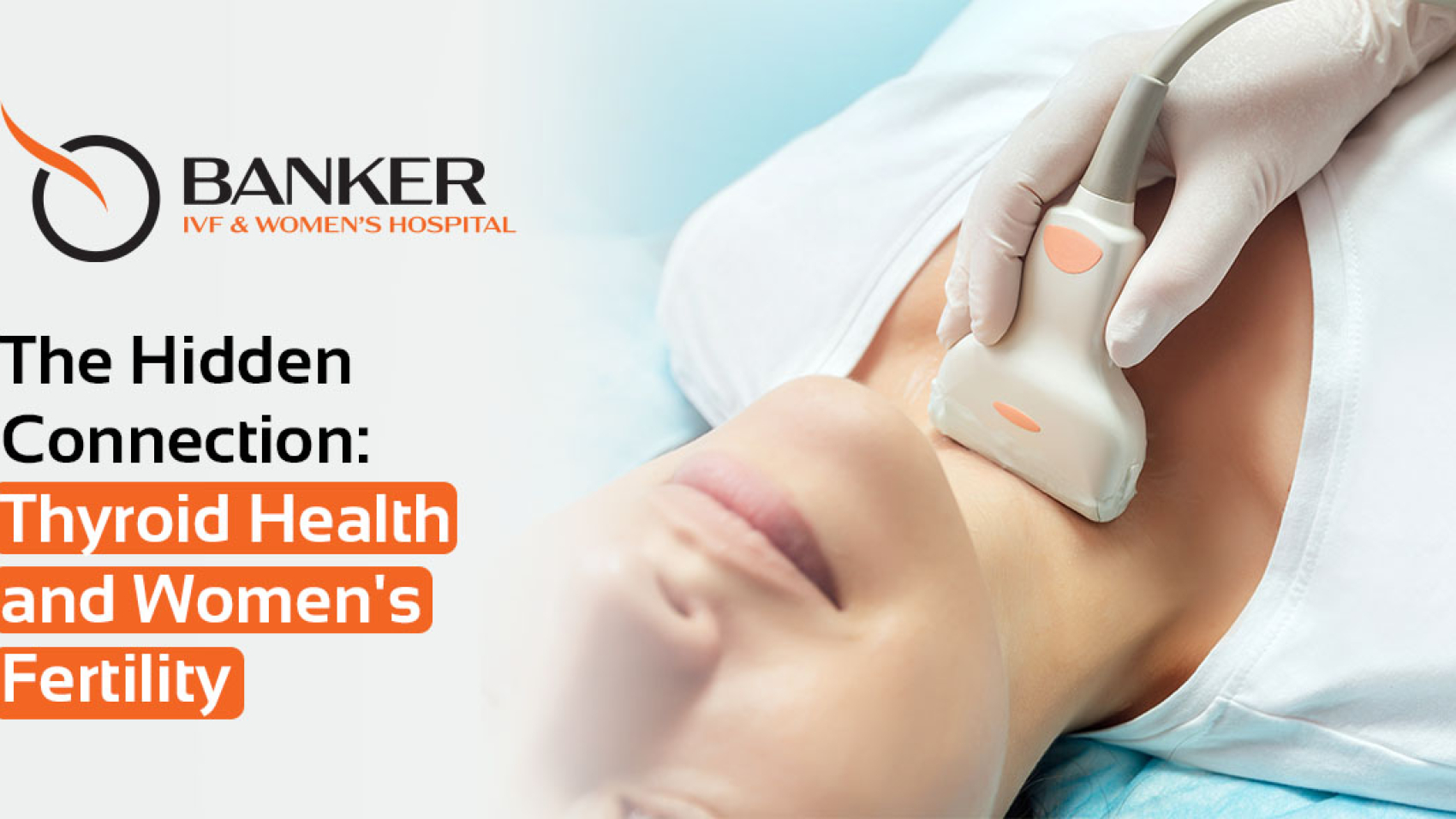
IVF Myths

IVF Myths Busted: What You Need to Know

IVF (In Vitro Fertilization) is one of the most popular fertility treatments that have allowed countless couples and individuals to fulfil their dreams of parenthood. Even with its increasing acceptance and success, numerous misconceptions still prevail, making the understanding of this process démodé. These myths not only augment confusion but also, in various cases, create unnecessary fear and inhibition among interested couples. This article sets out to clarify the commonly held myths about IVF and provide informative, factual information to enable individuals and families to make well-formed decisions.
IVF Is Just for a Few Women with Fertility Problems

One of the most common myths about IVF is that a woman is only considered when there is a problem with her fertility. The lie is much more complicated than that. Usually, IVF administered to treat an obstructed fallopian tube or ovulation disorder, is also of great help to couples where the male partner faces fertility problems, as in the case of abnormal sperm counts or motility. It happens to be known that male infertility accounts for nearly 40-50% of infertility cases. Besides, same-sex couples, single parents, or those who are postponing the same by freezing their eggs for later use rely mainly on IVF.

IVF is not merely a treatment of women but a more comprehensive solution that offers doctors the ability to assist both men and women with a wide variety of fertility challenges, making it a more viable option in many differing types of family-building scenarios.

IVF Myths: It always results in multiple births

The opinion that IVF for sure leads to twins, triplets, or higher orders is deeply rooted in the very early days of IVF when multiple embryos were commonly transferred to increase the chances of pregnancy success. Although this view has somewhat changed today, amalgamation of methods still tends to this day. Today, it is common for clinics to approach elective single embryo transfer (eSET) where only one embryo is often transferred at a go, mainly for younger women or in women thought to have a good prognosis. Such a policy helps to reduce the chance of multiple births but successfully maintains relatively high success rates.

The aim of IVF is the health of pregnant women and babies, and by transferring fewer embryos, complications from multiple births associated with premature delivery and low birth weight are reduced significantly. Couples may discuss options with a fertility specialist to ensure that they make the best decision for their circumstances.

Additional Read – IVF vs. IUI: Understanding the Right Choice for You

IVF Is Only for Younger Women

A common assumption is that IVF is only effective for younger women, and older women have little chance of success with the treatment. While it’s true that fertility declines with age, IVF can still be a viable option for many women in their late 30s and early 40s. Age does affect egg quality and quantity, but IVF offers various solutions, including the use of donor eggs, which can significantly improve the chances of success for older women.

Moreover, many women opt to freeze their eggs at a younger age, preserving their fertility for the future. This option allows women to undergo IVF later in life using their younger, healthier eggs. Infertility treatment has advanced significantly, and IVF misconceptions, like the idea that it’s only for younger women, should not hold anyone back. Fertility clinics offer individualised treatment plans based on a woman’s specific needs and reproductive health, ensuring that age is not always a limiting factor in pursuing IVF.

fertility treatment

IVF Increases the Risk of Cancer

Some fear that the hormonal treatments used in IVF increase the risk of cancer, particularly breast or ovarian cancer. However, extensive research has shown no definitive link between IVF and an increased risk of cancer. The hormones used during IVF mimic those naturally produced by the body, and while they temporarily elevate hormone levels, studies have found no conclusive evidence that they contribute to long-term health risks, including cancer.

For those considering infertility treatment at an IVF centre in Ahmedabad, it’s crucial to know that patients undergoing IVF are closely monitored by their healthcare team. This ensures the treatment is both safe and effective, debunking common IVF misconceptions around health risks.

IVF Is a Quick Fix

IVF is often misunderstood as a “quick fix” for infertility, when in reality, it’s a process that requires patience, both emotionally and physically. A complete IVF cycle involves several stages, including ovarian stimulation, egg retrieval, fertilization, and embryo transfer. The process may take weeks, and it doesn’t always result in pregnancy on the first attempt.

It’s also worth noting that IVF can be emotionally taxing. The highs and lows of the treatment process, combined with the anticipation of the outcome, can be challenging for many couples. Emotional support, either through counselling or support groups, is crucial for navigating the complexities of IVF. Couples who are prepared for the journey, with realistic expectations and a support network in place, often find the process more manageable.

IVF Babies Are Less Healthy

Some people worry that babies conceived through IVF are less healthy or more prone to genetic issues. In truth, babies born through IVF treatment, including those at an IVF centre in Ahmedabad, are just as healthy as those conceived naturally. IVF provides an additional benefit of allowing genetic screening (PGS/PGD) of embryos before transfer, which can help detect certain genetic conditions and increase the chances of a healthy baby. 

Addressing common IVF misconceptions, the process also gives parents the chance to choose embryos with the best potential for success, leading to healthy pregnancies and outcomes. Many successful infertility treatments result in full-term, healthy babies who grow up just like any other child.

Conclusion

IVF is a big step toward parenthood; however, it is crucial to go into the procedure as an informed patient. Dispel the common misconceptions so that couples are free to minimize their panic and feel empowered with their choices. Remember that IVF does not work for everyone; each family has its own unique journey, laden with hope and possibilities. And you do not have to do it alone. With Banker IVF, one of the leading IVF centres in Ahmedabad we will help you every step of the way. If you are having problems related to infertility treatments then feel free to consult our experts. We are happy to guide you with care, compassion, and expertise to make your motherhood dream come true. Let’s walk this road together.

IVF vs IUI

IVF vs. IUI: Understanding the Right Choice for You

Fertility treatments, such as IVF- In Vitro Fertilization and IUI- Intrauterine Insemination, really make starting a family when things aren’t exactly going according to plan a bit easier. However, in either case, which of these better suits you? No worries; we have you covered! We are going to elaborate on IVF and IUI in simple words so you may grasp the distinction between them, success rates, costs, and benefits. By learning about the differences, such as IVF success rates, you can make a more informed and confident decision about which path is right for you, whether you’re just starting out or considering your next step.

IVF vs. IUI: What is IVF?

IVF may seem intricate at first glance, so let’s go through the process step by step. In its simplest terms, IVF (In Vitro Fertilization) is when the eggs are extracted from the ovaries and then fertilized with sperm in a laboratory, and once the embryo has formed, that embryo is replaced in the uterus with the hope of achieving pregnancy. IVF success rates vary depending on age and other factors, but it remains one of the most effective fertility treatments available. Let’s take a look at the process:

  • Ovarian stimulation
    Medications are given to stimulate and make your ovaries produce more eggs than usual.
  • Egg retrieval
    Once matured, a small procedure is performed to collect the eggs from the ovaries.
  • Fertilization
    The eggs will be combined with sperm in a laboratory in order to create embryos.
  • Embryo transfer
    A few days later, after embryo culture, one healthy embryo will be transferred to your uterus.
  • Pregnancy Test
    About two weeks later, you will take a pregnancy test to determine whether the treatment was successful.

IVF vs. IUI: What Is IUI?

IUI is a simpler process compared to IVF. It involves placing sperm directly into the uterus around the time of ovulation, giving it a better chance to meet the egg. Here’s how it works:

  • Ovulation Monitoring
    Your doctor will reflectively monitor your ovulation cycle by cycle to discuss with you when you are ovulating.
  • Sperm Collection
    The sperm sample will be taken and prepared for the insemination of the uterus. Compared to IVF, IUI cost in Ahmedabad is generally more affordable, making it a more accessible option for couples.
  • Insemination
    The sperm will be gently placed through a thin tube into your uterus.
  • Pregnancy Test
    Like IVF, you will be taking a test after two weeks to see if there is a pregnancy.

IVF vs. IUI: Insights from the best IVF Centre in Ahmedabad

Let’s look to compare the two.

  • Invasiveness
    IVF is entangled and requires multiple steps. For example, with IVF, the first step is taking medication to stimulate the ovaries; the second step is egg retrieval in a compliant manner -we will retrieve the eggs- and then there is embryo transfer. With IUI, we are able to do a much quicker procedure because we are only having the semen sample prepared for insemination.
  • Success Rates
    When considering IVF success rates, IVF typically has higher success rates, especially for women under 35 years of age. Success rates are currently around 40-50% per cycle for IVF compared to around 10-20% success per cycle for IUI.
  • Cost in Ahmedabad
    The IUI cost in Ahmedabad tends to be more affordable than IVF.

contact us

Who Should Consider IUI?

If one of the following describes you, IUI could be a great choice:

  • You have unexplained infertility (the practitioner did not find a diagnosis)
  • You have mild male infertility (the sperm count or movement is close to normal).
  • You are a same sex couple or a single woman who would like to use donor sperm.

Who Should Consider IVF?

If one of the following describes you, IVF may be a better option:

  • You have blocked fallopian tubes or moderate to severe endometriosis.
  • If you have any other complications (such as severe male infertility) that prevent natural conception.
  • You have attempted IUI several times with no success.

Conducted fertility treatment comparison, it is pertinent for patients requiring advanced fertility treatment for complex fertility issues to consider that IVF success rates are higher than IUI. Additionally, the IUI cost in Ahmedabad is lower and is more pocket-friendly than IVF, though it may be less favourable for patients requiring advanced evaluation and more extensive fertility treatment.

How do I Make a Decision Between IVF vs. IUI?

If you’re thinking about IUI or IVF, you may want to consider factors such as the following:

  • What is the cause of infertility?
    If infertility is due to something mild, such as ovulation or mild sperm with few abnormalities, IUI may work. If there are more concerns, then IVF may have a better chance of succeeding.
  • How many treatment cycles are you willing to attempt?
    Some couples may choose to initially try IUI, fully aware they may need to try several times, while others prefer to go straight to IVF for quicker results.
  • What budget are you comfortable with?
    IVF is expensive, but typically has a better success rate. If cost is an issue, perhaps it is better to try IUI instead, especially when considering IUI cost in Ahmedabad which can be more affordable compared to IVF.

Which Treatment is Best for You?

Choosing between IVF and IUI relies on a multitude of factors, such as infertility causes, age, medical history, and cost. Here are some important questions to think about when choosing the treatment option that is best for your family-building journey:

  • What is the cause of your infertility?

Understanding the specific cause of infertility is an important part of making the decision. If part of the infertility involves ovulation, mild sperm issues, or unexplained infertility, IUI may be a reasonable first choice. Conversely, if more complicated issues are present, such as blocked fallopian tubes or significant sperm issues, it may make more sense to choose IVF, which has potentially higher IVF success rates.

  • How many cycles of treatment do you want to attempt?

    Some couples want to start with an easier (less invasive) and more affordable treatment with IUI and brace themselves for multiple cycles of IUI treatment if needed.  On the other hand, some couples may consider IVF early on, particularly if they want the best chance of conception sooner rather than later, as highlighted in various fertility treatment comparison studies.

  • Is the cost of treatments an issue for you?

    In some cases, financial considerations can be a major factor in deciding what treatment route. In fact, financial issues could be a major factor in selecting a treatment strategy. If financial issues are the clear deciding factor and the fertility issues are not too severe, IUI is probably the most reasonable first step.Then again, some couples, trying unsuccessfully for several years, may decide on IVF because they feel the extra expense is worth it ( or at least peeve more about the chances of treatment working).

  • What is your Age?

    Lastly, Age is an important factor in infertility treatments. If a woman is younger than 35 and does have significant fertility issues, IUI treatments may be effective. Consider ” younger” than 35. However, typically, for women older than 35 or with a more significant issue, IVF is more efficient since the success rates essentially increase with that modality and embryos can be screened.

Conclusion

Choosing between IVF and IUI is a deeply personal decision that depends on a variety of factors. Both treatments offer hope to those facing infertility, but understanding the key differences can help you make an informed choice. Fertility treatment comparison is crucial to consider when evaluating your options. IVF success rates are typically higher, especially for more complex fertility issues, though the treatment is more invasive and expensive. On the other hand, IUI is less invasive and more affordable but may require several cycles to achieve success.

Before making a decision, it’s essential to consult with a fertility specialist who can assess your situation and guide you toward the most appropriate treatment for your circumstances. Remember, every fertility journey is unique, and finding the right path for you is what truly matters.

At Banker IVF, we recognize that the fertility treatment avenue is not an easy one. Please know that our compassionate knowledgeable specialists can help you! If you have any questions or require some advice about fertility treatment, please reach out!  We are happy to assist!

Epilepsy and Fertility

Epilepsy and Fertility: Key Challenges and Tips for Planning

Epilepsy affects millions of people worldwide. Being a neurological disorder characterized by recurrent seizures, epilepsy, in itself, carries a host of challenges; on the other hand, it has considerable interests in fertility and family planning. Family planning is a very uncertain journey, with many risks involved, which needs consideration and planning by patients with epilepsy. Epilepsy and Fertility: This blog attempts to detail how epilepsy and fertility are a part of the latticework structure, making it complex and risky, and an important way ahead to surmount this complex path.

Understanding Epilepsy and Its Impact on Fertility

Epilepsy is a condition that presents itself in a unique form in every person, taking on a wide-ranging spectrum of severity, frequency, and type of seizures. That variability extends to its impact on fertility, given that the kind of epilepsy one is affected with, the drugs controlling seizures, and general health might influence it. The nature of fertility-related issues is considerably different between the sexes, although each has its unique challenges.

Epilepsy impairs fertility in women by several mechanisms. The hormonal imbalances, so very common among women with epilepsy, may bring about irregular menstruation or may cause anovulation. That increases hormonal conflict, furthering some kinds of seizures. Moreover, antiepileptic drugs (AEDs) may have side effects that impact reproductive health either by a direct impact on levels of hormones or through interactions with other medications used, for example, oral contraceptives, which further result in reduced action.

Male fertility may be compromised as well by epilepsy. In men, reproductive hormones may be upset by seizures, particularly those involving the hypothalamus. This may result in a lack of sexual drive, impotence, or low sperm count. In addition, some types of AEDs hinder the motility and morphology of sperm, thus aggravating the problem.

In men, the effect of AED on fertility is less significant but is still relevant. For instance, drugs such as carbamazepine and valproate have been said to reduce sperm count and motility, which in turn may hinder easy conception. Apart from this, some AEDs may cause sexual dysfunction hence complicating the ability to start a family.

fertility treatment


Pregnancy Planning and Management for Women with Epilepsy

Properly planned and managed pregnancy in women with epilepsy is crucial for maintaining the health of both mother and child. This should be prepared through the giving of preconception counselling that includes a review of overall health, seizure control, and current medications. Through such counselling, one will identify potential hazards and avail an individual plan to minimize those risks.

One major concern in pregnant women is that seizures often present a life-threatening and feticidal risk. Pregnant women are at a greater risk of having dangerous seizures that may cause a miscarriage, premature labour, or fatality to the fetus. Hence, seizure control is taken top consideration. However, it must be balanced with respect to minimizing the risk of teratogenic potential or other adverse events related to AEDs. This may require alterations of the type, dose, or combination of medicines to discover those that are most beneficial and safe.

Generally, lifestyle changes in combination with medication management will help lower seizures during pregnancy. This may involve proper rest, stress management or staying away from known seizure triggers in preparation for delivery. Prenatal care is also necessary as this allows the monitoring of the health status of both the mother and the child during the course of her pregnancy.

Bonus Read – 10 Common Women’s Health Concerns

Fertility Preservation and Assisted Reproductive Technologies

Potential alternative forms of conception for patients who encounter major challenges in the natural process because of their epilepsy could lie in fertility preservation and ART. Preservation of fertility, such as banking sperm or freezing eggs, would be quite helpful should fertility be in the line of jeopardy either due to the disease under treatment or as a result of treatments administered for it.

Pregnancy in epilepsy women can be managed using certain assisted reproductive technologies (ART), including in vitro fertilization and intracytoplasmic sperm injection. The use of ART in this population must, however, be carefully weighed. For example, certain ART procedures are associated with some increment in the risks of epilepsy in an individual. For instance, IVF involves the induction of ovulation in women using hormonal treatment, and this treatment may trigger seizures in some conditions. Therefore, ART must be carried out with the active involvement of a specialist who is aware of the peculiarities concerning the needs of epilepsy patients.

Psychosocial Considerations

Epilepsy inflicts a considerable psychological and social effect on fertility and family planning, and as such should not be easily mitigated. The urge to procreate is strong, but in the case of an epilepsy patient, is often held back by fear and uncertainty. Worrying about the possibility of seizures or medications harming the baby, the possibility of transmitting epilepsy to offspring, and the general challenges of raising children within the context of a chronic condition may all coalesce to present significant anxiety and stress.

In addition to this, societal attitudes and misinformation about epilepsy can put something burdensome upon his sense of isolation and insecurity, fearing that he may be judged for his reproductive choice. Psychological and social pitfalls require the attention of supportive counselling and the provision of education to the individual and his partner. Accurate information regarding risks and options available, together with emotional support, may mitigate some of the anxiety and uncertainty that generally accompanies family planning relative to epilepsy.

Genetic Considerations and Inheritance

In some instances epilepsy is heritable; this fact concerns young patients because they need to start a family. In case heritage is a cause of epilepsy there is a low risk of transmitting the illness to offspring. Given some kinds of epilepsy, which have a clear-cut genetic basis, the risk increases. Genetic counseling is one important thing that a couple getting babies should consider because it makes them understand the risks and therefore make important choices in the field of reproduction.

This is the case with those who have a strong family history of epilepsy or other genetic illness. Genetic testing has been helpful in assessing the risks an individual has and mapping this out in family planning. Not all types of epilepsy have a known genetic cause, and a parent with epilepsy does not necessarily pass it on to their child.

Navigating Parenthood with Epilepsy

Parenting is one of the hardest jobs out there, and a life with epilepsy brings even more challenges. An example is when one has to plan accordingly in order to have a routine and enough time to take care of the child, for instance in the face of one’s children’s development. Also, they may need to have security measures installed so that if they sieged an attack, someone else would be there for the child in case of need, among other measures.

Supporting the parents in maintaining their good health and well-being certainly plays a big role, since stress, sleep deprivation, and all the challenges of parenting may trigger potential seizures in parents with epilepsy. The strong social network that comprises family, friends, and healthcare providers will ensure that epilepsy will pose no barrier to raising their child.

Bonus Read – Top 5 IVF Hospitals in India: Why Banker IVF is the Best

Conclusions: Choices of Empowerment and Planning

The interplay of epilepsy and fertility can be intricate, so transitions between changes, challenges, and risks in a family building can be acquired with success through planning and information. This is accomplished through the important steps of pre-conception counseling, careful management of medications, extending into changes in lifestyle, and for some, the practice of considering an appropriate place for assisted reproductive technologies within that schema.

What is equally important is dealing with the psychological and social aspects of epilepsy and fertility, making it so that the affected do not feel alone and their fears assuaged. By being proactive in family planning while working closely with their healthcare provider, an individual can fulfill their reproductive goals while mitigating risks and optimising their health and the health of future offspring.

In the end, the path to parenthood for individuals with epilepsy may be somewhat more challenging but by no means undoable. With the right guidance and support, they can make informed decisions that will lead to fulfilling and successful outcomes for themselves and their families.

Hormonal Imbalances and Fertility

Hormonal Imbalances and Fertility: What You Need to Know

Hormonal fluctuations play a huge role in fertility, although it is usually misunderstood. Your hormones dictate each step in the process of reproduction and can have huge effects on your ability to become pregnant. If these hormone levels are therefore not balanced, then it becomes a bit difficult to conceive. This blog will explore the causes, effects, and solutions related to hormonal imbalances and fertility, offering a comprehensive guide to what you need to know.

Understanding Hormonal Imbalances

Hormones are those chemical substances that transfer information through the blood to maintain various body activities, like growth, metabolism, and reproduction. Regarding fertility, there are a couple that stand out:

Estrogen and Progesterone

These are the two primary female sex hormones responsible for controlling the menstrual cycle, ovulation, and maintaining pregnancy.

Follicle-Stimulating Hormone and Luteinizing Hormone

These pituitary hormones control ovulation through the maintenance of egg development and its maturation in the ovary. They also cause estrogen and progesterone release.

Testosterone

More commonly considered a male hormone, testosterone is also present in women and is responsible for their sex drive, bone health, and musculature.

Thyroid Hormones

Thyroid Hormones control the metabolism. Abnormalities in these often result in alterations in menstrual cycles and, consequently, in fertility.

Prolactin

A hormone produced by the pituitary gland is responsible for lactation after pregnancy. An increase in prolactin in non-pregnant females may lead to anovulation.

When hormonal imbalances occur, the hormones make the body’s reproductive system out of balance and, hence, do not work well. Thus, there are problems with fertility.

Causes of Hormonal Imbalances

Alternatively, in case of an imbalance, there are a number of factors that can cause hormonal imbalances. This condition is common in both men and women. Among the primary causes include:

Abnormalities

Polycystic ovary syndrome is characterized by disturbances in ovulation due to a very common hormonal imbalance in women. The cycle is off, leading to irregular menstruation.

Thyroid Disorders

Both an overactive thyroid (hyperthyroidism) and an underactive thyroid (hypothyroidism) can cause irregular periods, maybe even fertility problems.

Chronic Stress

It causes high cortisol levels, which disrupt the balance of hormones within the hormonal system and therefore affect reproductive health.

Obesity

Overproduction of body fat leads to an overproduction of estrogen; this, therefore, tampers with the fine balance of hormones necessary for ovulation.

Poor Diet

An under or over-nutritious diet affects the production and regulation of hormones in the body, causing an imbalance that affects fertility.

Age

A woman’s hormones decline as she ages, which also decreases fertility. This is very apparent at the age of 35 when the number and quality of eggs already decreased.

Medications

Several medications, including hormonal contraceptives, can alter the hormonal balance and have a temporary or long-term effect on fertility.

Chronic Health Conditions

Other chronic health conditions, such as diabetes, autoimmune disease, and disorders of the adrenal system, can create hormonal imbalances that impact fertility.

Symptoms of Hormonal Imbalances

Hormonal imbalances have a wide array of symptoms and may be potentially disturbing to reproductive health. Some of the main symptoms are as follows:

Irregular Menstruation

One of the most overt signs of a hormonal imbalance is an erratic menstrual period. It could be either a delay in menstruation or skipping cycles altogether.

Weight Gain

Sudden weight gain, particularly in the midsection of the body, is a sign of hormonal imbalance, particularly when combined with other symptoms such as fatigue and mood swings.

Acne and Greasy Skin

Androgens are a group of male hormones that are present equally in men and women. They produce an excess amount of oil in the skin, which can lead to acne around the jaw and chin area.

Hair loss, or excessive hair growth

Hormonal imbalances are attributed as a cause of thinning of hair on the scalp or excessive hair growth on the face, chest, or back.

Mood swings and depression

Hormonal imbalance greatly influences how we feel. Imbalance can bring about excessive anxiety, depression, and moodiness.

Low libido

This has been usually attributed to either low levels of estrogen, testosterone, or any other hormones that regulate libido.

Effects of Hormonal Imbalances on Fertility

The issue of hormonal imbalances and fertility is one of great complexity since hormones determine the menstrual cycle, the process of ovulation, and, in fact, the proper functioning of the entire reproductive cycle; therefore, when at least one of the hormones gets out of step, a woman can find it extremely difficult to conceive.

Ovulation Issues

Hormonal imbalances can block ovulation, which refers to the release of an egg from an ovary. When ovulation is blocked, then clearly a woman can’t get pregnant. For instance, in PCOS, where there are many androgens, an excess might lead to a lack of ovulation, or anovulation.

Luteal Phase Defect

This is actually the second half of the menstrual cycle, starting from ovulation to the beginning of menstruation. Hormonal imbalances can sometimes result in a luteal phase defect, where inadequate uterine lining develops in the body, therefore making it unfavourable for an embryo to be implanted and grow.

Endometrial Lining Problems

The endometrium lining must support the embryo in the implantation phase and during the pregnancy. Hormonal imbalance, such as a thin endometrium lining, might lower the possibility of a natural pregnancy from taking place.

Miscarriage Risk

Hormonal imbalances tend to increase the risk of miscarriage associated with pregnancy, especially in the early stages.

Diagnosis of Hormonal Imbalance

Seek a medical prescription if you suspect a hormonal imbalance that might be interfering with your fertility. Diagnosing the presence of hormonal imbalance usually becomes a combination of a medical history review, physical examination, and laboratory tests like:

Hormone Level Tests

Some of the key hormones—FSH, LH, estrogen, progesterone, and even thyroid hormones—can be detected from a blood test. The test is usually done in the phases of the menstrual cycle to give adequacy in the results.

Ultrasound

An ultrasound on the ovaries and uterus helps inspect for PCOS or other conditions and abnormalities that may be affecting hormone levels.

Thyroid Function Tests

A special blood test to measure thyroid hormone levels may be done if a thyroid disorder is suspected.

Saliva Tests

In some cases, hormone level tests, especially cortisol adrenals, are done using saliva.

Basal Body Temperature Charting

Assists in tracking the basal body temperature. In this manner, information is provided regarding whether or not ovulation is taking place and, if yes, what the frequency of ovulation is. Knowledge about hormonal balance is gained through this process.

Treatment Box for Hormonal Imbalances

Treatment of hormonal imbalances is mostly by lifestyle changes, drug means, and in apocalyptic conditions, surgical procedures. The treatment plan to follow may depend on the underlying cause and the effect on fertility. A few of the common treatments are:

Lifestyle Changes

Diet

By having a well-balanced diet, high in whole foods and healthy fats and low in refined sugars, hormone production and regulation will be taken care of.

Exercise

Keeping a moderate weight and relieving the body of stress is very essential in hormonal balance.

Stress Management

Low stress levels in the body; may involve meditative activities, such as yoga and mindfulness.

Medications

Hormonal Birth Control

For women not intending to have a baby, the hormonal control of birth can help regulate the menstrual cycle and reduce the symptoms of hormonal imbalance.

Thyroid Medications

If a thyroid disorder is causing this imbalance, drugs that regulate the thyroid hormone level can be prescribed.

Insulin-Sensitizing Drugs

Another class of drugs is insulin-sensitizing medications, which act to improve the insulin sensitivity of a woman with PCOS and, therefore, are used to regulate hormone levels.

Surgical Management

In cases where lifestyle changes and medications do not work, surgery may become an option. One such technique is ovarian drilling, which is used for women with PCOS to decrease androgen levels and trigger ovulation.

Assisted Reproductive Technologies (ART)

In such situations, where infertility is caused by hormonal imbalance, ART like in-vitro fertilization may be the answer for couples. With the help of these technologies, problems caused by hormonal imbalances can be coped with, allowing for successful conception.

Conclusion

Hormonal imbalance may be one of the major problems in trying to conceive among women, but knowing the causes, symptoms, and options for treatment could give a person an idea of how to take better care of her reproductive health. When there is a hormonal imbalance, conceiving and achieving a healthy pregnancy might become easier by using a multidisciplinary approach to balance the medical treatment, lifestyle, and holistic approaches.

Always remember that everybody is different from another; hence, what works for one may not work for the other. You need to have a lot of patience and persistence, along with readying yourself to explore all avenues open to you in finding correct solutions pertaining to hormonal and fertility issues.

Navigating fertility challenges can be overwhelming, but you’re not alone. If you’re facing difficulties in conceiving, seeking expert guidance can make all the difference. At Banker IVF, we’re here to offer the compassionate care and advanced solutions you need to start or expand your family. Our experienced team is dedicated to supporting you every step of the way.

Schedule a consultation with us today, and let’s work together on your journey to parenthood. Your path to a new beginning starts here at Banker IVF.

Ovarian and Antral Follicles

How Do Ovarian and Antral Follicles Impact Your Ability to Conceive?

Many factors play a crucial role in the fertility aspect of a woman. The health and function of ovarian and antral follicles are critical aspects of a woman’s fertility. Inside a woman’s body, the monthly cycles and fertility determination of all the reproductive processes are represented by these tiny structures found in the ovaries. This blog post discusses the roles of ovarian and antral follicles in fertility and the impact these have on how likely a woman will be able to conceive.

What Are Antral Follicles?

Antral follicles are a certain type or group of follicles within the ovary, which is at a specific stage of development. In a physical description, they present as tiny, fluid-filled sacs that can be visualized through an ultrasound, ranging in size from 2 to 10 millimetres. The generally accepted term used to describe the number of antral follicles during a menstrual cycle is the Antral Follicle Count.

The AFC is a sensitive marker of ovarian reserve, which is the capacity of the ovaries in a woman to give eggs of good quality. A high number of AFC often indicates a good ovarian reserve and is highly correlated with high chances of conception. In contrast, if the AFC number is low, that itself may signify low ovarian reserve/lower fertility compared to a person with a high number of AFC.

Hormonal Control of Development of Follicles

Ovarian and antral follicle maturation is a tightly controlled process that is reliant upon the interaction of a wide range of hormones. The key hormones involved in this process are follicle-stimulating hormone (FSH) and luteinizing hormone (LH). These are both secreted from the anterior pituitary gland. 

The Role of Ovarian Follicles in Fertility

Fertility in women is directly associated with the state and number of ovarian follicles they possess. A woman with more numbers of healthy ovarian follicles is at better odds of releasing a viable egg at ovulation and the likelihood of becoming pregnant increases.

The ovarian reserve refers to the number and quality of ovarian follicles a woman carries, which decreases with time, hence giving the reason why fertility also decreases with age. This explains why it becomes more difficult for women to conceive, based on the fact that women in their late 30s and 40s may find it difficult to conceive. However, the explanation for the above concepts is quite valid, noting that each woman has a different ovarian reserve; thus, age is one determinant of these concepts, among others.

The Importance of Antral Follicle Count (AFC)

Antral Follicle Count is a valuable tool used by fertility specialists in assessing a woman’s ovarian reserve. This fertility assessment involves a simple ultrasound, counting the number of Antral Follicles in the ovaries, which shows the ovarian reserve. The antral follicle ultrasound can provide an estimate of a woman’s fertility potential as well as guide decisions on the need for fertility treatment.

High AFC usually correlates with high ovarian reserve—a woman is more likely than not to receive positive results from fertility treatment, such as in vitro fertilization. If the AFC is low, exactly the opposite may be true, and a low ovarian reserve is very probably indicative of a struggle to conceive, both by natural means and with treatment.

It’s understood that AFC is not the sole contributor to fertility. Other factors include the quality of eggs, the health of the uterus and fallopian tubes, and the proper hormonal balance of a person.

Factors Affecting Ovarian and Antral Follicle Health

There are several factors that can influence ovarian and antral follicle health and thus impact a woman’s fertility status. Some of these factors can be controlled by a woman, whereas others cannot. A woman must be aware of these factors to make informed choices concerning her reproductive health.

1. Age

As was mentioned earlier, the health of the follicles does significantly vary with age. Typically, the number and vitality of ovarian follicles begin to rise much more significantly in women when they reach 35 years of age. This is a major explanation as to why so many women investigate avenues to maintain fertility, such as egg freezing, at a younger age.

2. Imbalance of Hormones

PCOS is a disorder of hormonal imbalance that creates problems in follicular development, while thyroid disorders may also result in irregular menstrual cycles due to an impact on the hypothalamic-pituitary-ovarian axis. For example, in PCOS, the ovaries may produce an overabundance of small follicles, but none grow large enough to ovulate, which prevents regular menstrual bleeding and creates infertility.

3. Lifestyle Factors

Lifestyle, food habits, and exercise do affect the health of the follicles to a significant extent. A balanced diet with necessary nutrients and lifestyle changes that include exercising daily and giving up on smoking and alcohol can support healthy follicles.

4. Stress

Chronic stress can upset the hormone balance that needs to be maintained for healthy follicle growth and ovulation. Effective stress management, which may include practising mindfulness and meditation, and adequate physical activity, helps in proper reproductive health support to be maintained.

5. Medical Conditions

Some of the other medical conditions include endometriosis, and autoimmune conditions, among others, and they likely impact the ovaries and therefore follicle health. However, women with such conditions must receive specialized fertility treatment for them to conceive.

Ways to Optimize Follicle Health and Fertility

Despite the mentioned factors that can affect follicle health, other possible ones can be controlled by a woman. They include:

1. Good Diet

A diet rich in antioxidants, vitamins, and minerals will generally support the health of the eggs and the follicles. For a healthy reproductive system, omega-3 fatty acids and leafy greens, berries, and whole grains are recommended.

Useful Resource for this: – 51 Natural Ways to Boost AMH Levels for Better Fertility

2. Regular Exercise

Light and moderate exercises sustain good blood supply to the ovaries, help in hormonal balance, and reduce stress, all very useful for the development of the follicle. Heavy exercises, on the other hand, may act in an antagonistic way to AI, so a balance is required in this approach as well.

3. Stress Reduction

Stress reduction activities must be included in daily schedules, as they support hormonal balance and healthy ovulation. Activities like yoga, meditation, and deep breathing exercises would be very fruitful techniques to sequester stress.

4. Regular Health Check-ups

Depending on a health professional will keep an eye on the reproductive system while identifying any problem at its onset stage. Failure to approach the appropriate specialist, for instance, when a woman has an irregular menstrual cycle, consistent hormonal imbalance, or other related problems in conceiving, should approach a physician for correct advice to get over the problem at the early stage.

5. Fertility Drugs

Assisted sexual reproduction is most suitable for women with low ovarian reserve or having other fertility challenges. Such treatments mostly employ hormone therapy to stimulate the ovaries, where the levels of hormones are adequate to increase the number of mature follicles that can later enable fertilization.

Conclusion

Ovarian and antral follicles are important components in the conception process of a woman. Healthy follicles in the right quantity and responsiveness to hormonal signals are determinants in the overall reproductive process. While there are many strategies to maintain ovarian health and enhance fertility, age and specific medical conditions will affect the health of the follicles.

By first understanding the ovarian and antral follicles, you are in the first step to being in control of your reproductive life. By making informed lifestyle choices and seeking appropriate medical care, you will maximize opportunities for conception and reaching your fertility goals – today and in the future when you plan to have a baby. 

Remember, every woman’s fertility journey is unique. At Banker IVF, our experts are here to provide personalized guidance tailored to your needs. By consulting with us, you’ll receive the best information and recommendations to support your path to parenthood. Our team is dedicated to offering peace of mind and helping you every step of the way.

Intracytoplasmic Sperm Injection technique

Intracytoplasmic Sperm Injection (ICSI): How This Advanced IVF Technique Can Help You Conceive Faster

To most people, infertility becomes an emotional roller-coaster ride with tests running into infinity and questions galore. One of the areas of development in assisted reproductive technology that has been able to give hope to so many couples is Intracytoplasmic Sperm Injection or ICSI. Whether you’re just starting out on the path of fertility treatments or have been travelling for years, it’s always important to know how ICSI works and how it can help you get pregnant.

What is Intracytoplasmic Sperm Injection (ICSI)?

Intracytoplasmic sperm injection, commonly known by its acronym, ICSI, is an enhanced form of IVF. With ICSI, a single sperm is directly injected into an egg to achieve fertilization. While in traditional IVF, the sperm is allowed to naturally fertilize with the egg in the petri dish; with ICSI, this process is manually enhanced.

Who Can Benefit from ICSI?

ICSI can, however, be particularly helpful in certain kinds of infertility challenges that couples may face, including:

(1) Male Factor Infertility

A man with a low count of sperms, poor motility of sperms, or abnormal morphology of sperms will benefit from ICSI. It provides a direct method of fertilizing the egg despite these sperm-related challenges.

(2) Previous Failures with IVF

If conventional IVF has not led to successful fertilization before, ICSI can be a viable alternative.

(3) Sperm problems

ICSI can also be used in cases where the man has had a vasectomy or has conditions such as azoospermia, which refers to no sperm in the ejaculate. Sperm is surgically retrieved; then, using ICSI, it is injected directly into the egg.

Bonus Read: – Sperm Cramps: Causes, Symptoms, Diagnosis, and Prevention

Understanding the ICSI Process

Let’s break it down, step by step:

(1) Ovarian Stimulation

The process initiates just like conventional IVF, where first the female partner is induced with ovarian stimulation. The woman is given medications in the form of hormones to promote the ovaries to produce multiple eggs.

(2) Egg retrieval

Once the eggs are matured, through a minor surgical procedure called egg retrieval or follicular aspiration, these eggs are retrieved. This is usually guided through ultrasound to ensure accuracy but at the same time inflict minimal discomfort.

(3) Sperm Collection

The semen is collected from the male partner, either through ejaculation in most cases or surgically in cases of severe male factor infertility.

(4) Sperm Selection

This is one of the most critical steps of ICSI—in the selection of the healthiest and most viable sperm. This step has a direct impact on the success of fertilization.

(5) Sperm Injection

Only a single sperm is then injected into the egg cytoplasm using a fine needle. Since this is very delicate work, it requires loads of experience to do it without damaging the egg.

(6) Fertilization and Embryo Development

After injection, the egg is checked for fertilization. If it has occurred, the resulting embryos are grown in the laboratory for a few more days before being transferred into the uterus.

(7) Embryo Transfer

The final process is transferring one or more embryos into the female partner’s uterus. If implantation occurs, this may result in a successful pregnancy.

Success Rates and Considerations

ICSI has certainly revolutionized the treatment of male infertility and has greatly enhanced the conception potential of many couples. However, it must be recalled that success rates vary from case to case because of several factors:

(1) Female Partner’s age

As is the case with all fertility treatments, a woman’s age is also a factor when it concerns the success of ICSI. The younger woman has healthier eggs, which usually goes on to make sure that ICSI processes at this age are more successful.

(2) Sperm Quality

Even though ICSI can bypass most male infertility issues, the quality of the sperm still has to be taken into consideration since poor-quality sperm can result in poorer success rates.

The quality of the embryo that is formed in the course of ICSI also contributes to the chances of a successful pregnancy. High-quality embryos will have better chances of implantation and growth into a healthy pregnancy.

(3) Health Conditions

Any health conditions at the time, such as abnormalities of the uterus or hormonal imbalance, can affect the success rate of ICSI.

Emotional and Psychological Support During ICSI

Undergoing fertility treatment, just like ICSI, can be an emotional experience. In this context, couples should build a support network comprising friends, family, or professional experts that can help them navigate through the turbulence of emotions that might occur during the process. Counselling can help in reducing the stress and emotional fluctuation involved in fertility treatment.

The Role of Lifestyle in ICSI Success

ICSI is a very efficient medical treatment. However, it also depends on several lifestyle factors. There are numerous factors that both partners can work on individually to increase their chances of success in the treatment. These methods include a healthy diet in which a balanced diet that includes plenty of fresh fruits, vegetables, lean protein sources, and whole grains can contribute towards better health and fertility. 

(1) Regular Exercise

A moderate level of exercise contributes to a stable body mass, which contributes to fertility in men as much as in women. However, excessive exercise tends to be rather adverse for fertility.

(2) Avoid Toxins

Environmental toxins, pesticides, chemicals, and their like do damage to sperm and egg quality. This means avoiding cigarettes, drinking alcohol in limited amounts, and using medications carefully.

(3) Stress Management

Huge levels of stress can cause very adverse effects on fertility, so it is important to seek effective management of stress. This will include yoga, meditation, and mindfulness, among others.

Future Directions

With advancements in reproductive medicine, the future is bright and continues to evolve the ICSI process to refinement and perfection. In the near future, genetic screening, better techniques of sperm selection, and highly customized treatment protocols are emerging with better results for couples facing infertility.

Is ICSI the Right Choice for You?

Whether one opts for ICSI, he or she has to do so under the consultation of a fertility specialist. It involves open and honest discussion with a healthcare provider about your case in particular: for example, underlying medical conditions and previous fertility treatments pursued, if any, together with personal preferences.

Though there are clear advantages to using ICSI, treatment is never one-size-fits-all. Some couples may be able to achieve success through less invasive treatments, while others may need to consider other options such as donor eggs or sperm, surrogacy, or even adoption.

Conclusion

For many couples, ICSI has been the very key that turns one’s dream of parenthood into reality. Occupying a frontier in present-day fertility treatment, it is a procedure capable of surmounting even the most severe male-factor infertility and other challenges related to reproduction.

If you’re trying for ICSI, then you should first educate yourself and build support while working closely with your healthcare team in order to attain the greatest chances of success for your case. As complex and uncertain as one’s journey may be, the potential rewards are immeasurable: the opportunity to hold your child in your arms and actually feel what it is like to be a parent.

What Next?

If you are now ready to think more seriously about ICSI, then an initial consultation with a fertility specialist will be the proper next step. They would then be able to give you a full fertility assessment, talk through all the available treatment options with you, and guide you through treatment with compassion and professionalism.

At Banker IVF, we understand the emotional journey of infertility. With more than 65 years of combined experience, we will guide you at every step. We have state-of-the-art laboratories and advanced facilities with a known medical team who will treat you with the highest level of care. We believe in providing personalized treatment in IVF, IUI,  and Intracytoplasmic Sperm Injection so that you finally get to be parents. Do not wait any further; make the first step toward the reclaiming of comfort and quality of life by contacting Banker IVF today.

51 Natural Ways to Boost AMH Levels for Better Fertility

51 Natural Ways to Boost AMH Levels for Better Fertility

For so many women today in their attempt at becoming pregnant, anti-Müllerian hormone (AMH) levels have served as a powerful indicator of ovarian reserve and fertility potential. Although AMH declines with age, there are numerous lifestyle changes and natural ways to promote the healthiest levels of AMH and complete reproductive well-being. Given the above verdict and realization, Banker IVF & Women’s Hospital commits itself to arming women with evidence-based information in the pursuit of fertility optimization. Here are 51 ways to elevate your AMH levels, coupled with natural fertility boosters:

Maintaining Vaginal Health Post-Sex

Maintaining Vaginal Health Post-Sex

At Banker IVF & Women’s Hospital, we’re committed to supporting women’s health at every stage of life. While sexual intimacy can be an important part of overall wellbeing, it’s crucial to take proper care of your vaginal health after sexual activity. In this blog post, we’ll explore evidence-based tips for maintaining vaginal health post-sex, helping you feel your best and prevent potential issues.

10 Common Women's Health Concerns

10 Common Women’s Health Concerns

At Banker IVF & Women’s Hospital, we’re committed to supporting women’s health at every stage of life. While sexual intimacy can be an important part of overall wellbeing, it’s crucial to take proper care of your vaginal health after sexual activity. In this blog post, we’ll explore evidence-based tips for maintaining vaginal health post-sex, helping you feel your best and prevent potential issues.

Is Ovary Size Important to Get Pregnant

Is Ovary Size Important to Get Pregnant?

Today, we are going to talk about something probably not really on most people’s radar, yet something that might really contribute toward a person becoming a parent: the size of the ovaries. Here at Banker IVF & Women’s Hospital, we never know what questions we may get from many types of parameters that seem to affect fertility, and ovary size happens to be one of them. Now, go ahead, have a cup of tea or coffee, and let’s dive right into the question of whether the size of your ovaries really affects if you will be able to get pregnant or not.

Sexually Transmitted Infections (STIs) Types, Symptoms, Causes, Treatment & Preventions

Sexually Transmitted Infections (STIs): Types, Symptoms, Causes, Treatment & Preventions

Sexually Transmitted Infections (STIs), or sexually transmitted diseases (STDs) is a term that everyone has heard about but knows very little. In-depth knowledge about the same is crucial to prevent it. In simple words, these are infections that one can get through sexual contact. Bacteria, viruses, or parasites may cause these infections and affect both men and women. Timely diagnosis and treatments are essential to prevent further complications.
Erectile dysfunction (ED) is the inability to achieve or maintain an erection enough for intercourse. It may be caused by vascular causes, neurological causes, psychiatric disorders, and physical trauma. An individual needs to visit a healthcare professional for a diagnosis and necessary treatment.

Erectile Dysfunction (ED) Causes, Diagnosis & Treatment

Erectile Dysfunction (ED): Causes, Diagnosis & Treatment

It is very important to understand ED, mainly for those who are considering fertility treatment. Let’s understand the causes, diagnosis, and treatment options.

Erectile dysfunction (ED) is the inability to achieve or maintain an erection enough for intercourse. It may be caused by vascular causes, neurological causes, psychiatric disorders, and physical trauma. An individual needs to visit a healthcare professional for a diagnosis and necessary treatment.

Best IVf Doctor in Gujarat in 2024

Best IVF Doctors in Gujarat 2026

Bringing a child into the world is often regarded as one of life’s greatest joys. However, for many couples, the journey to parenthood may be difficult, especially when dealing with infertility. Despite the challenges and uncertainties, there is a ray of hope: the skill and compassion of Gujarat’s best IVF doctors.

15 Foods and Drinks to Avoid During Pregnancy

15 Foods and Drinks to Avoid During Pregnancy

During pregnancy, it’s crucial to make informed choices about what you eat and drink. This article unveils the 15 foods and drinks that should be avoided to promote a healthy pregnancy. By steering clear of these items, you can safeguard the well-being of both you and your baby. Learn about the potential risks associated with certain foods and drinks, such as unpasteurized dairy products, raw seafood, deli meats, caffeine, alcohol, and more. Prioritize your baby’s health by staying informed and making wise dietary decisions throughout your pregnancy journey.

Sperm Cramps Causes, Symptoms, Diagnosis, and Prevention

Sperm Cramps: Causes, Symptoms, Diagnosis, and Prevention

Sperm cramps, or epididymal hypertension, is a common but often misdiagnosed men’s health issue. Sperm cramps can hurt and disrupt sexual and reproductive health in men after orgasm. It may also cause pain during ejaculation. Unfortunately, sperm cramps are often a taboo topic, leading to a lack of awareness and understanding of the condition. In this blog, we will explore the causes, symptoms, diagnosis, and prevention of sperm cramps.

Top IVF hospital in India

Top 5 IVF Hospitals in India: Why Banker IVF is the Best

In the field of assisted reproductive technology (ART), India serves as a ray of hope for a myriad of individuals and couples who experience infertility. In today’s world, it can be challenging to pick the right IVF hospital with so many options out there. In this extensive guide, we will be discussing the best IVF hospitals in India, with a focus on their unique services, expertise, and success stories. From innovative excellence to holistic wellness, these hospitals exemplify compassionate care and cutting-edge technology.

What Is the Legal Age Limit for IVF Treatment in India

What Is the Legal Age Limit for IVF Treatment in India?

In Vitro Fertilization commonly referred to as IVF is one of the leading treatments for couples struggling with infertility. However, there are certain rules and regulations established by the government to ensure the safety of these procedures. There have been recent developments in IVF age-related concerns. This blog provides a thorough understanding of these new regulations and what they mean for you.

Finance Minister Nirmala Sitharaman Unveils Government's Initiatives in the 2024 Interim Budget

Finance Minister Nirmala Sitharaman Unveils Government’s Initiatives in the 2024 Interim Budget: Govt to Focus on Vaccination Against Cervical Cancer

With India contributing nearly a quarter of global cervical cancer deaths, the government’s commitment aligns directly with the National Technical Advisory Group on Immunization’s recommendation for HPV vaccine introduction in universal immunisation. This includes a one-time catch-up for 9-14 year-old adolescent girls.

Recurrent Pregnancy Loss Treatment

Recurrent Pregnancy Loss: Exploring Causes and Treatment Options

Frequent pregnancy loss is a surprisingly common phenomenon. Research on the matter has revealed that nearly 15% of all medically recorded pregnancies end in failure. Recurrent Pregnancy Loss or RPL is a term that is used to define a condition wherein a repeated miscarriage occurs or someone experiences three or more pregnancy losses before reaching 20 weeks from their last period. It’s a challenging situation for those hoping to have a baby.

Post-Image-1-637x348

7 Ways to Deal With Depression and Anxiety in College

You could not have thought that joining college will be such a game-changer. After all, in high school you didn’t have to balance your academics with social life, sharing a room with total strangers, feeling free, or being so far from home. College life is hard and stressful, and many students fall into depression. There are ways to deal with this. Read on to find out how you can overcome it.

Reasons Why College Students Suffer from Depression and Anxiety in College

You will feel that you have a lot on your plate. You fear that you might disappoint your parents or guardians with your performance because the tuition fees are not in any way cheap.

Other worries that can make your life even harder include making it to class on time, having to contribute to class discussions, or the concern about getting a job after school. Is this happening to you already? It doesn’t stop there. Social and peer pressure doesn’t spare you. You want to have fun, party hard, meet new people, experience new things and the list is endless.

How to Know You Are Falling Into Depression and Anxiety

With all the things you are juggling, depression and anxiety might start to kick in. If you are experiencing the following symptoms, you might be depressed.

  • The world doesn’t interest you anymore.
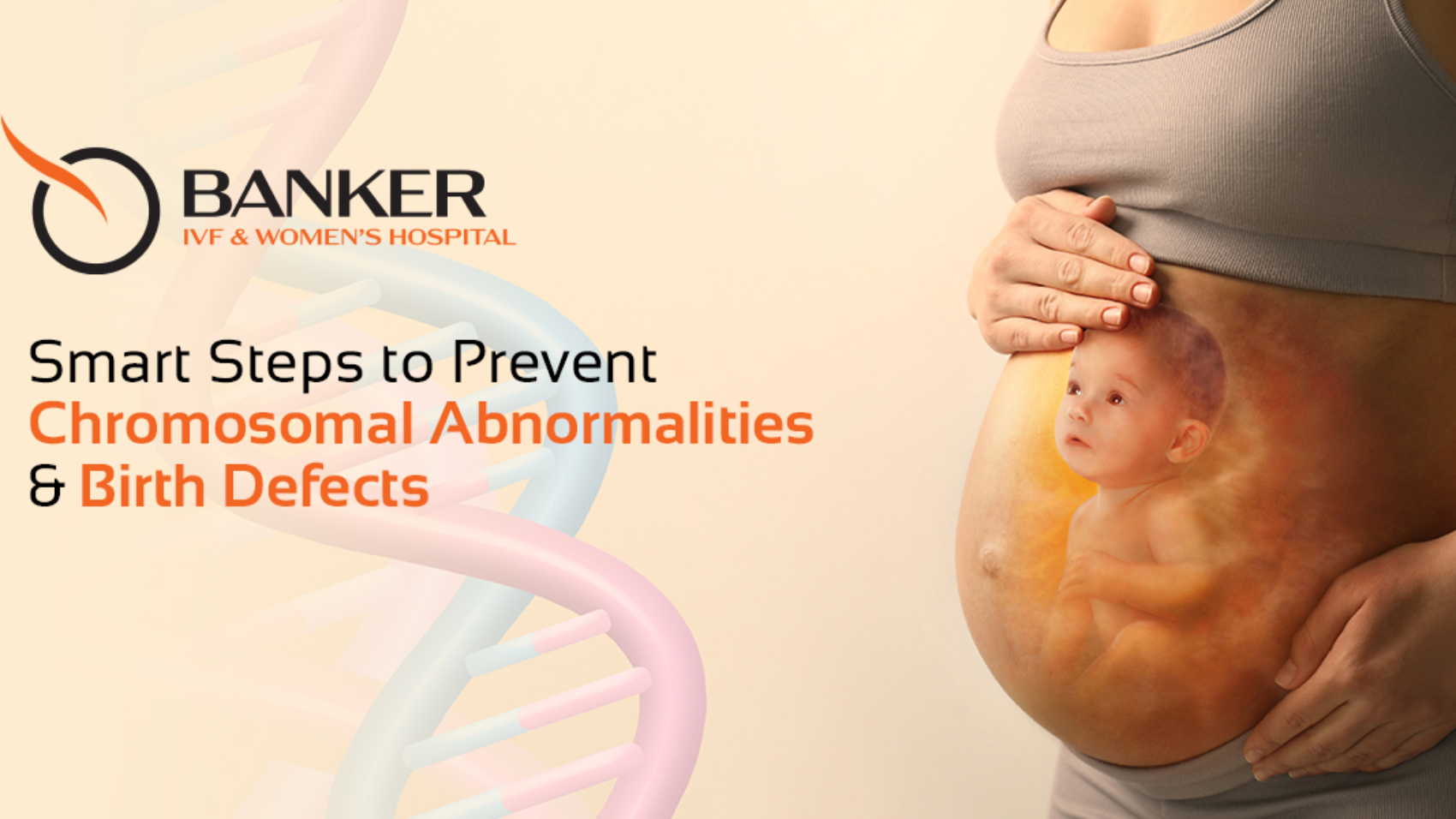
  • You have trouble remembering simple things and focusing in class
  • Your appetite has changed.
  • You feel guilty for something you don’t know and even start experiencing suicidal thoughts.
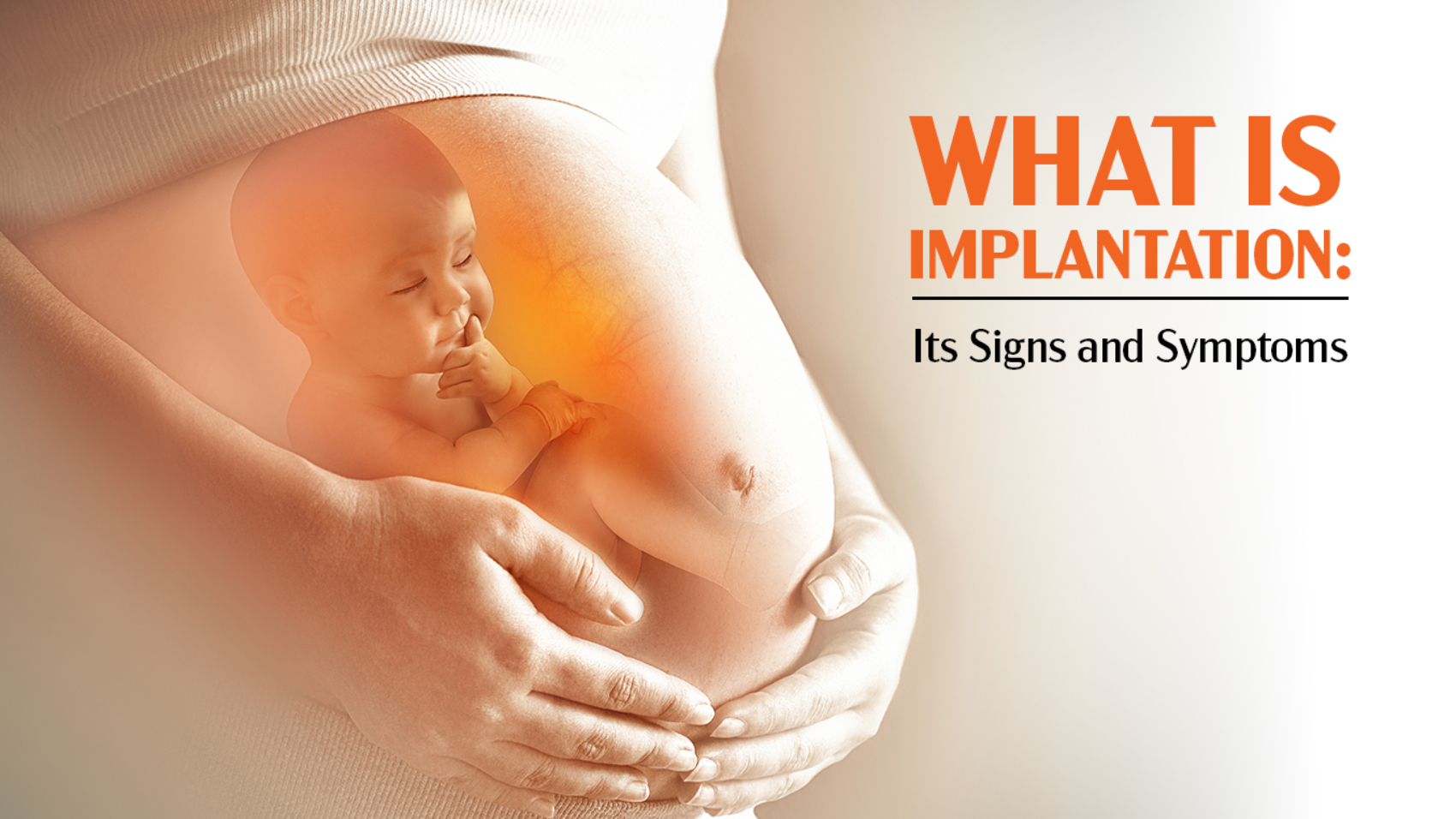
  • You most probably lack sleep at night or remain in bed all day.
  • You don’t have to go through this silently!

How to Deal with Depression and Anxiety in College 

To get through this phase of your life here are 7 ways to take control of your life in college again and deal with depression and anxiety head-on:

1. Ask for Help

Okay, you are feeling gloomy and in a dark tunnel with no possibility of light at its end. You might even feel like the world has lost its color. You do not have to deal with all this alone. It is time to seek professional help. Get into psychotherapy. Do not be embarrassed to approach your school’s mental health counselor for assistance.

Talking to them about your issues will help you identify the factors of your depression symptoms and how to rise above them. You shouldn’t wait for the problem to get worse. The earlier you get started with your treatment, the better. You will even be surprised that you’re not the first student to battle depression and you will make out of it just fine.

2. Join a Support Group

Make a point of joining groups of other students who are battling with depression and anxiety. Listening to their experiences and the steps they are taking to recover might be what you need to learn to deal with your situation.

You will also need to seek the support of your family and friends. They know you better; thus regularly sharing your feelings with them shouldn’t be hard. They will listen and offer you the encouragement that you need. Having a support system goes a long way in overcoming depression.

There is strength in accepting that you have a problem and wanting to solve it is the most significant achievement. You are not perfect. Forgive yourself and treat yourself with kindness when you make mistakes.